

Why Do Leaves Change Color?
Have you ever walked outside in fall and noticed the leaves turning yellow, orange, or red? You might have wondered, “Why do leaves change color?” At first, it seems like magic. One day, leaves are bright green, and a few weeks later, they transform into a rainbow of colors. However, the answer is rooted in science, not magic. This blog will explain the process in a simple, fun way that kids can understand. By learning why leaves change color, children can observe trees, learn about nature, and even predict the changing seasons.
Leaves don’t just change colors for fun. They change because the tree is preparing for winter. Every color tells a story about how the tree survives, how the seasons affect plants, and how pigments inside the leaf work together to create beautiful fall colors.
Leaves Are Nature’s Food Factories
Leaves are not just green decorations on trees. They perform one of the most important jobs for plants: making food. In every green leaf, there is a chemical called chlorophyll. Chlorophyll captures sunlight and helps the leaf turn it into food through a process called photosynthesis.
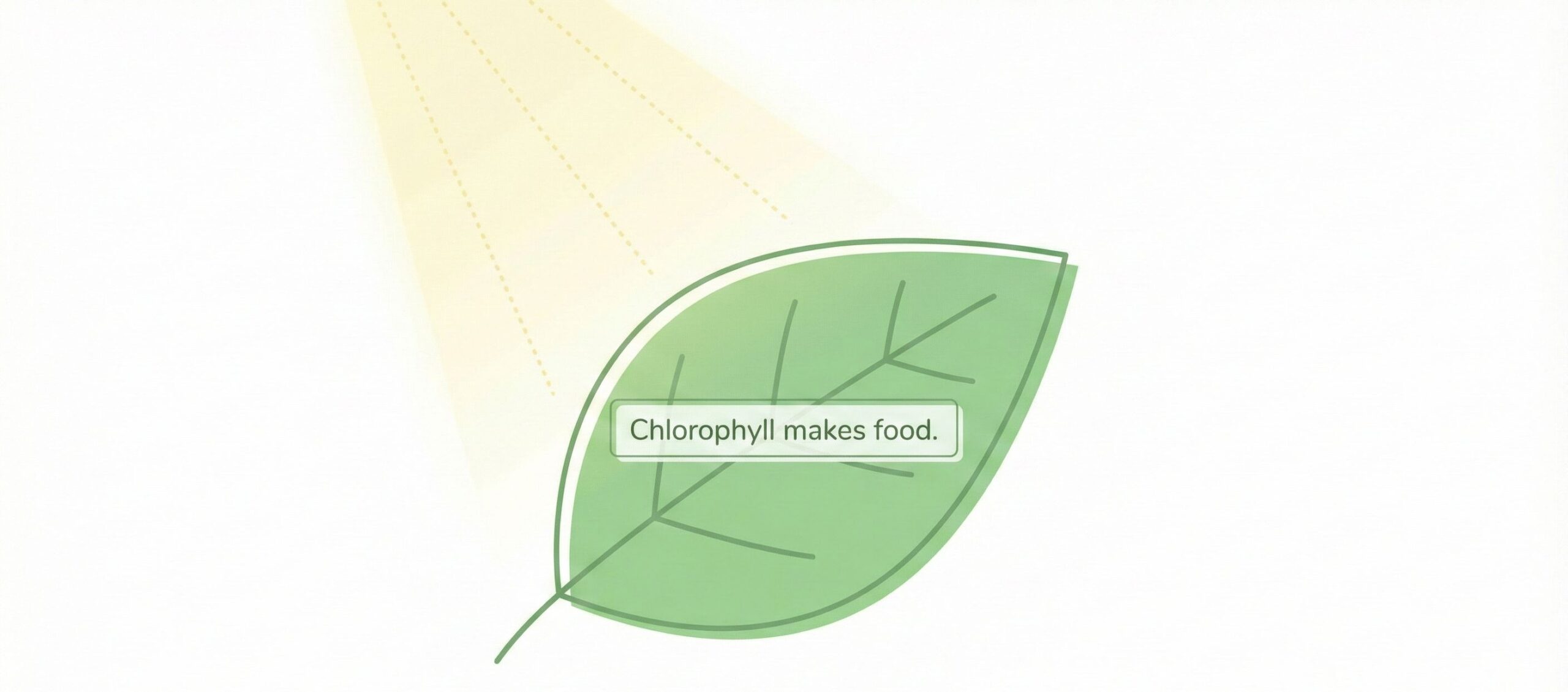
During photosynthesis, leaves take in water from the roots and carbon dioxide from the air. Then, they use sunlight to make sugar. This sugar is food for the tree. Without leaves, a tree cannot survive because it cannot make enough energy.
The Power of Chlorophyll
Chlorophyll is the pigment that makes leaves green. It is like a tiny factory inside the leaf, busy all summer long. As long as chlorophyll is present, the leaf looks green. Chlorophyll also protects the leaf from too much sunlight and helps the tree store energy.
But here’s the interesting part: chlorophyll does not last forever. It begins to break down when the days get shorter and the weather gets cooler. And when chlorophyll fades, that’s when the colorful show of fall begins!
Why Do Leaves Change Color in Fall?
The main reason leaves change color is seasonal changes. When fall arrives, the amount of daylight decreases. Days become shorter, and nights become cooler. These changes signal the tree that winter is coming. Trees then start to prepare by slowing down food production.

Because chlorophyll begins to disappear, the green color fades. Once the green is gone, the other pigments in the leaf become visible. These hidden pigments are responsible for the yellows, oranges, reds, purples, and browns we see in fall.
Fun Fact:
Some trees, like maples, produce extra sugar in the leaves during sunny days of fall. This sugar helps make the red pigment brighter!
Hidden Pigments in Leaves
Even when a leaf looks green, there are other pigments hiding inside it. Once chlorophyll fades, these pigments are revealed.
Yellow and Orange: Carotenoids
Carotenoids are always present in leaves but are usually hidden by green chlorophyll. They are responsible for yellow and orange colors. You can also find carotenoids in carrots, corn, and bananas.
Red and Purple: Anthocyanins
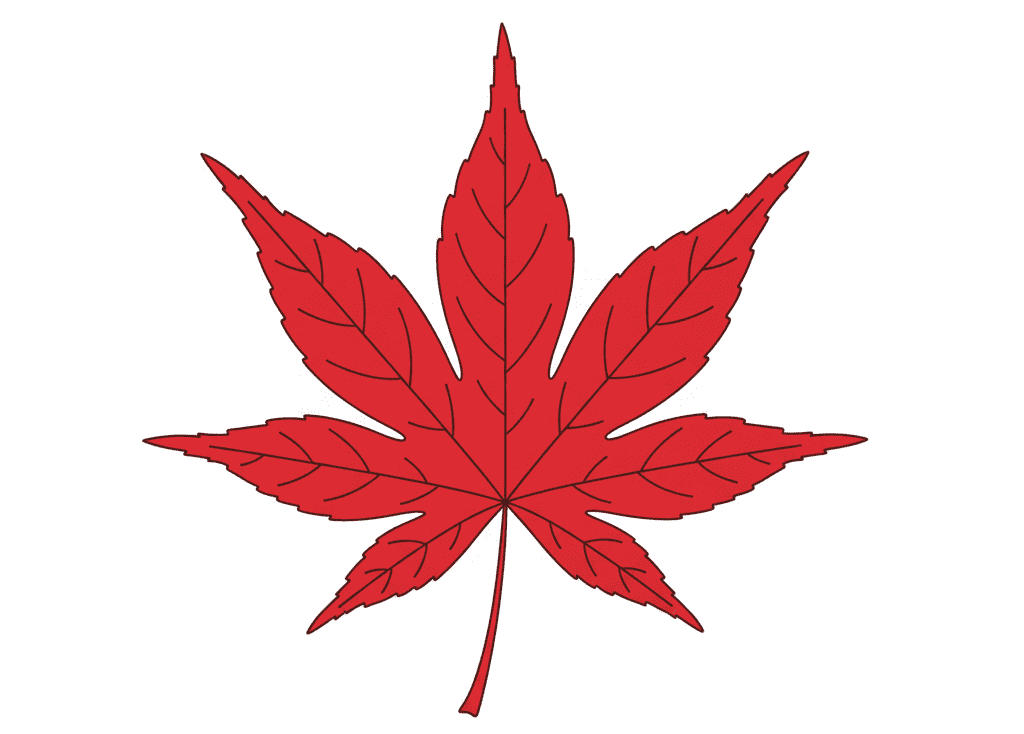
Anthocyanins are different because they are not always present. They form in the leaf during fall. When days are sunny and nights are cool, sugar in the leaf gets trapped. This sugar interacts with sunlight to produce anthocyanins, which create red, pink, and purple colors.
Example: The famous red maple trees are red because of anthocyanins. On sunny fall afternoons, their bright red leaves look like a fire burning across the tree!
Brown: Tannins
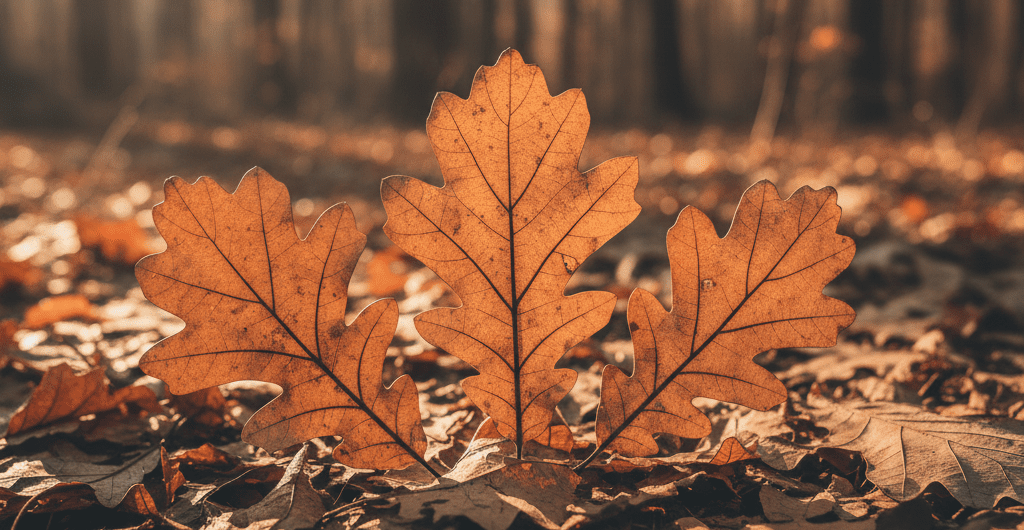
When leaves turn brown, tannins are responsible. Tannins are waste products left in the leaf after all other pigments have faded. They are what make oak leaves brown in late fall. Brown leaves also help trees recycle nutrients. When leaves fall and decompose, they enrich the soil for the next year.
How Weather Affects Leaf Colors
Weather can make a big difference in how colorful leaves appear each fall.
- Warm Days and Cool Nights: Bright sunlight traps sugar in the leaf, producing vivid red and purple colors.
- Cloudy or Rainy Weather: Less sunlight means leaves have less sugar, resulting in duller colors.
- Early Frost: Frost can damage leaves, turning them brown quickly and cutting the color show short.
Fun Fact:
Some years, leaves might not turn very bright at all. This usually happens if the fall is rainy and gray. Nature’s “paintbrush” works differently each year!
Why Trees Drop Their Leaves
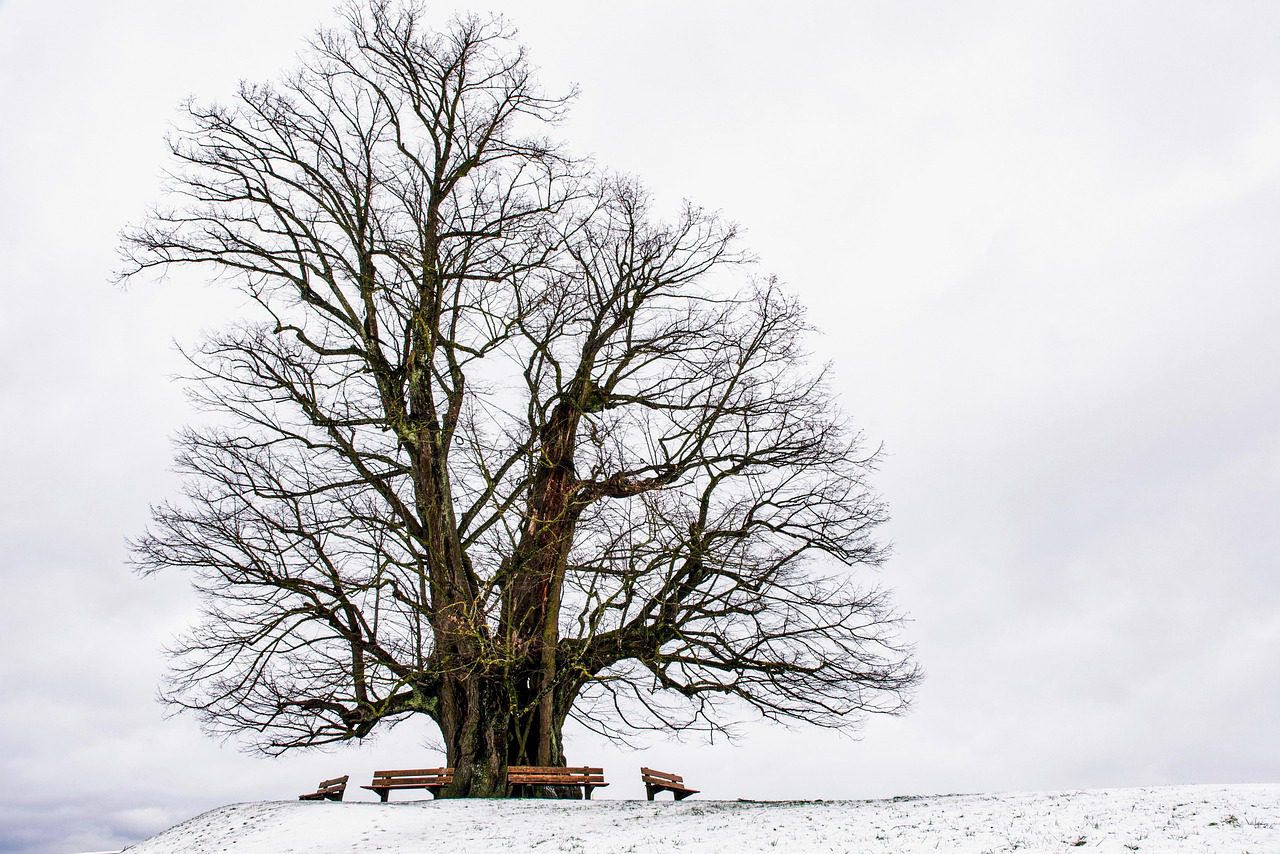
Color change is just the beginning. After turning colors, leaves fall off. This might seem wasteful, but it is vital for tree survival.
- Prepare for Winter: During winter, water in the soil freezes. Trees cannot take up enough water, so dropping leaves helps conserve moisture.
- Protect Branches: Snow can collect on leaves. Heavy snow can break branches. Dropping leaves prevents this damage.
Without leaf drop, trees would struggle to survive the winter. So, when you see colorful leaves falling, you’re actually watching a tree prepare for its long winter rest.
The Life Cycle of a Leaf
Understanding leaf life helps kids see the full story.
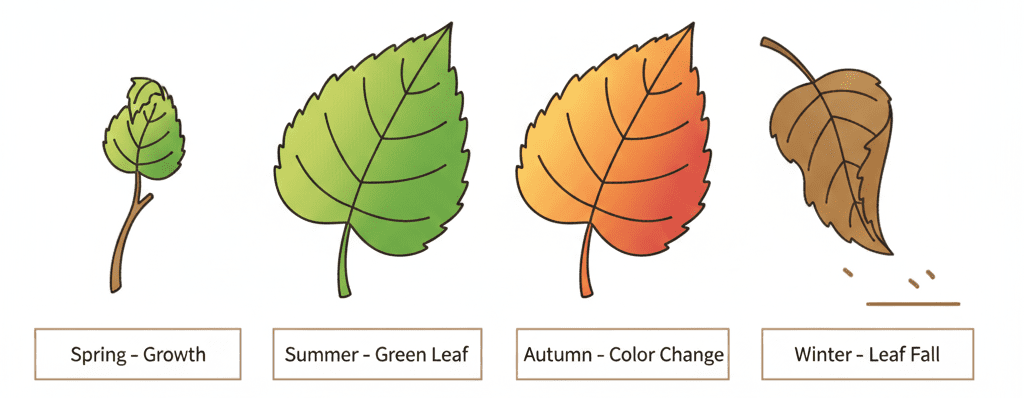
- Spring: Leaves grow and fill with chlorophyll.
- Summer: Leaves make food. The green color is strong.
- Fall/Autumn: Chlorophyll fades. Carotenoids and anthocyanins appear. Leaves turn yellow, orange, red, or purple.
- Winter: Leaves fall. Trees rest until spring returns.
This cycle repeats each year. Trees are like living calendars, showing us the passage of time and the changing seasons through their leaves.
Simple Version for Kids
Here’s an easy way for kids to remember why leaves change color:
- Leaves are green because of chlorophyll.
- Chlorophyll helps leaves make food using sunlight.
- In fall, days shorten. Less sunlight means less chlorophyll.
- Hidden pigments appear:
- Carotenoids: yellow and orange
- Anthocyanins: red and purple
- Tannins: brown
- This is why leaves change color!
Observing this process in your backyard or local park can be exciting and educational. Kids can even collect leaves to compare colors from different trees.
Conclusion: Appreciating Nature’s Colors
Leaves change color because of sunlight, weather, and pigments inside them. Each color tells a story about the tree’s preparation for winter. Watching the leaves change can teach children about nature, science, and the seasons. Fall is nature’s art show, and each leaf contributes to the display.
Understanding why leaves change color helps children connect what they see outside with real science. It encourages them to explore their surroundings, notice patterns, and ask questions about nature. By observing different trees, comparing colors, and even collecting leaves, kids can become little scientists. They learn patience, observation skills, and curiosity while appreciating the beauty of autumn. Learning about leaf colors also helps children understand the cycles of life, the importance of trees, and how plants survive changing weather.
This knowledge can be used in worksheets, handouts, and learning projects, making fall both fun and educational. Next time you see colorful leaves falling, remember there’s science behind every hue and shade. Each leaf is a small teacher, showing the magic of nature in action.