
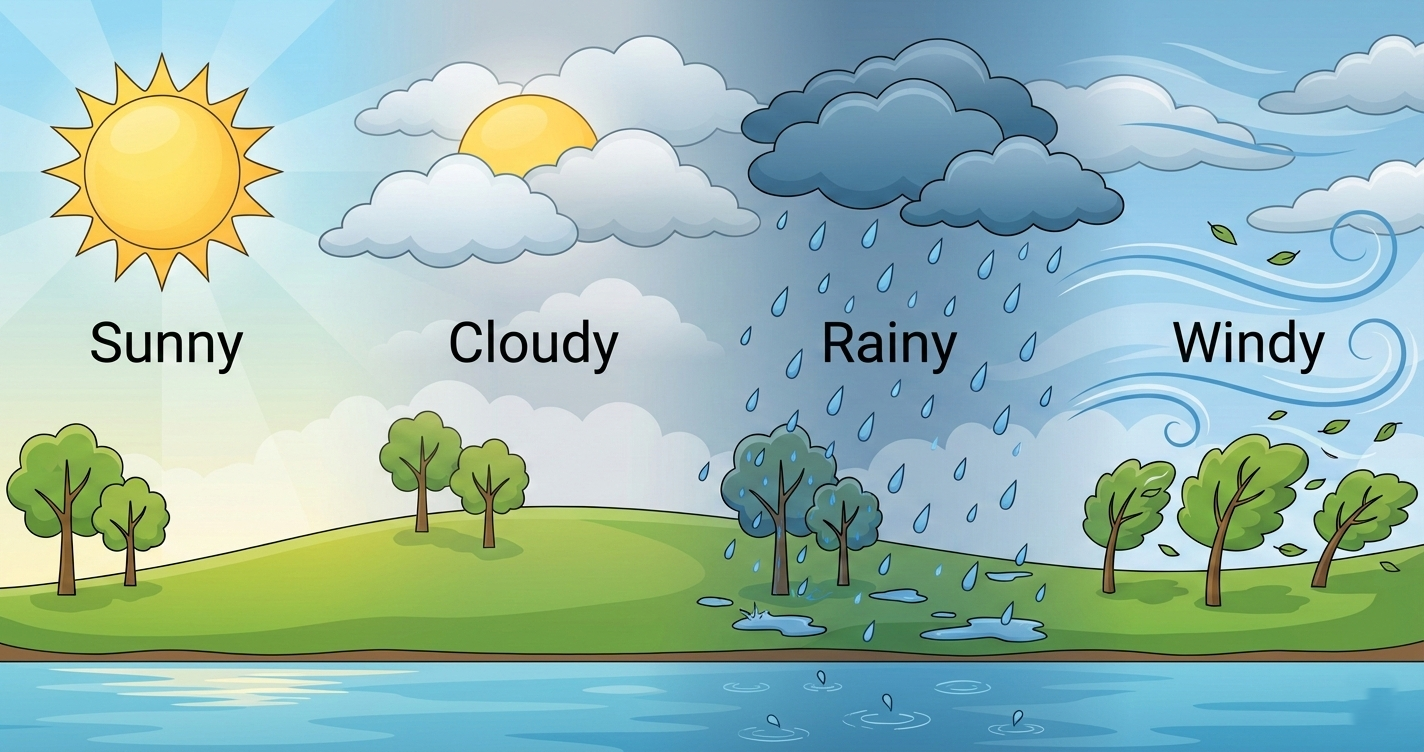
What Is Weather?
Weather describes the condition of the air outside on a given day. It tells us if the day feels sunny, rainy, windy, or cold and changes often. In addition, it affects people, animals, and plants.
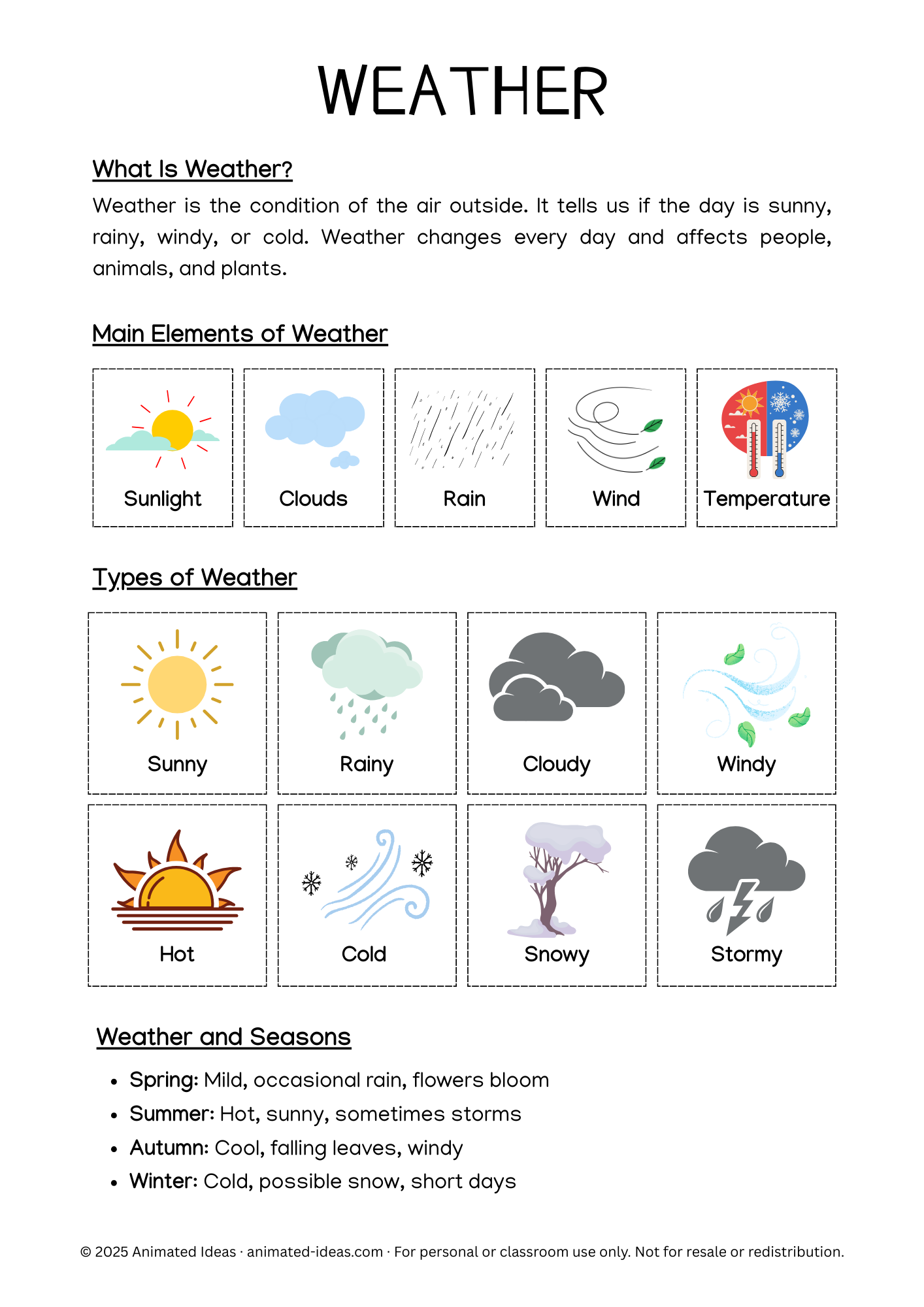
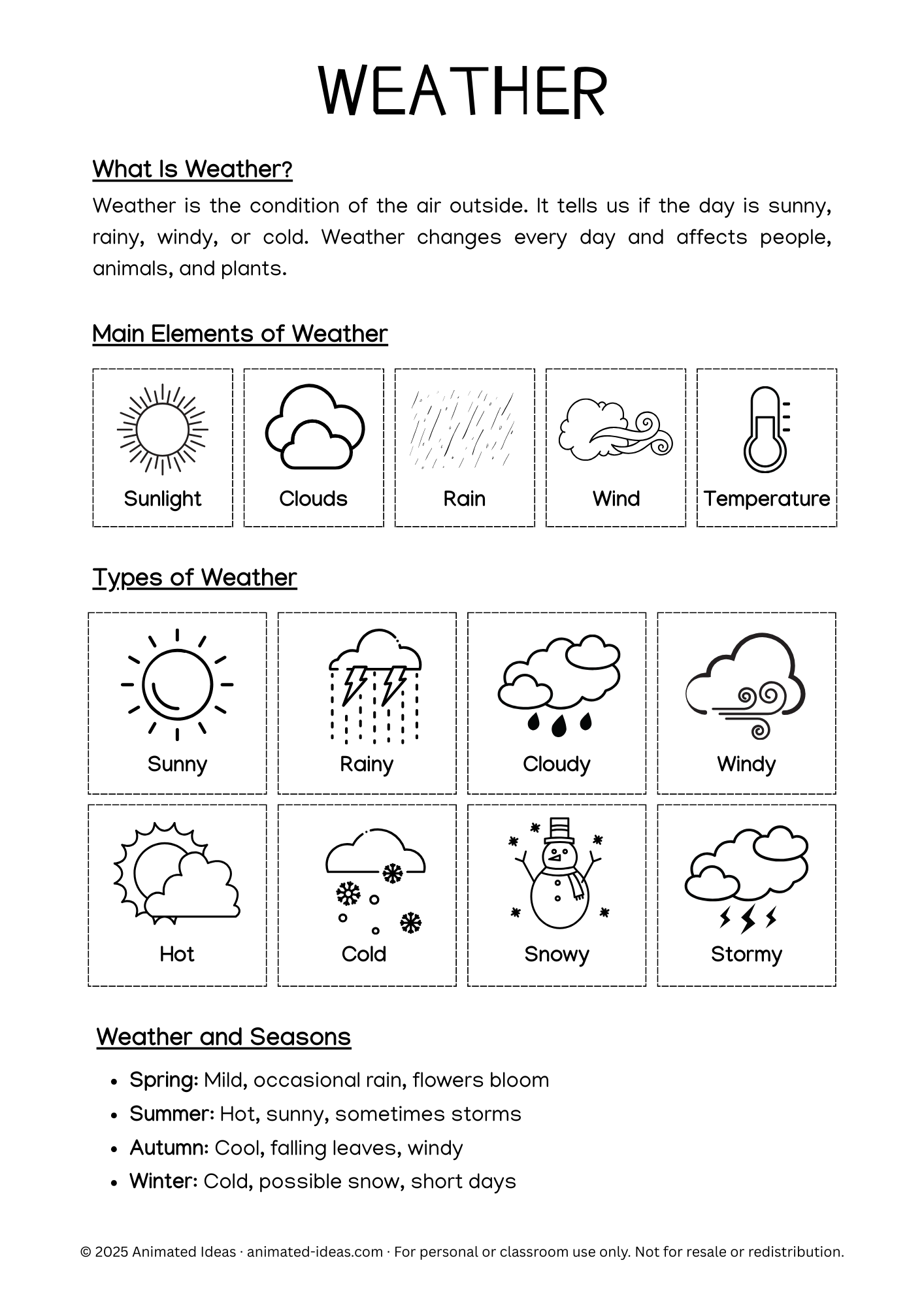
It is made up of many elements. Sunlight, clouds, rain, wind, and temperature all affect what we experience outdoors. Learning about it helps children understand daily life and nature. It is also the first step in understanding how our planet works.
Children notice it every day. For instance, they see the sky, feel the air, and hear the wind. Sometimes, they notice rain falling or the sun shining brightly. By observing these changes, children begin to understand patterns in the world around them.
It also affects the choices people make. For example, people choose clothing based on temperature and rain. Children can see this when they wear jackets on cold days and raincoats when it is wet. Therefore, understanding it is important for safety and comfort.
Download Free Worksheets and Notes

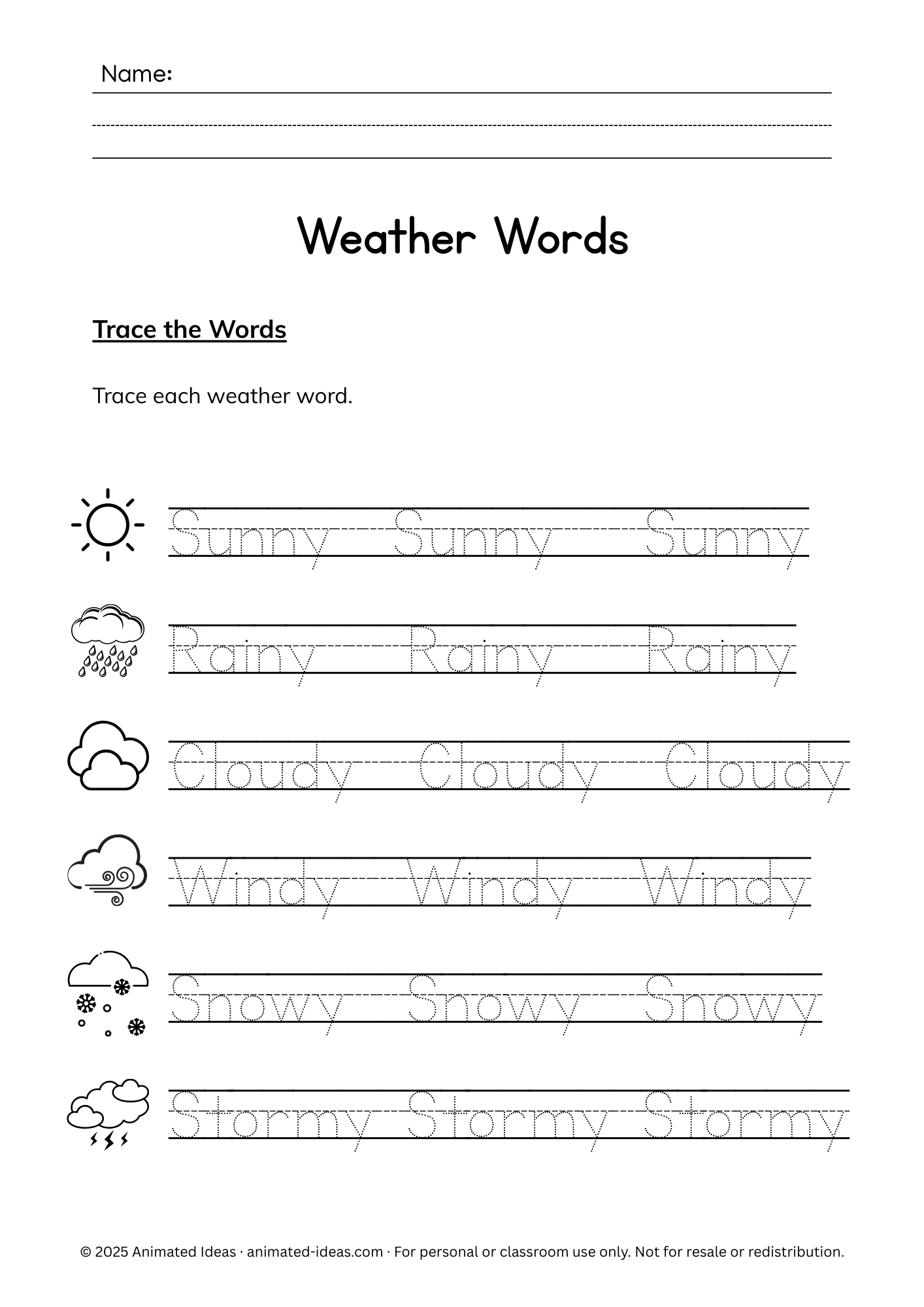
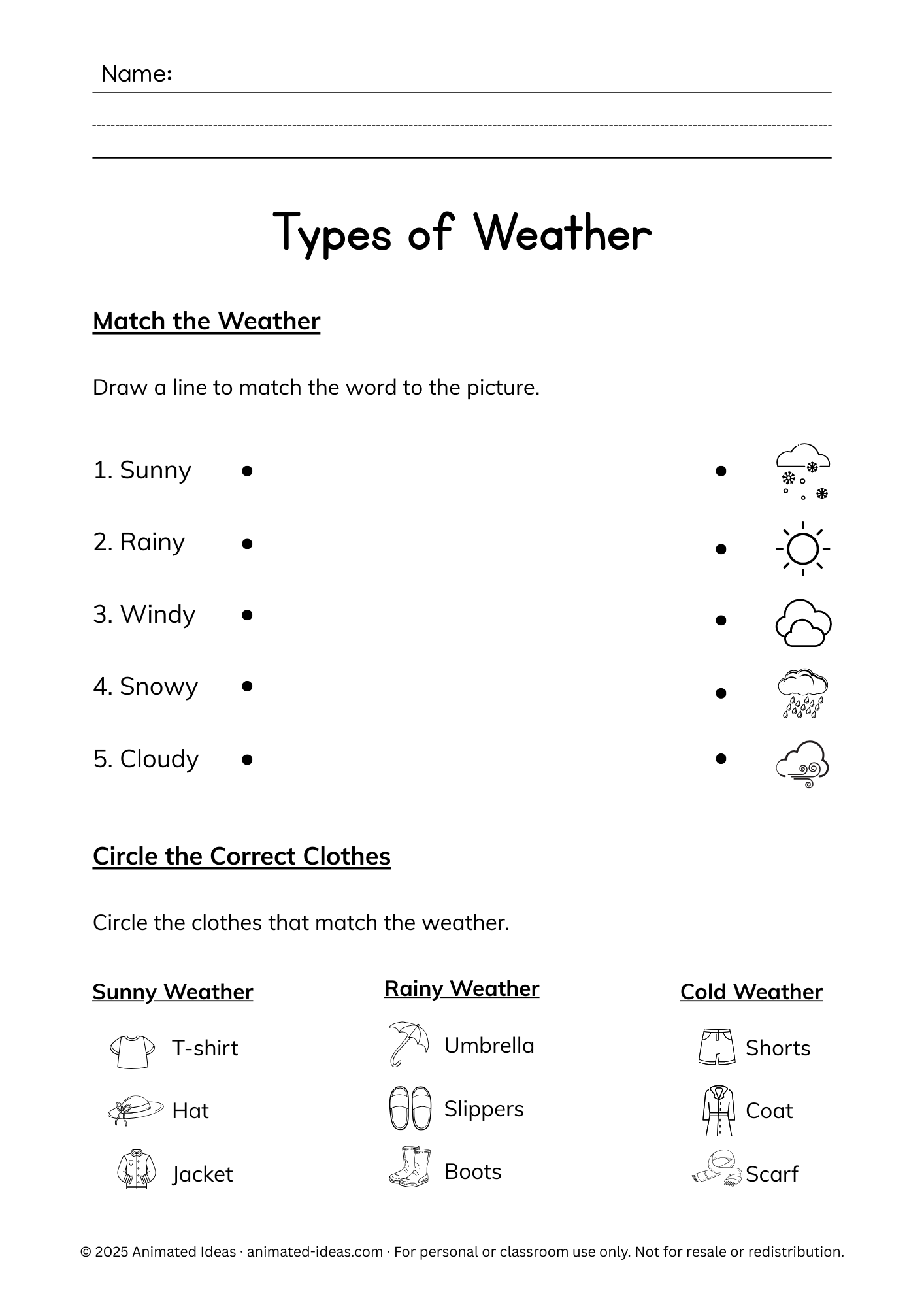
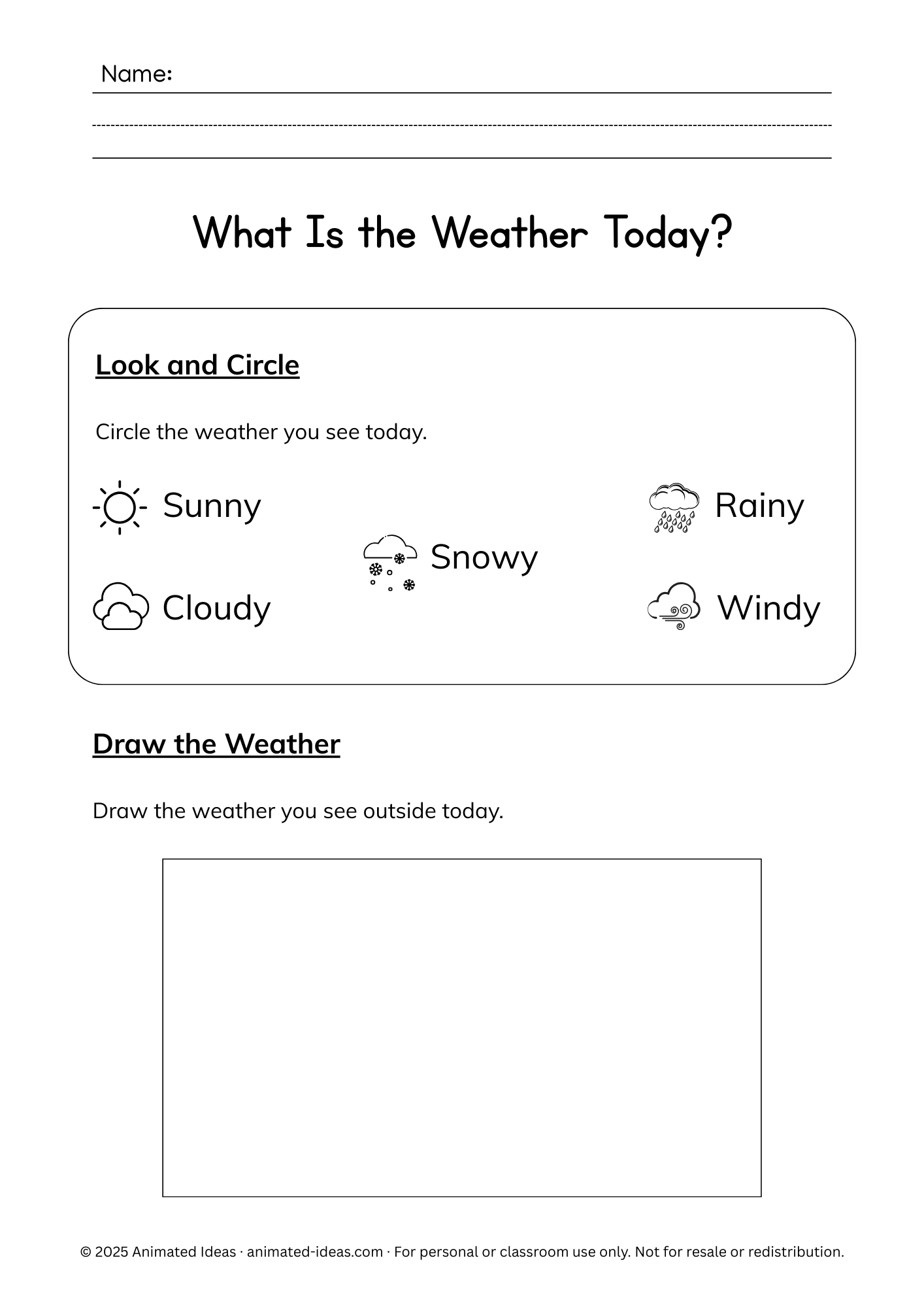
Weather Elements
Our weather is made up of several main elements. By learning about them, children can better recognize different climate conditions. These elements include sunlight, clouds, rain, wind, and temperature.
Sunlight
Sunlight affects how warm or bright a day feels. A sunny day is usually warm and clear. Sunlight also helps plants grow and provides light for outdoor activities. On bright days, children often play outside and enjoy the warmth.
Clouds
Clouds are water droplets or ice crystals floating in the sky. It can be white, gray, or dark. They often signal changes in weather. Thick clouds may indicate rain, while light clouds usually mean fair weather.
Rain
Rain is water falling from clouds. It can be light, moderate, or heavy. It waters plants, fills rivers, and cools the air. Children often use umbrellas or raincoats when it rains. Rain is an important part of the water cycle.
Wind
Wind is moving air. It can be gentle or strong. Wind affects trees, leaves, and flags. Strong winds may make outdoor activities difficult. Children learn that wind is part of natural weather changes.
Temperature
Temperature measures how hot or cold the air is. High temperatures make the day feel warm or hot. Low temperatures make the day feel cold or chilly. Temperature helps children decide what clothing is appropriate for the day.
Types of Weather
There are many types of weather. Each type has unique features and affects daily life differently. Children learn to identify these types through observation and experience.
Sunny
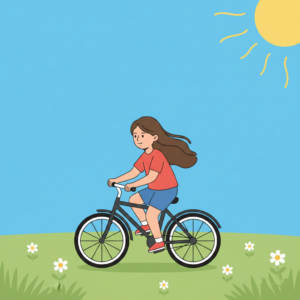
Sunny weather happens when the sun shines brightly in the sky. The sky is usually clear and blue, and there are few or no clouds. Sunny days are warm and pleasant. Children often enjoy playing outside, running, or riding bikes.
Sunlight is important because it helps plants grow and gives energy to animals and people.
On sunny days, it is nice to wear sunglasses and hats to protect your eyes and face. It also helps people feel happy and active. Many outdoor activities are planned on sunny days.
Rainy
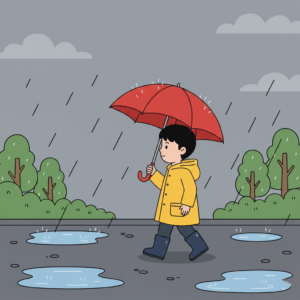
Rainy weather occurs when clouds release water as rain. Rain can be light, like small drops, or heavy, like a downpour. The sky often looks gray and cloudy.
Rain makes the ground wet and sometimes slippery, so children need to be careful when walking or running. People wear raincoats, use umbrellas, and wear boots to stay dry.
Rain is important because it helps plants grow and fills rivers and lakes. It can cool the air and clean dust from the ground. After the rain, the air often feels fresh and cool.
Cloudy
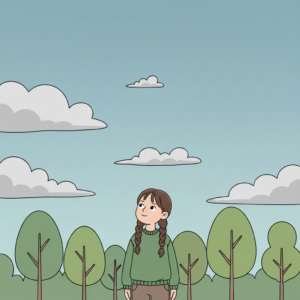
Cloudy weather happens when clouds cover most of the sky. The sun may be hidden behind the clouds. The day may feel cooler and darker than a sunny day.
Clouds often show that rain or other weather changes may come soon. Children can look at cloud shapes and patterns to guess what the weather might do next. Some clouds are big and fluffy, and some are thin and gray.
Cloudy days are common and can happen at any time of the year. They help children learn to observe the sky.
Windy
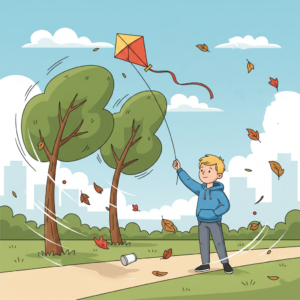
Windy weather happens when air moves quickly. Sometimes the wind is gentle, and sometimes it is strong. Wind moves trees, leaves, and other objects. Strong winds can make outdoor activities harder, like flying kites or riding bicycles.
Children learn that wind is a natural part of the weather. It can also help carry seeds, bring fresh air, and cool people on hot days.
Windy weather can change quickly and feels different from day to day. It is important to be careful during strong winds.
Hot
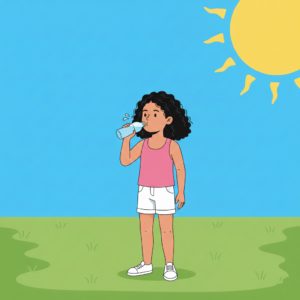
Hot weather happens when the temperature is high. The sun may feel very strong, and the air feels warm. Children need to drink plenty of water and wear light, comfortable clothes.
Hot weather can make outdoor play more tiring, so it is important to take breaks in the shade. Hot days are perfect for swimming, eating ice cream, or playing in water sprinklers.
Staying cool is important during hot weather. Rest and shade help protect the body from heat.
Cold
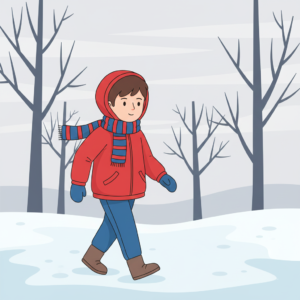
Cold weather happens when the temperature is low. The air feels chilly, and people wear warm clothes like jackets, scarves, and gloves. Cold weather can bring frost or ice in some places.
Children notice changes in the ground and plants during cold weather. Some plants may stop growing, and ponds or lakes may freeze. Cold weather can also be fun for building snow forts or having snowball fights in places where it snows.
This teaches children the importance of dressing properly. Warm clothing helps keep the body safe and comfortable.
Snowy
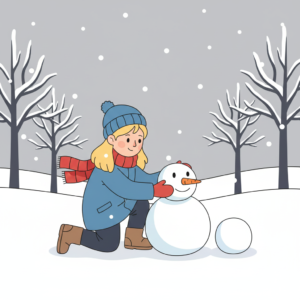
Snowy weather happens in very cold places when water freezes and falls as snow. Snow covers the ground and makes the world look white and clean. Children may build snowmen, make snow angels, or play in the snow.
Snow can make traveling harder because roads may be slippery, so people must be careful. Snowy weather is beautiful and fun but also teaches children to be safe and warm.
Snow changes how people travel and play outside. It is important to wear warm clothes and sturdy shoes.
Stormy
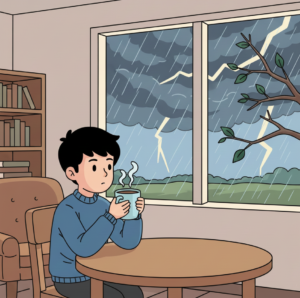
Stormy weather includes thunderstorms, lightning, and heavy rain. Storms can be strong and dangerous. Children learn to stay indoors during storms to be safe. Thunder and lightning can be loud and bright, so it is important not to go outside.
This teaches children about natural forces and how to take precautions. It also helps plants and animals because rainwater is important for life.
Storms may last for a short or long time. After a storm, the weather often becomes calm again.
Weather Changes Daily
Weather does not stay the same. In fact, it can change during the day or from day to day. For example, children may notice that a sunny morning turns cloudy in the afternoon. They may also see rain starting suddenly or wind increasing.
These daily changes affect clothing, activities, and mood. By observing them, children develop awareness of their environment. Furthermore, by noting the it each day, children begin to understand patterns and predict changes.
Weather and Nature
Weather affects all living things. For example, plants need sunlight and rain to grow. Similarly, animals rely on it for shelter, food, and warmth. In addition, humans use its information to stay safe and comfortable.
However, too much rain may cause flooding, while too little rain may dry up soil. Also, strong winds can damage plants and trees, and hot temperatures can make animals and people seek shade. Therefore, understanding it helps children recognize the needs of living things.
Weather and Seasons
Weather is closely related to seasons. Each season has its own typical weather patterns that happen at certain times of the year. These patterns help children understand what kind of weather to expect as the months change.
Spring usually has mild temperatures. It begins to warm after winter, and rain happens more often. Plants start to grow, flowers bloom, and trees become green again. Spring helps nature come back to life.
Summer is the hottest season of the year. Days are often sunny and bright, and the temperature is high. Some places may also experience storms with heavy rain or strong winds. Summer is common for outdoor activities, but people must stay cool and drink enough water.
Autumn, also called fall, brings cooler temperatures. Leaves change color and fall from trees. The wind may become stronger, and it starts to feel less warm. Autumn shows that winter is coming soon.
Winter is the coldest season. Temperatures are low, and some places may have snow or ice. Days are shorter, and nights are longer. People wear warm clothing to stay comfortable during winter.
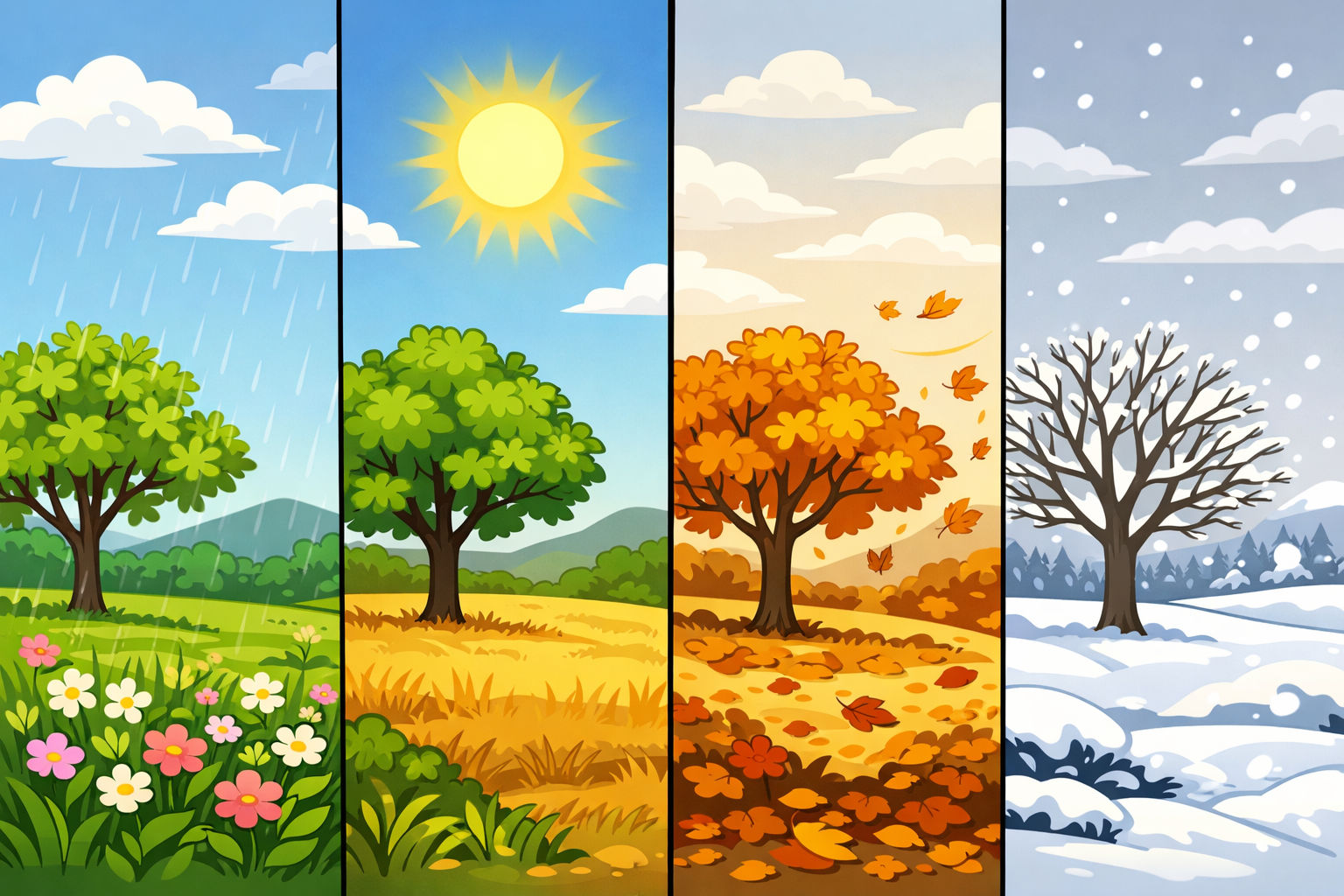
Children learn that weather patterns are connected to the time of year. By observing the seasons, they understand why it changes throughout the year and how nature follows a natural cycle.
How We Observe Weather
Children can observe it using their senses. They look at the sky, feel the air, and listen to sounds like rain or wind.
Tools to Observe Weather
- Thermometer: Measures temperature
- Wind vane: Shows wind direction
- Rain gauge: Measures rainfall
- Barometer: Measures air pressure
By using tools and observing signs, children learn how to record and describe it. This develops early scientific skills.
Why Learning Weather Is Important
Learning about it helps children in many ways. For example, it teaches them to dress appropriately and also helps them plan outdoor activities safely. In addition, it builds awareness of nature and environmental changes.
Moreover, understanding it introduces basic scientific thinking. Children notice patterns, observe cause and effect, and make predictions. These skills, in turn, support learning in science, math, and everyday life.
Summary
Weather describes the conditions of the air and sky. Specifically, it includes sunlight, clouds, rain, wind, and temperature. Moreover, it changes daily and affects people, animals, and plants.
There are many types of weather. These include sunny, rainy, cloudy, windy, hot, cold, snowy, and stormy conditions. By observing it, children learn to understand daily life and the natural world. In addition, it connects closely with seasons, nature, and safety. Therefore, learning about it builds curiosity and early scientific knowledge.
By paying attention to it, children become aware of patterns, notice changes, and understand how living things depend on it. Overall, it is an essential part of understanding our planet.