
The Benefits of Outdoor Play for Children
Introduction: Why Outdoor Play Benefits Matter Today
Many parents and teachers search for the best ways to support children’s growth. Because screens are everywhere, children often spend less time outside. However, outdoor play benefits are too important to ignore. In fact, outdoor play helps children develop healthier bodies, stronger minds, and better emotional balance. It also gives them valuable skills they can use throughout life.
This blog explores every major advantage of outdoor play. It includes examples and practical ideas for families and educators.
The Top Outdoor Play Benefits for Children
Outdoor play strengthens the whole child. It helps them develop physically, mentally, socially, and emotionally. Because of this, outdoor activities should be a daily habit.
Outdoor Play Benefits for Physical Development
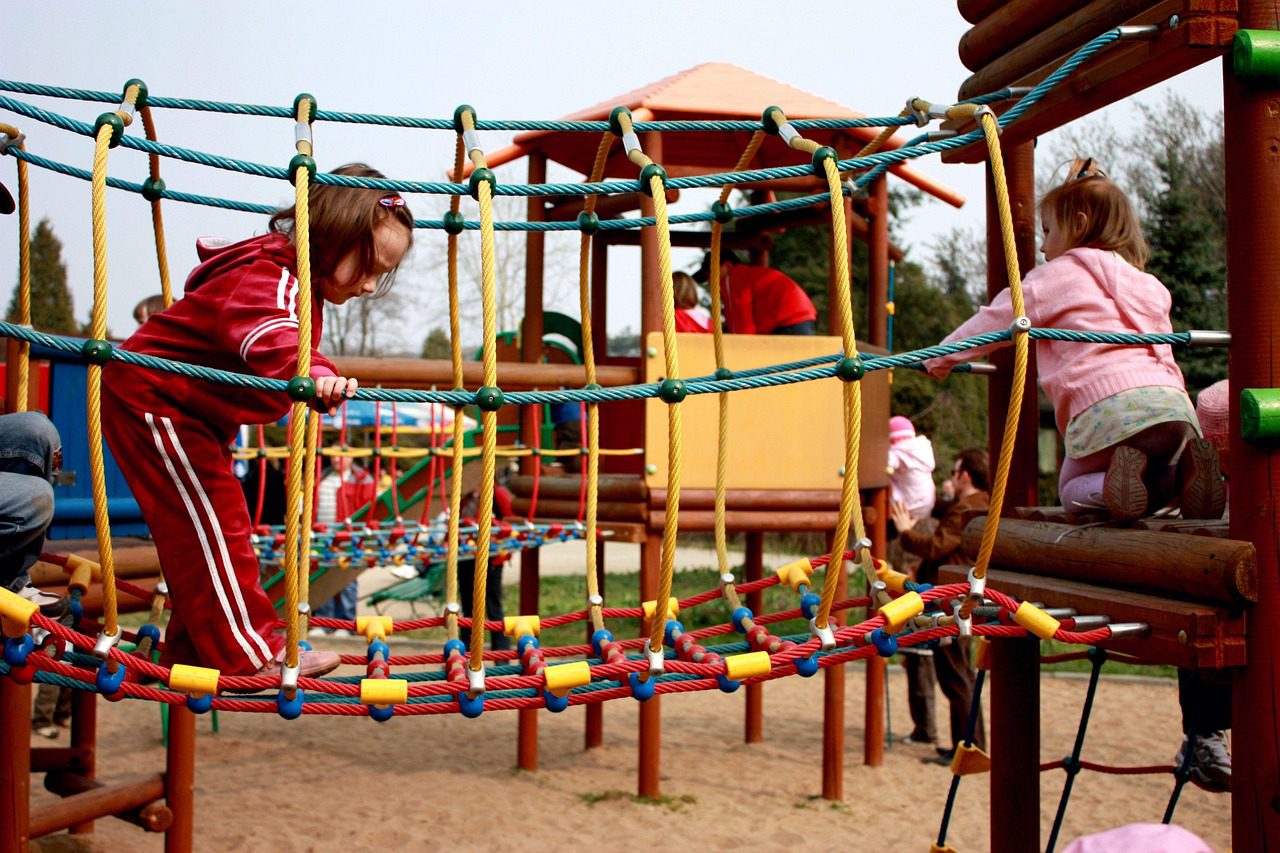
Playing outside greatly supports physical growth. Children move more outside. They run, jump, climb, balance, and explore. As a result, their bodies grow stronger and more coordinated.
Stronger Muscles and Bones Through Active Play
Outdoor play encourages natural movement. Therefore, children use their large muscles often. They build healthier bones and stronger muscles while climbing, hopping, and running.

Improved Balance and Coordination
Children also practice balance and coordination outdoors. They walk on uneven ground, step over rocks and climb small hills. These movements help them control their bodies better.
Increased Endurance and Better Heart Health
Because children run more outdoors, their stamina grows. Their heart becomes stronger. Their lungs work better. These skills support long-term health.
Lower Risk of Obesity
Outdoor play helps children stay active. It reduces the risk of early weight problems. Short, frequent outdoor sessions help children burn energy in a healthy way.
Outdoor Play Benefits for Social Development
Children practice social skills while playing outdoors. They learn teamwork, empathy, and respect. Outdoor spaces encourage group activities, which build strong social confidence.
Better Communication Skills
Outdoor games require talking. Children call out rules. They ask for turns. They solve small disagreements. As a result, their communication improves.
Stronger Teamwork and Cooperation
Outdoor play also helps children learn teamwork. For example, they might build a simple fort together. They might carry buckets of sand as a group. These shared experiences teach collaboration.
Development of Leadership Skills
Outdoor spaces allow natural leadership to appear. Some children lead games. Others organize roles. Everyone learns how to participate and guide.
Outdoor Play Benefits for Emotional Well-Being
Children experience many emotions as they grow. Outdoor play provides a natural way to manage these emotions.
Reduced Stress and Anxiety
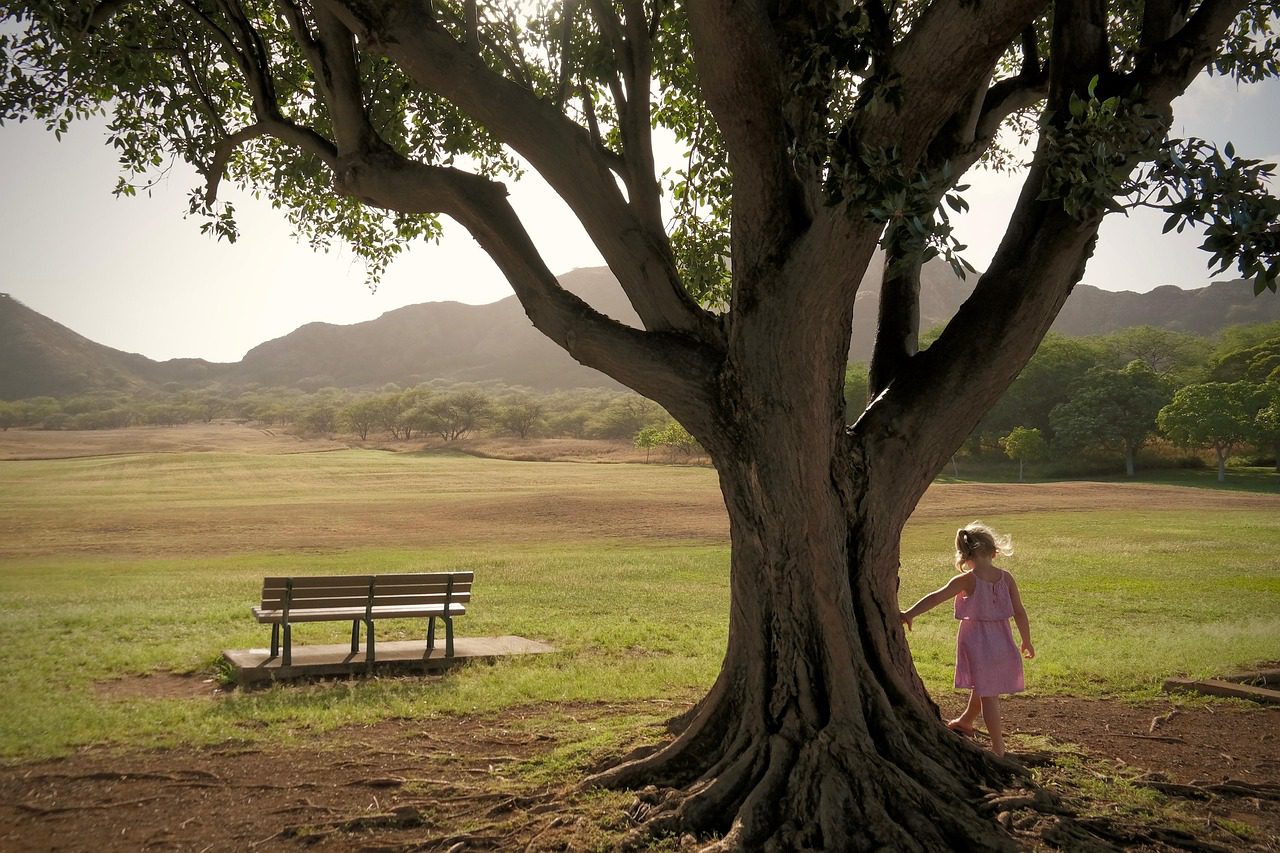
Fresh air helps children relax. The open space reduces pressure. Nature also calms the mind. Because of this, outdoor play lowers stress.
Increased Happiness and Confidence
Outdoor play makes children feel free. They explore, discover new things and create small adventures. These experiences make them happy and confident.
Healthy Risk-Taking Skills
Children also learn safe risk-taking. They try climbing higher steps, jump farther and test their limits carefully. These experiences build resilience and courage.
Outdoor Play Benefits for Cognitive Development
Beyond physical and emotional advantages, outdoor play also helps the brain grow.
Stronger Problem-Solving Skills
Nature challenges children. They think about how to cross a small ditch or figure out how to build a sand tower. They also learn cause and effect. As a result, their thinking skills improve.
Better Focus and Attention
Studies show that outdoor time improves focus. When children return indoors, they stay attentive longer. Nature resets the brain. It reduces mental overload.
Increased Creativity and Imagination
Outdoor spaces encourage creativity. Children pretend the yard is a jungle. They imagine stones as treasure. Natural surroundings inspire imaginative play.
Outdoor Play Benefits for Language Development
Language grows during conversations. Outdoor play creates many chances to talk, ask questions, and describe the environment.
Growing Vocabulary Through Nature Exploration
Children learn new words outdoors. They hear words like “shade,” “breeze,” “petal,” or “soil.” They hear adults describe plants, animals, and sensations. This exposure strengthens vocabulary.
More Opportunities for Meaningful Conversations
Outdoor environments encourage questions. Children ask why leaves fall. They ask why ants follow lines. These moments create rich learning discussions.
Practical Ideas to Increase Outdoor Play
Parents and teachers can support outdoor activities without spending money.
Simple Outdoor Activities
Here are easy ideas:
- Nature walks
- Collecting leaves
- Playing tag
- Cloud-watching
- Drawing with sidewalk chalk
- Building with sticks and stones
Daily Outdoor Routine Tips
Try these strategies:
- Add 20 minutes of outdoor play after breakfast
- Create a small outdoor station with balls or chalk
- Invite friends for group outdoor activities
Safe Outdoor Play Reminders
Safety matters. Always check the play space. Provide water. Use sun protection. Stay near younger children.
Conclusion: Outdoor Play Benefits Every Child
Outdoor play is more than just a fun activity—it is an essential part of a child’s healthy development. When children spend time outdoors, they strengthen their bodies, improve their coordination, and build the physical skills they need for an active lifestyle. Simple activities like running, jumping, climbing, or riding a bike help support muscle growth, balance, and overall fitness in a natural and enjoyable way.
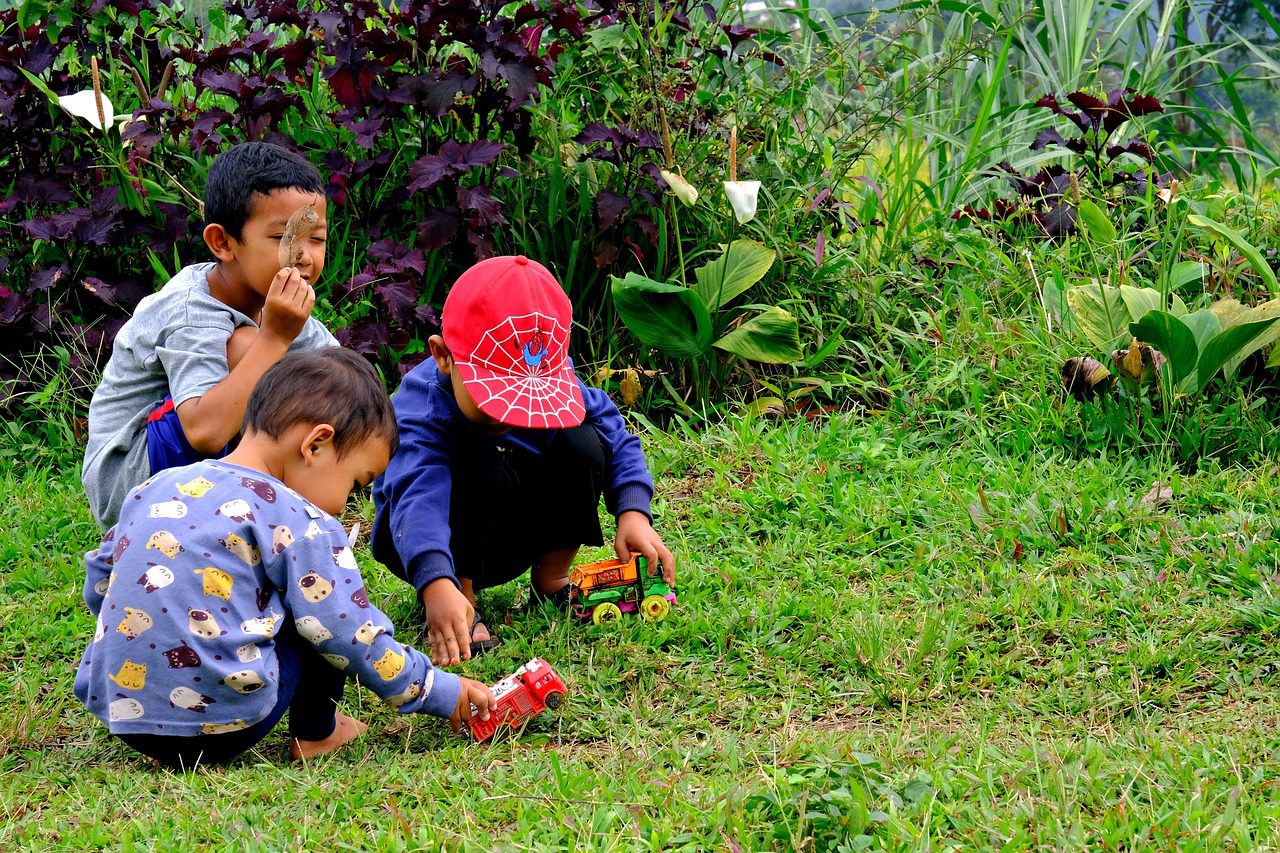
Being outside also sharpens a child’s mind. Outdoor environments encourage curiosity, observation, and imagination. Children learn to explore, ask questions, and make discoveries on their own. These experiences help improve problem-solving skills, critical thinking, and creativity. Nature provides a type of learning that cannot be fully replicated indoors.
Emotionally, outdoor play allows children to relax, reduce stress, and express themselves freely. Fresh air and open spaces give them a sense of freedom and confidence. It also provides opportunities to learn social skills—communicating with friends, taking turns, cooperating, and resolving small conflicts during play.
With so many proven benefits, families and teachers should make outdoor play a daily priority. Even short moments outside—like a quick walk, a few minutes of free play, or exploring the backyard—can create positive, long-lasting impacts. When children connect with nature and move their bodies freely, they grow healthier, happier, and more resilient. Outdoor play truly benefits every child.