
What Are the Characteristics of Living Things?
The characteristics of living things help us tell the difference between things that are alive and things that are not alive. In science, living things are called organisms. These organisms can be plants, animals, or even tiny living things that we cannot see without a microscope.
Although living things may look very different, all of them – no matter their shape or size – share certain characteristics. These characteristics are important because they help living things survive, grow, and stay healthy.
In this lesson, we will explore these traits carefully and clearly, so that everyone can understand them step by step. First, we will learn what makes living things different from non-living things. Then, we will look at examples that children can easily relate to, making the ideas easier to remember.
Overall, by the end of this lesson, you will understand the traits that make living things special and how these traits help all life survive.
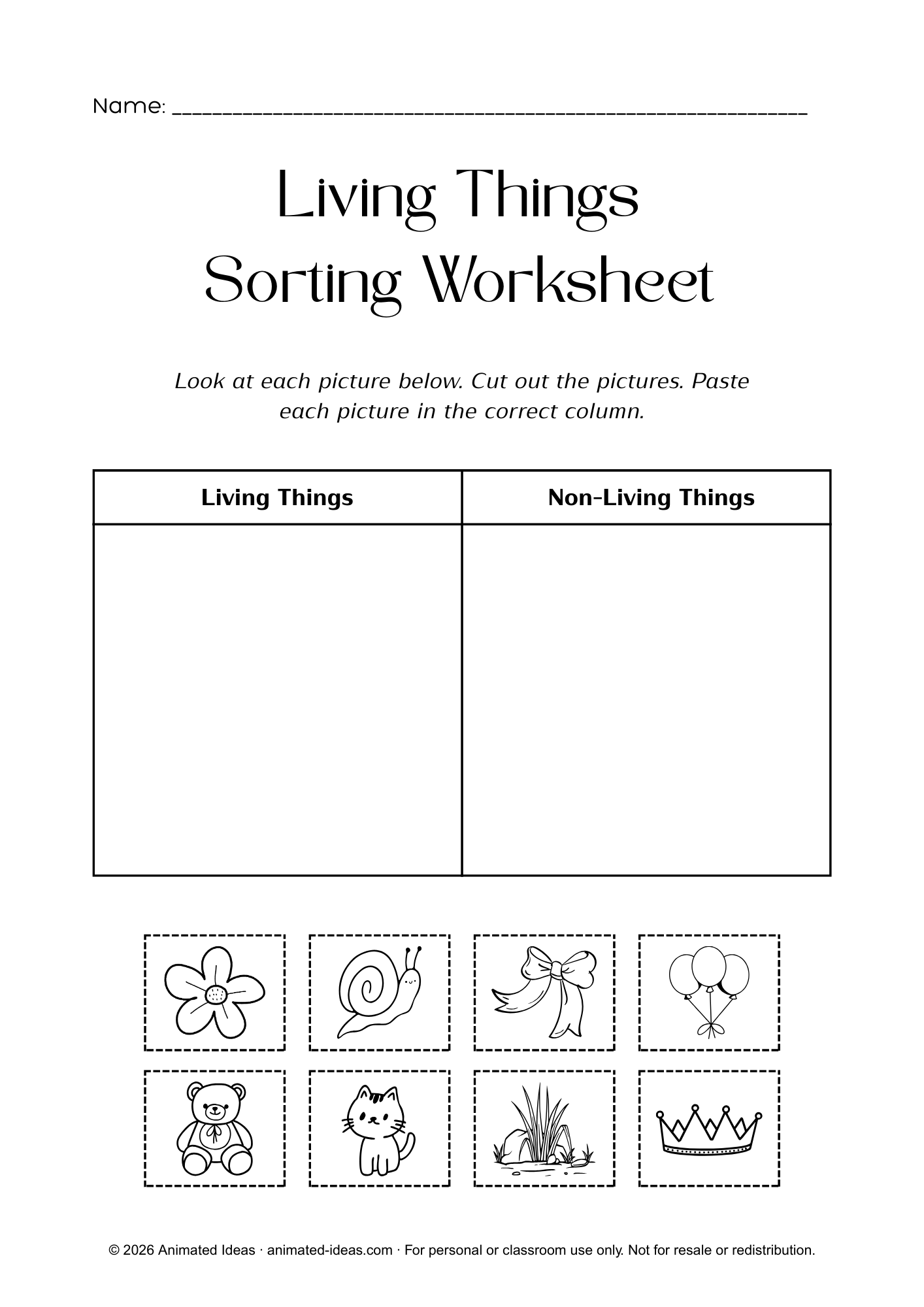
Download Free Worksheets and Notes
Get your free Characteristics of Living Things worksheets and notes for 2nd grade. Includes colored and black & white versions to make learning easier and fun. Perfect for classroom or home use!



Download your free worksheets and notes now and start learning about living things today!
Understanding What Makes Something Alive: Key Characteristics of Living Things
Living things are very different from rocks, toys, or chairs. But why is that? Unlike non-living things, living things can do certain actions that non-living things cannot.
For example:
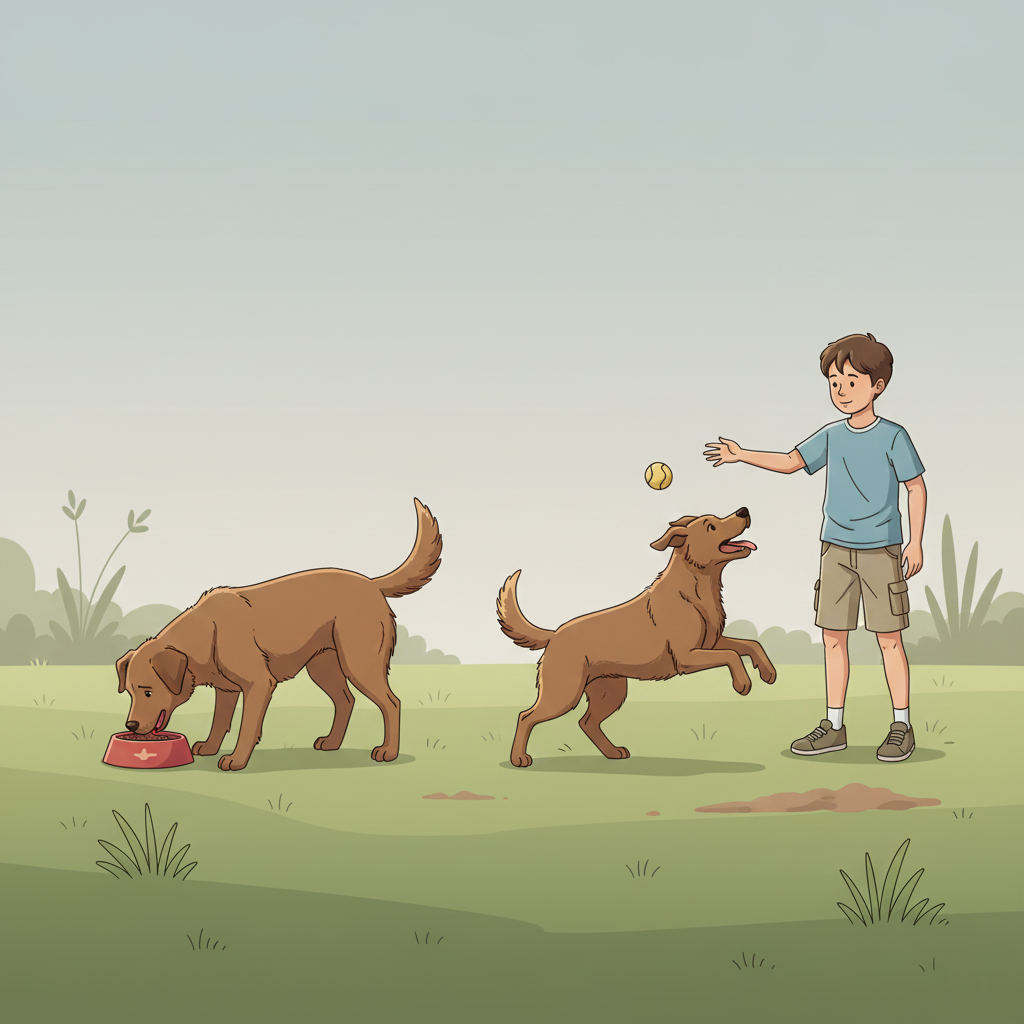

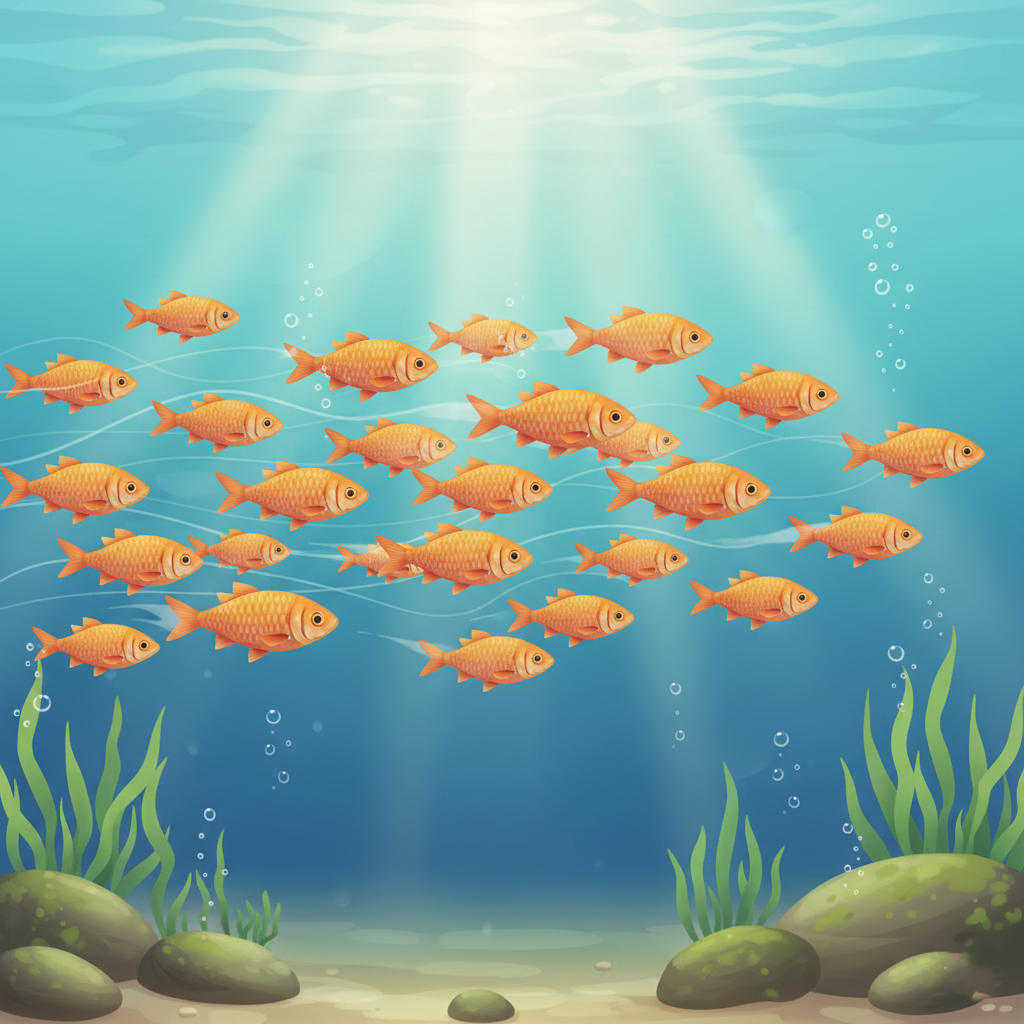
In fact, living things must perform certain actions to survive. These actions are called the characteristics of living things. Each characteristic plays an important role in keeping the living thing alive and healthy.
Overall, by observing these actions, we can tell whether something is alive or not. This is why learning the characteristics of living things is so important – it helps us understand the difference between the world of life and the world of non-living objects.
Main Characteristics of Living Things
All living things share the Characteristics of living things. The following characteristics explain what living things can do.
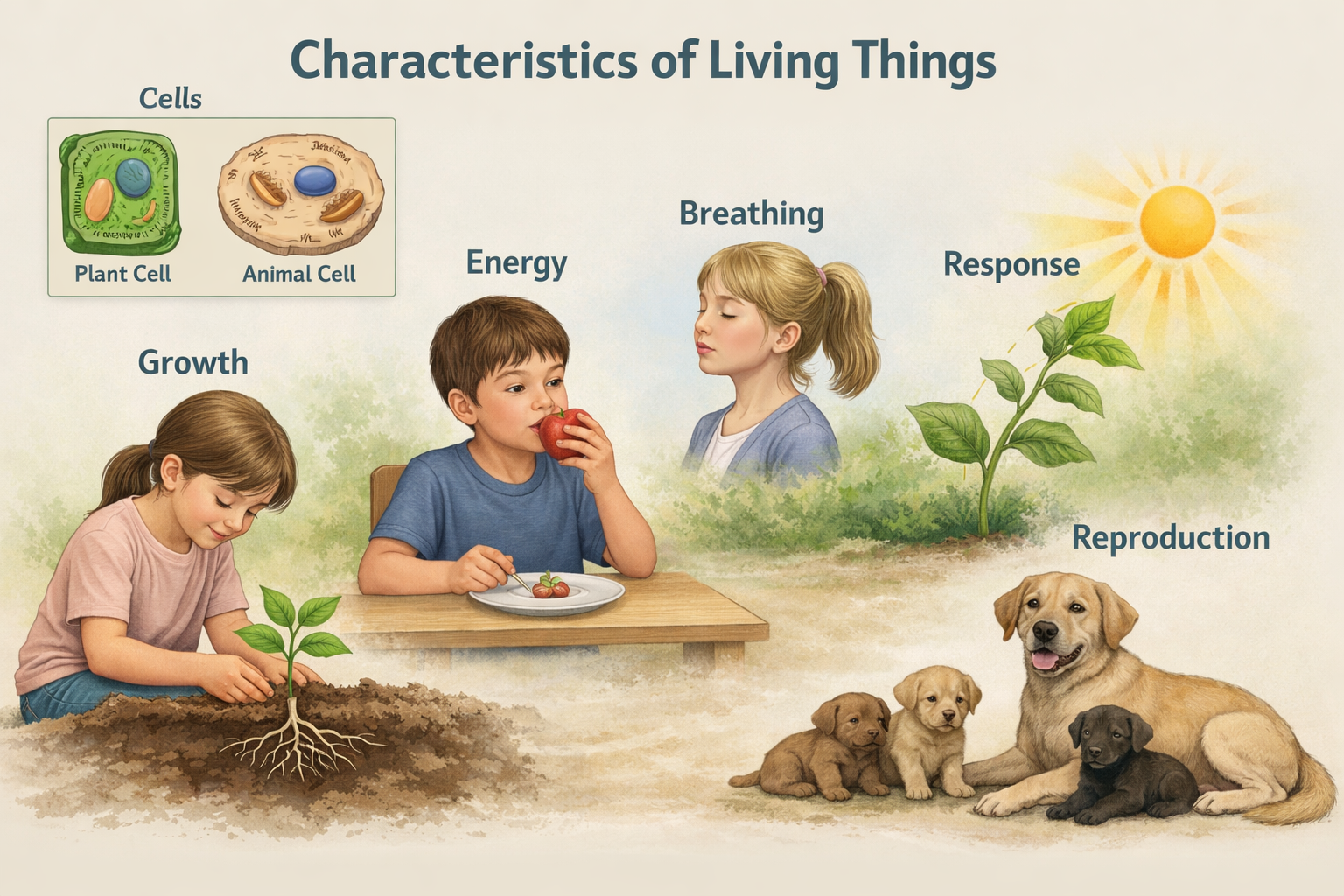
1. Living Things Are Made of Cells
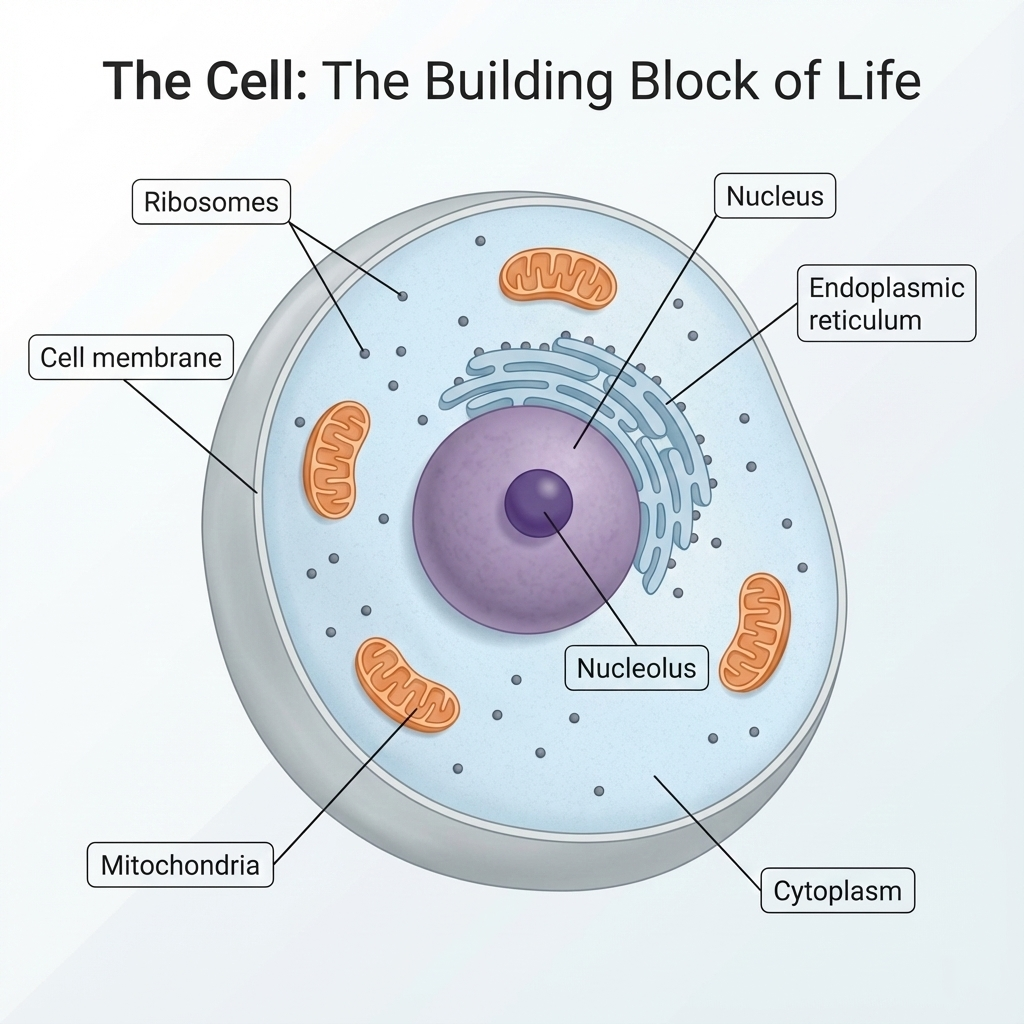
All living things are made of cells. Cells are the smallest parts of life. They are so tiny that we cannot see them with our eyes. Scientists use a microscope to see cells.
Some living things, like humans and animals, are made of many cells. Other living things, like bacteria, are made of only one cell.
Plants, animals, insects, and humans all have cells. Even the smallest living things have cells.
Cells are like tiny building blocks. Many cells join together to form parts of the body, such as skin, leaves, roots, muscles, and organs. Each cell has a job to do. For example, cells in a plant leaf help the plant make food. Cells work together so the living thing can grow, move, and stay alive.
2. Living Things Need Food
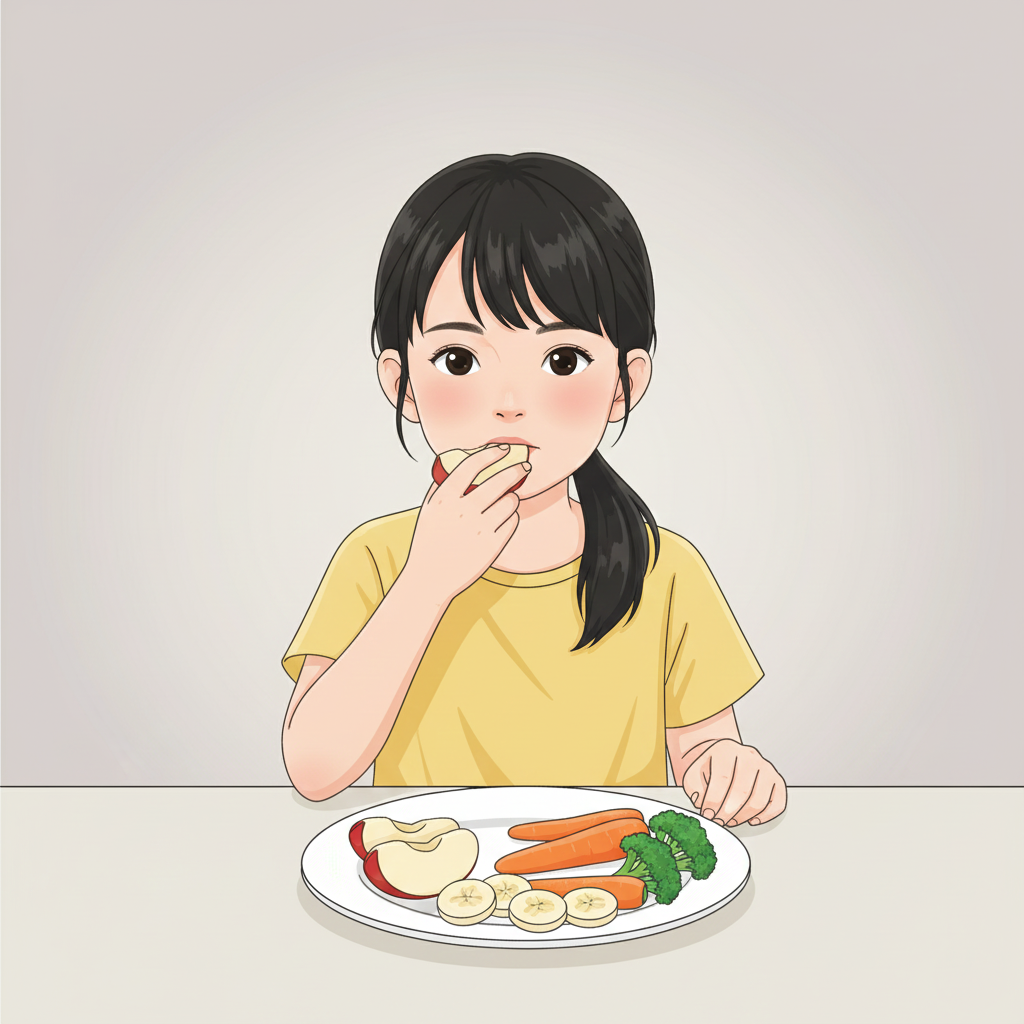
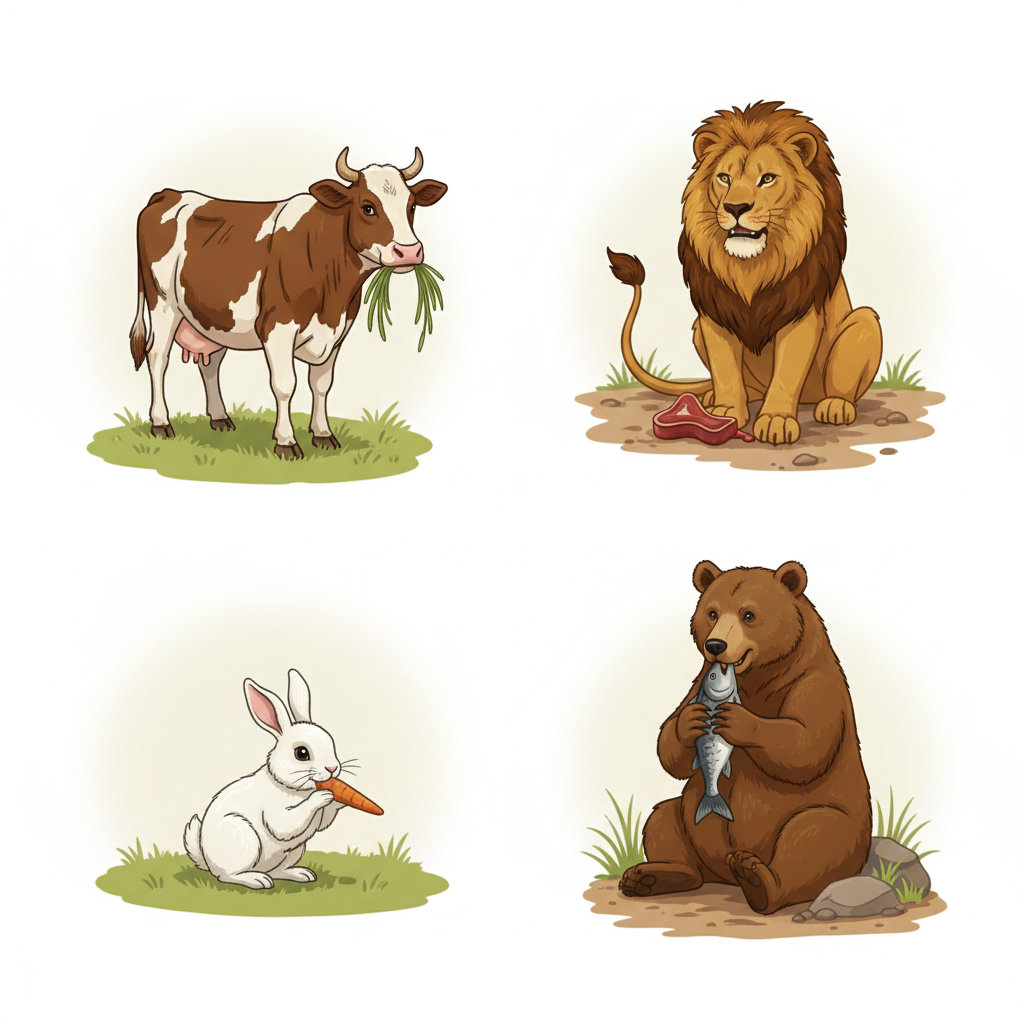
All living things need food. Food gives energy. Energy helps living things grow, move, and stay healthy.
Animals and humans eat food such as fruits, vegetables, meat, and grains. Plants do not eat food the same way animals do. Instead, plants make their own food.
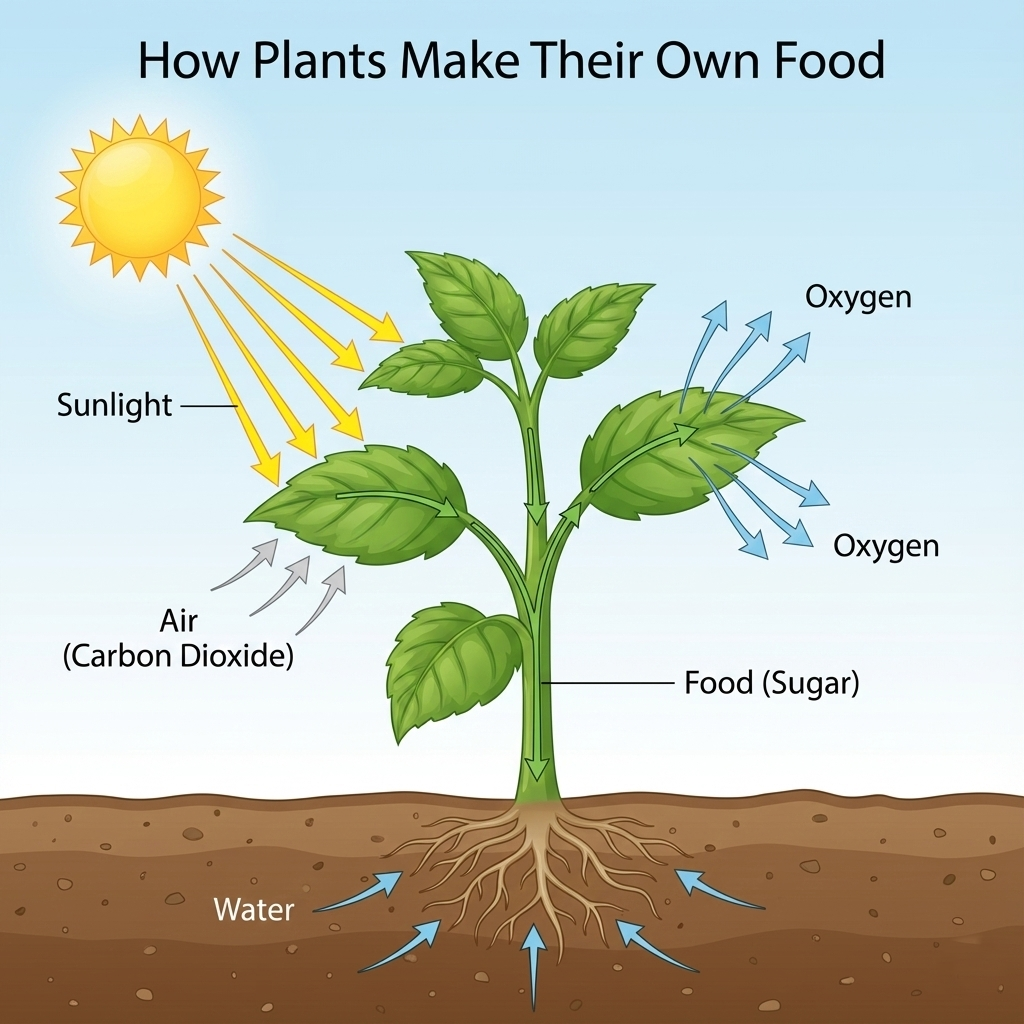
Plants use sunlight, water, and air to make food. This process is called photosynthesis. Photosynthesis helps plants grow and stay alive.
Animals and humans get energy by eating plants or other animals. Without food, living things become weak and cannot survive. Food gives living things the strength to move, play, grow, and do daily activities.
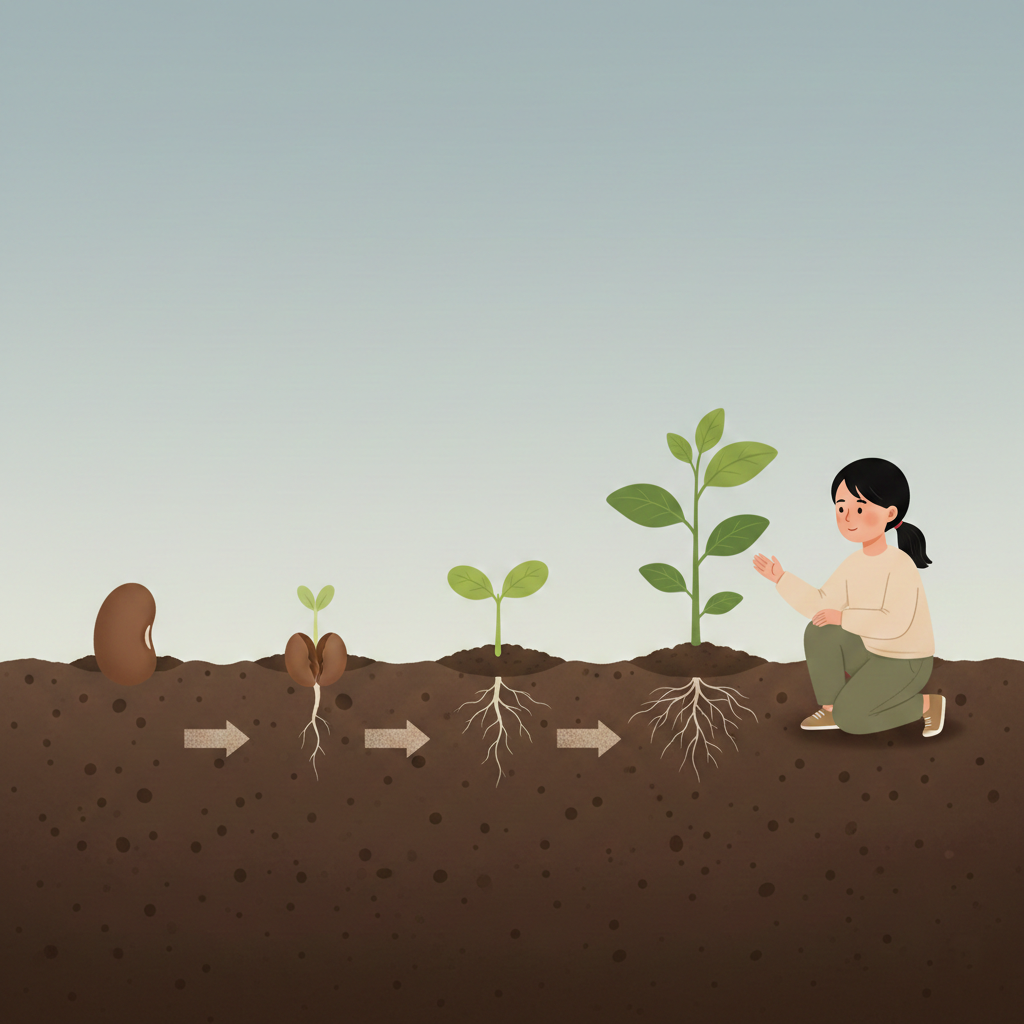
3. Living Things Grow
All living things grow and change over time.
People grow from babies into adults. Animals grow from young animals into adult animals. Plants grow from seeds into big plants or trees.
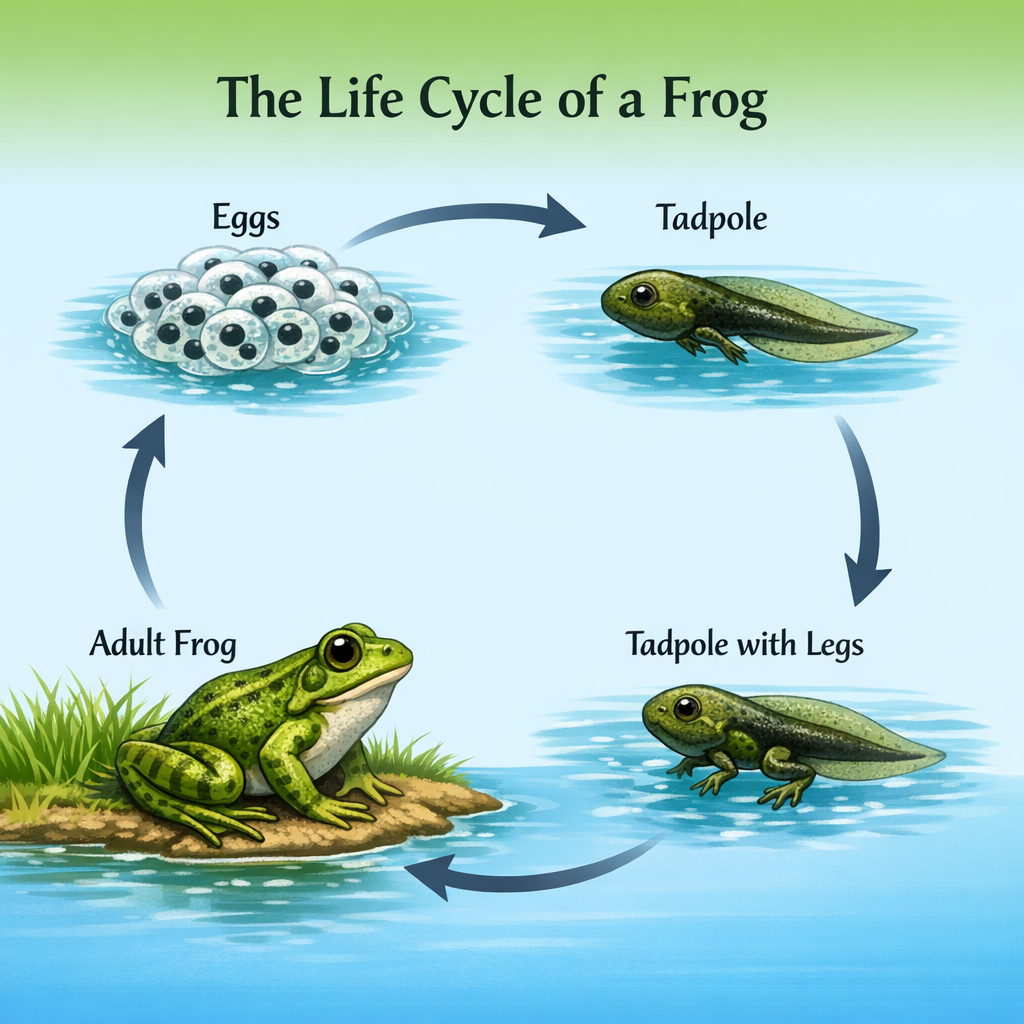
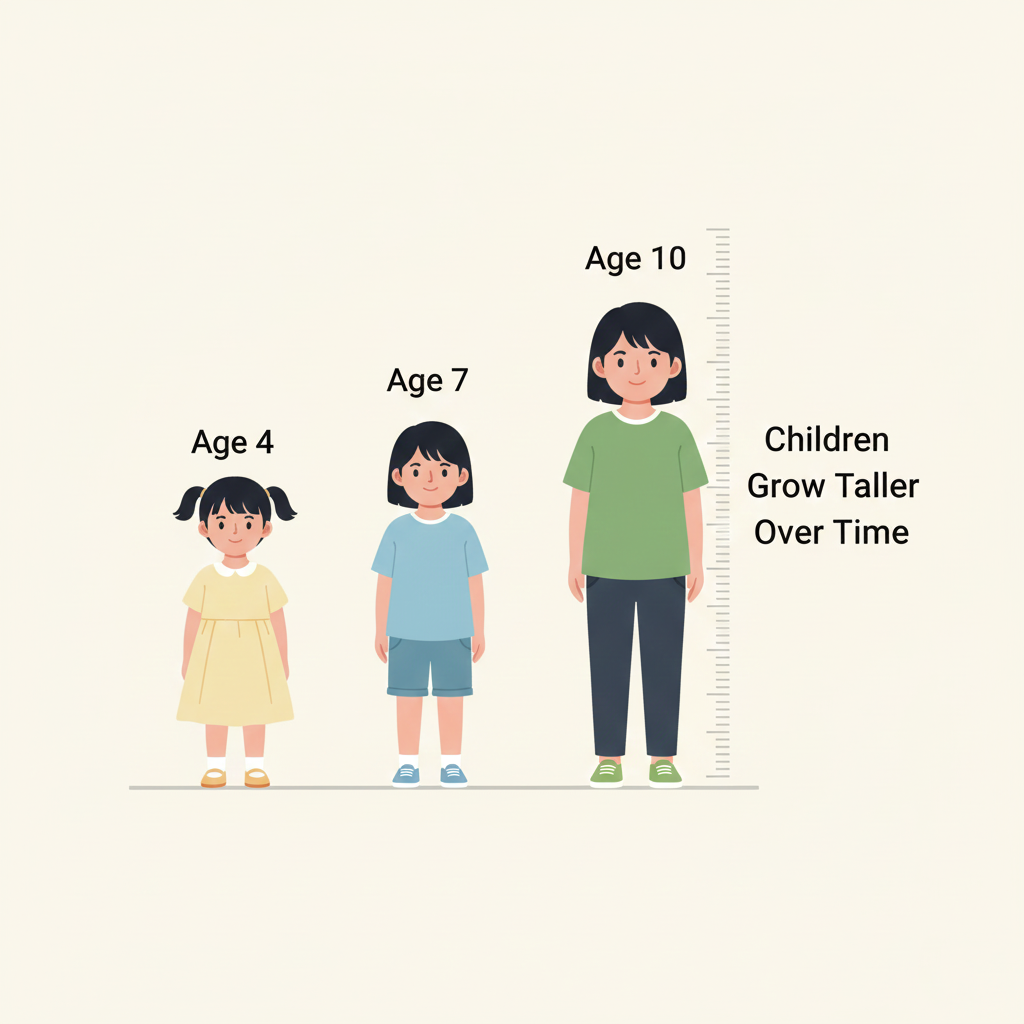
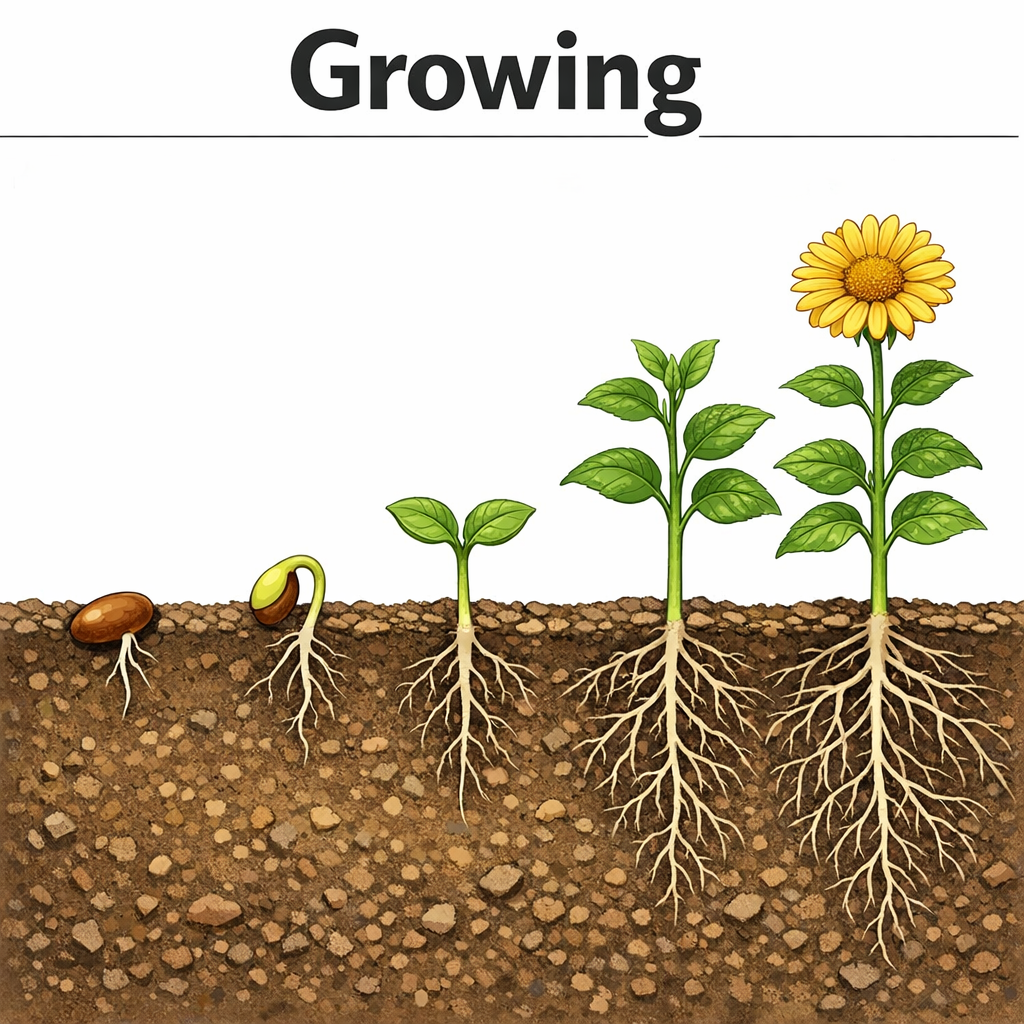
Growing means getting bigger, taller, heavier, or changing shape. Growth happens slowly over time. A puppy grows into a dog. A small seed grows into a tall plant. Growth shows that something is alive. Non-living things do not grow on their own.
4. Living Things Breathe
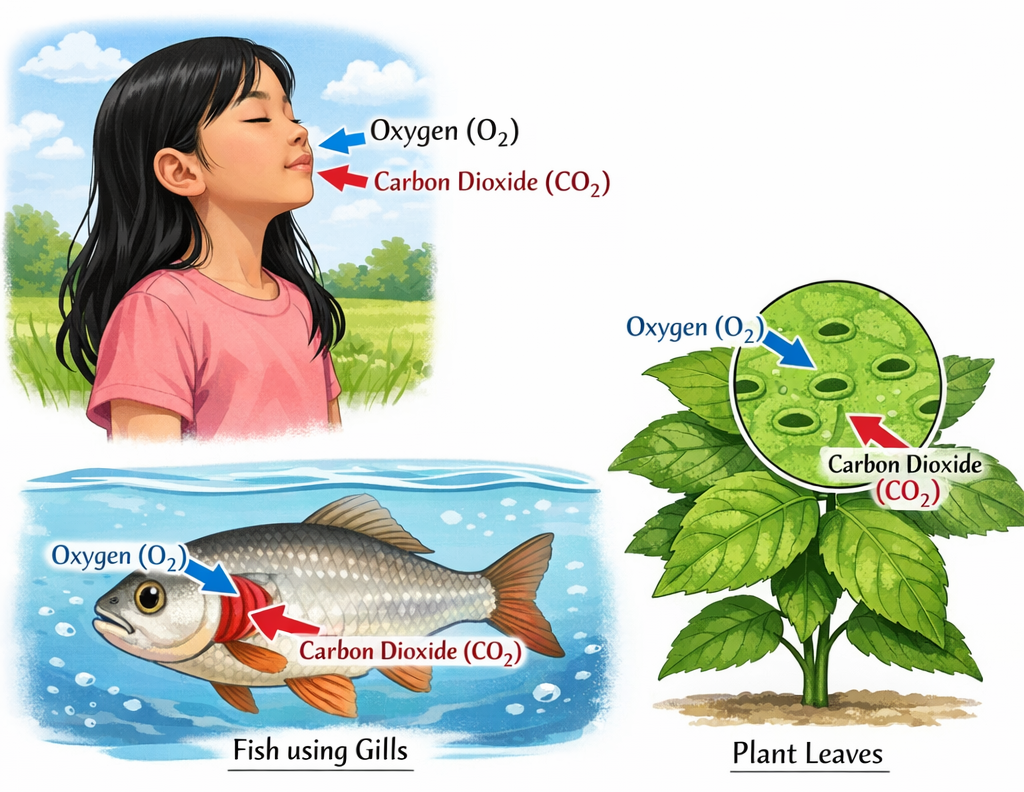
All living things need air to survive. Breathing is how living things take in oxygen and let out carbon dioxide.
Humans and animals breathe using their lungs. Plants also breathe, but they do it in a different way.
Plants breathe through tiny openings on their leaves. These tiny openings let air go in and out. Oxygen helps living things use energy from food. Without air, living things cannot stay alive.
Breathing happens all the time, even when we are sleeping. It is an important sign that something is living.
5. Living Things Respond to Their Environment
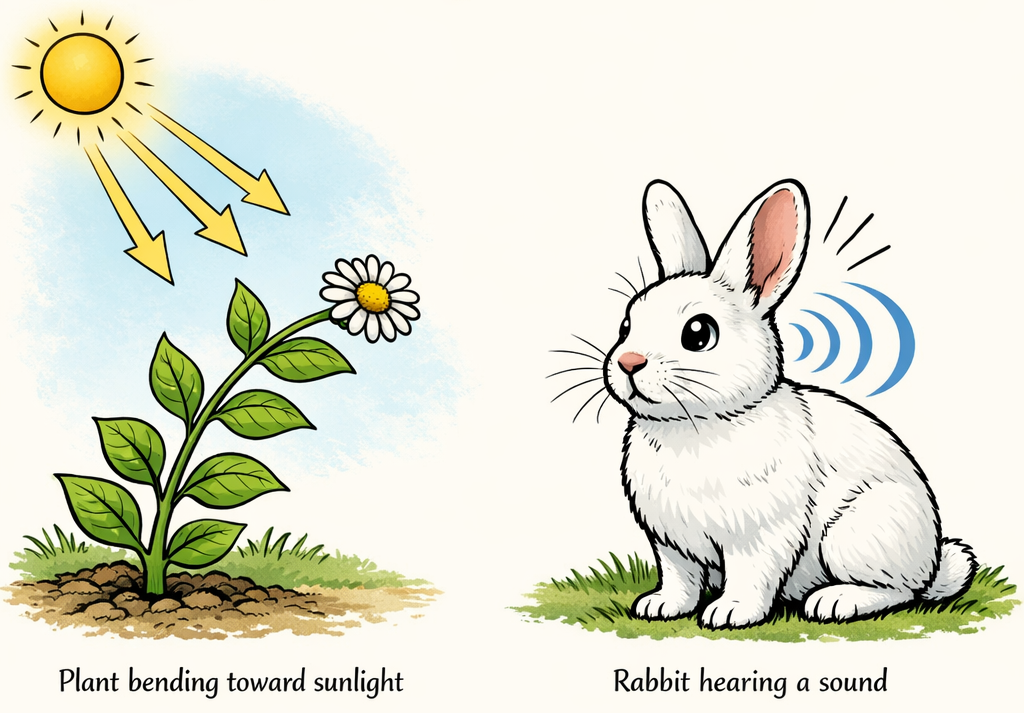
Living things can respond to changes around them. This means they can react to things they see, hear, feel, or smell.
When it is cold, people may shiver. When it is bright, we may close our eyes. Animals may run away when they hear a loud noise. Plants bend toward the sun to get more light.
Because of this, responding to the environment helps living things stay safe and survive. Non-living things do not react to changes.
6. Living Things Reproduce
All living things can reproduce, which means making new living things of the same kind.
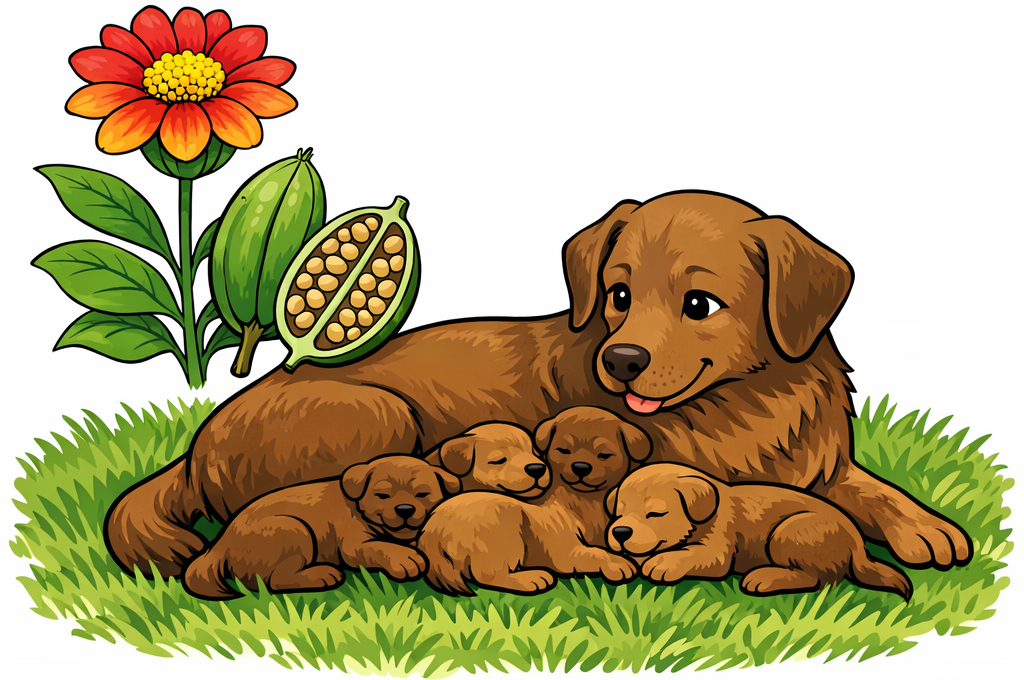
For example, animals give birth to babies or lay eggs. Also, plants grow new plants from seeds.
Reproduction helps life continue. For example, dogs have puppies, and flowers make seeds that grow into new plants. Without reproduction, living things would slowly disappear from the Earth.
7. Living Things Use Energy
Living things need energy to live because it helps them move, grow, breathe, and do daily activities. Without energy, they cannot survive.
For example, animals and humans get energy from food, while plants get energy from sunlight. This energy is very important: it allows children to run, animals to move, and plants to grow tall and strong.
In fact, using energy is another important sign of life, just like growing, breathing, and responding to the environment.
Why the Characteristics of Living Things Are Important
Understanding the characteristics of living things is very important in science because these characteristics help us know what makes something alive. In addition, they teach us how to care for animals, plants, and the environment around us.
These traits are not random. In fact, each characteristic shows how living things survive, grow, and stay healthy in nature. Together, all these traits play a special role in keeping life going.
For example:
- If a plant cannot make food, it cannot grow. Plants need sunlight, water, and air to make food through photosynthesis. Without food, the plant becomes weak and may die.
- If an animal cannot breathe, it cannot survive. Breathing brings oxygen into the body, which is needed to get energy from food. Without oxygen, the animal’s body stops working.
- If a living thing cannot grow, it may not develop properly and could have trouble surviving. Growth, therefore, allows plants and animals to become stronger and reproduce.
- If a living thing cannot respond to its environment, it may be in danger. For instance, a rabbit that does not notice a predator could get hurt.
- If a living thing cannot reproduce, its species may disappear over time. Reproduction, then, ensures that life continues from one generation to the next.
Overall, all these characteristics work together to help living things stay alive, stay healthy, and survive in their surroundings. By learning the characteristics of living things, we can better understand nature and take care of the living things around us.
Summary – What We Learned About the Characteristics of Living Things
We learned the characteristics of living things:
- Living things are made of cells
- They need food
- They grow
- They breathe
- They respond to the environment
- They reproduce
- They use energy
Altogether, these traits help us tell living things apart from non-living things.
Now you know what makes something alive!