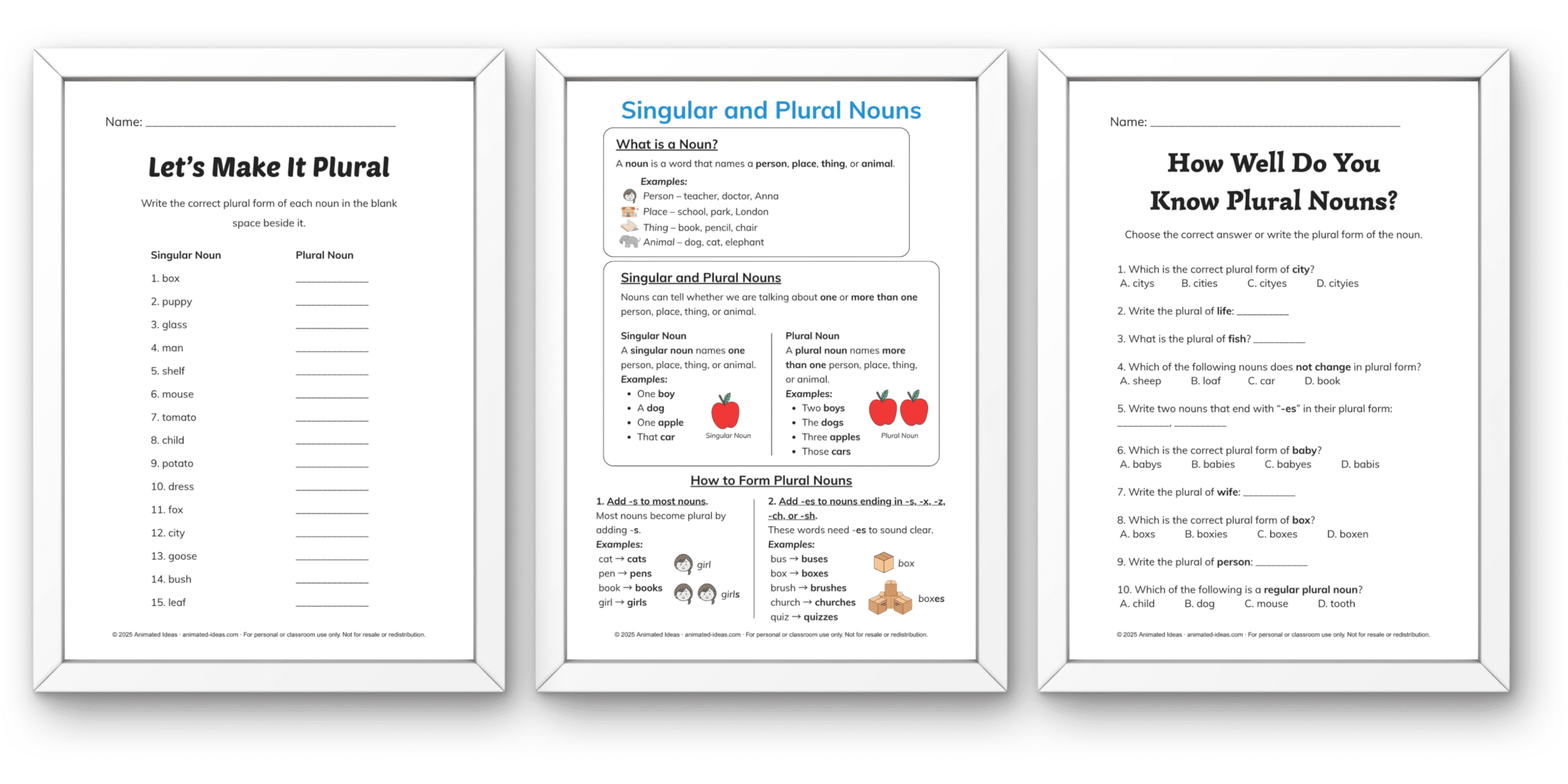

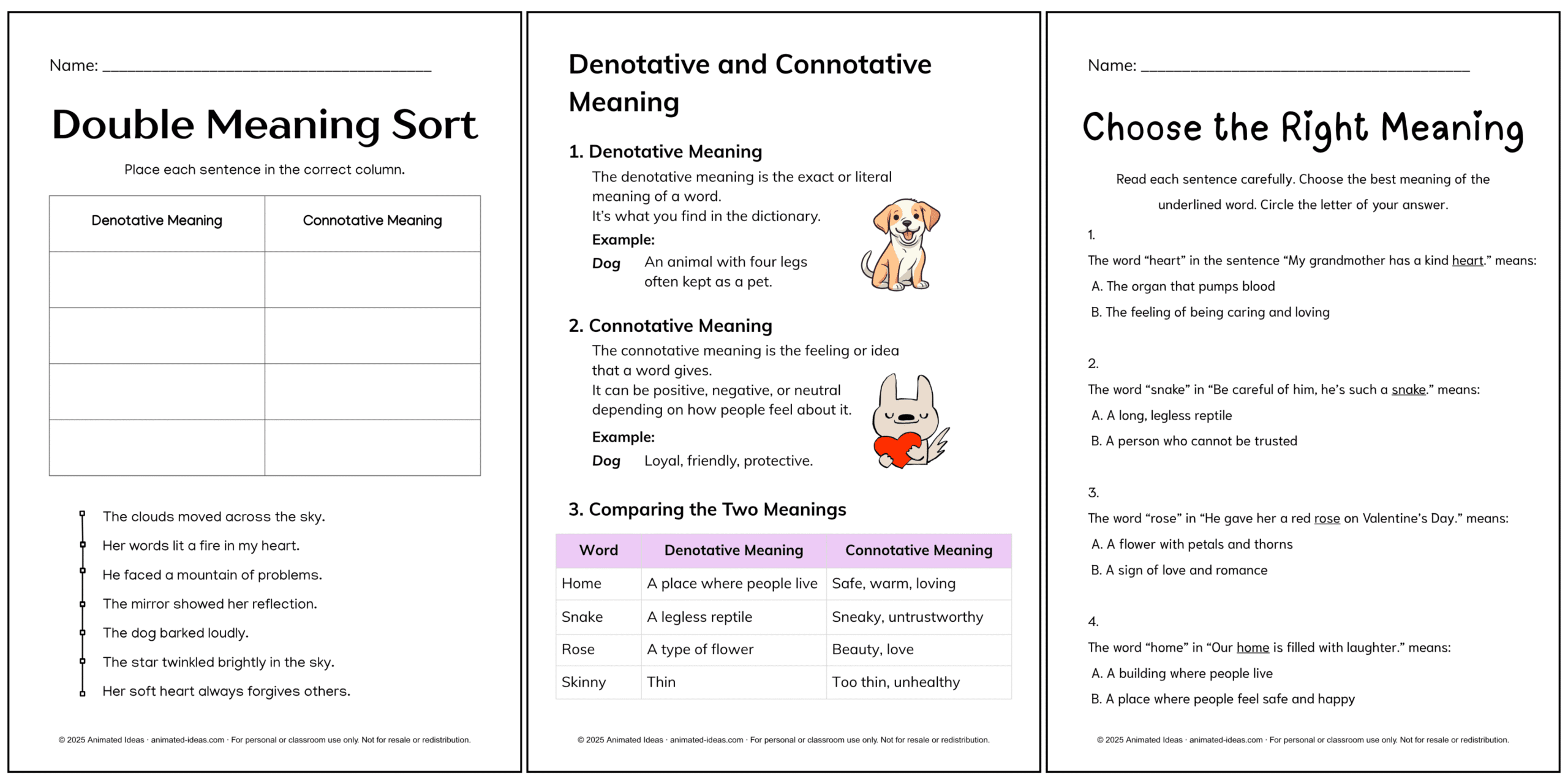
Denotative and Connotative Meaning
Introduction
Words have two kinds of meanings — the denotative meaning and the connotative meaning. Understanding both helps you become a better reader and writer. In this lesson, you will learn what these two meanings are, how they differ, and why it is important to know them.
When we read or write, we often see that some words mean exactly what they say, while others give us a certain feeling or idea. This is what we will explore in today’s discussion on denotative and connotative meaning.
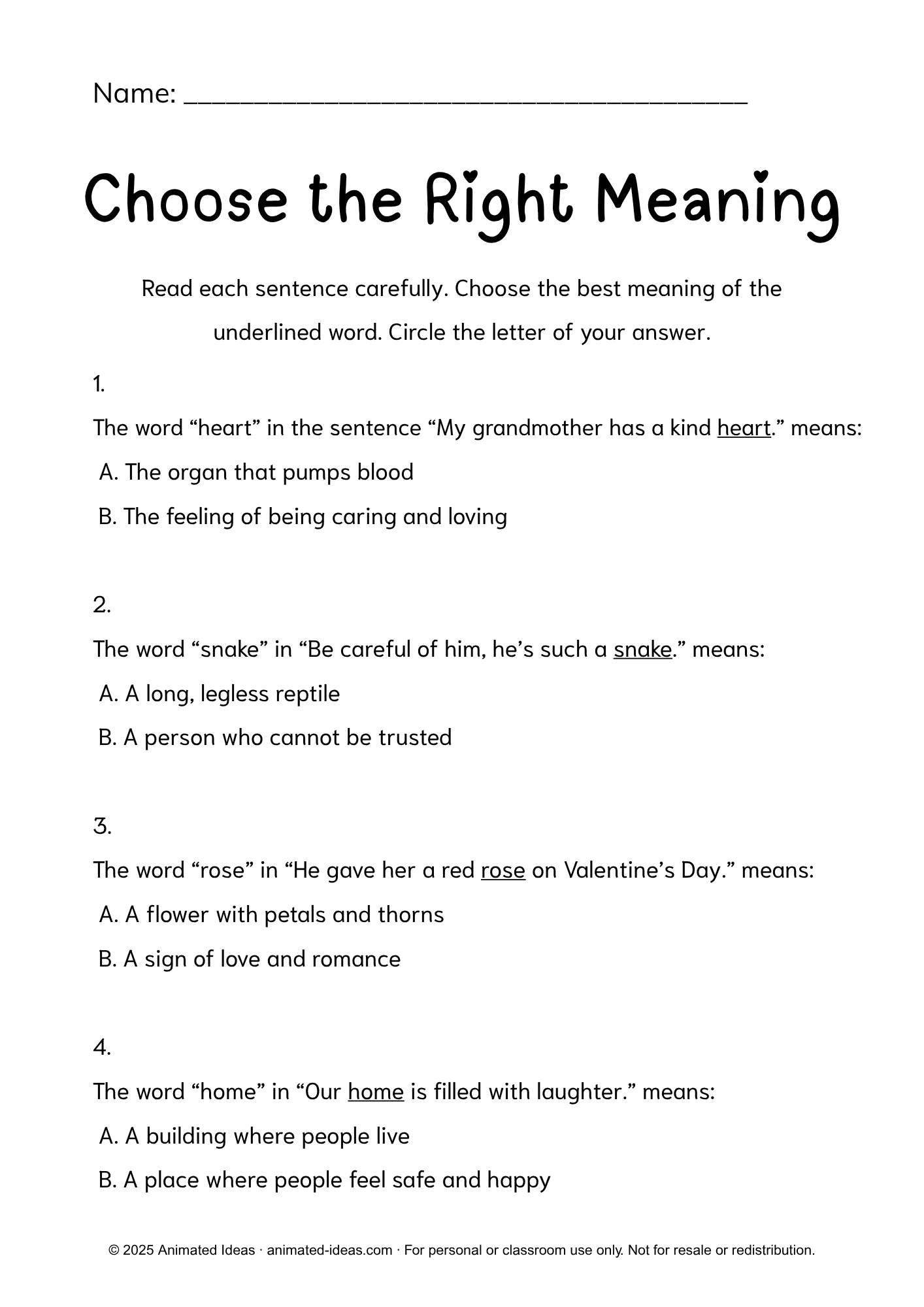
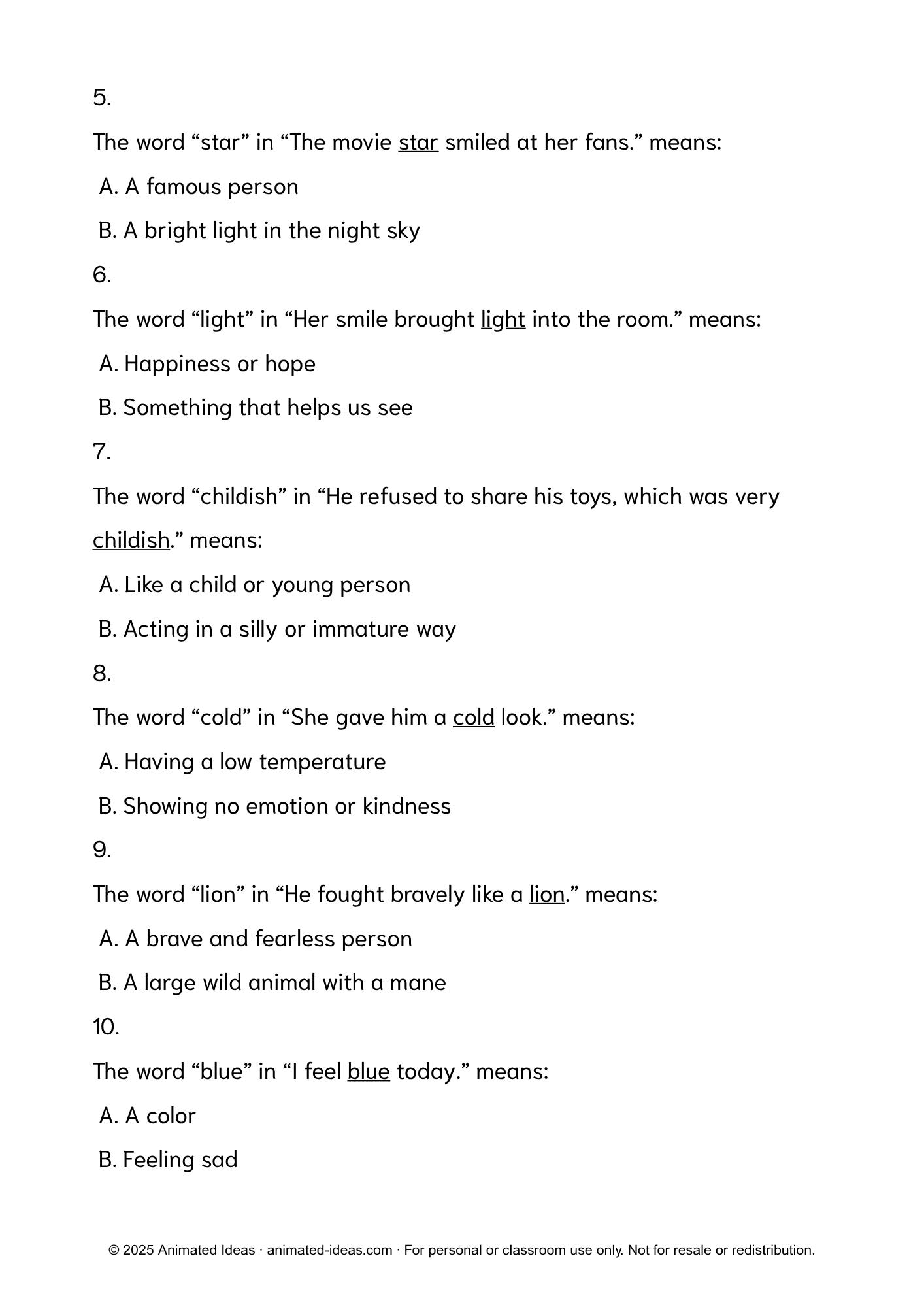
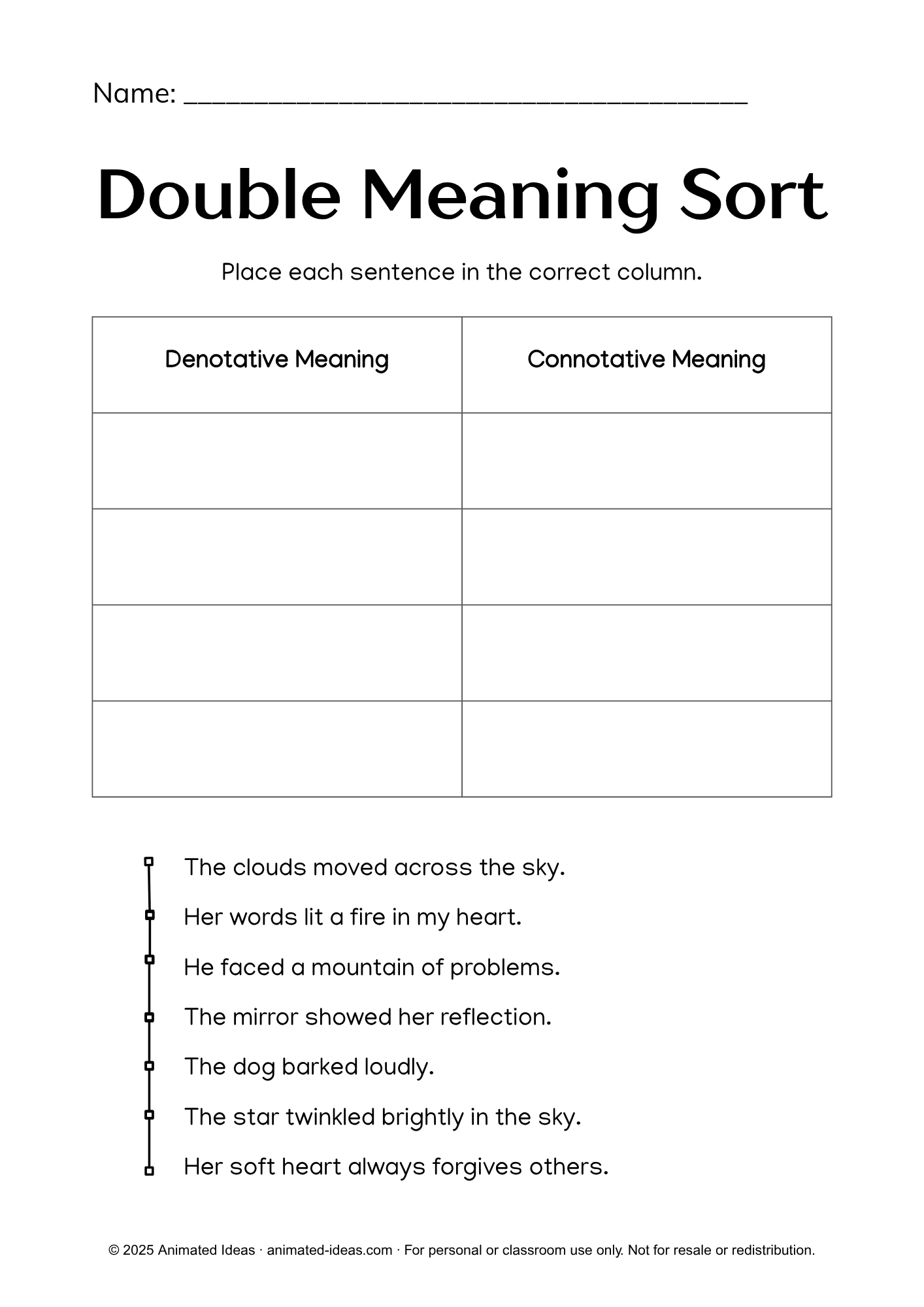
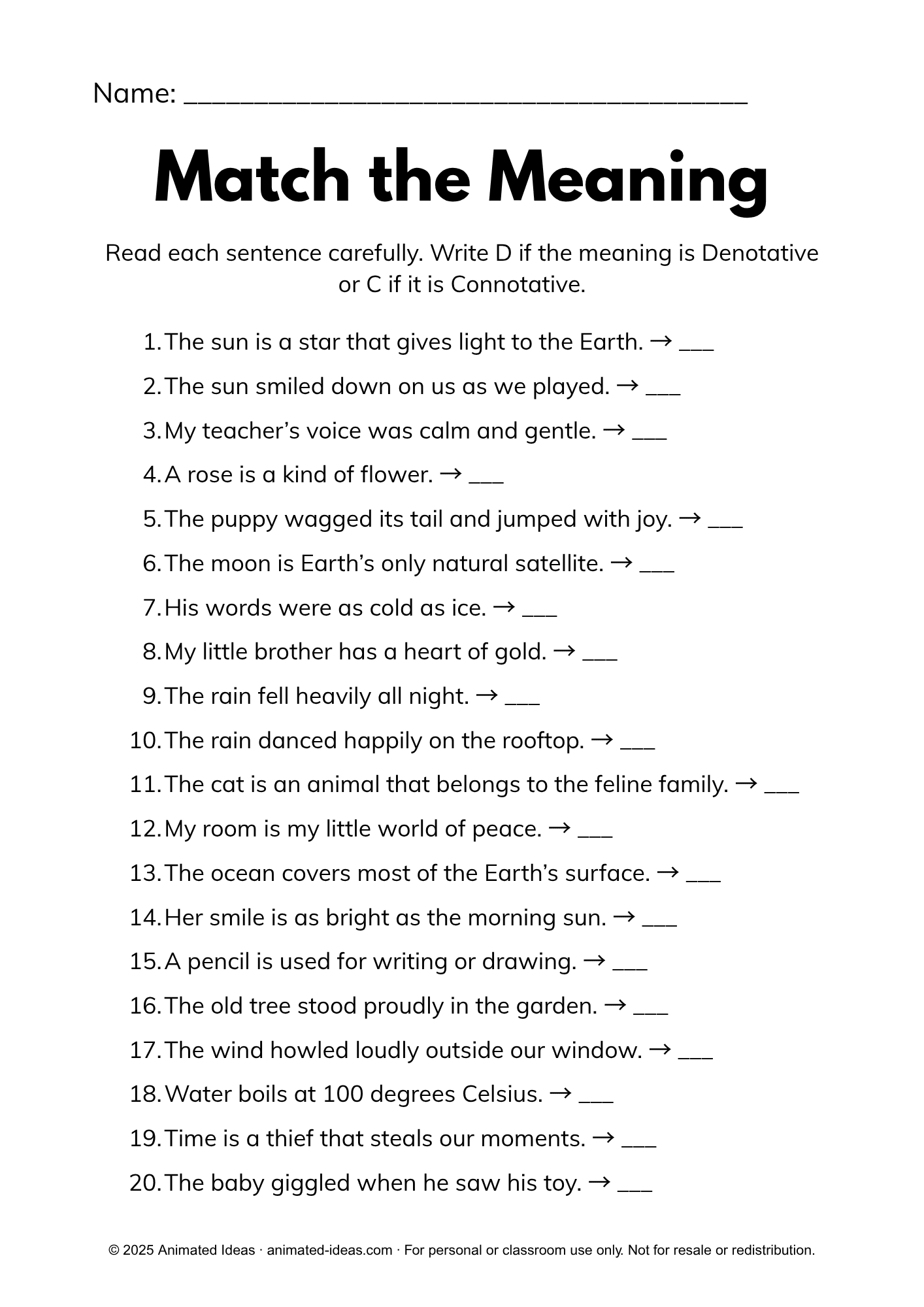
What Is Denotative Meaning?
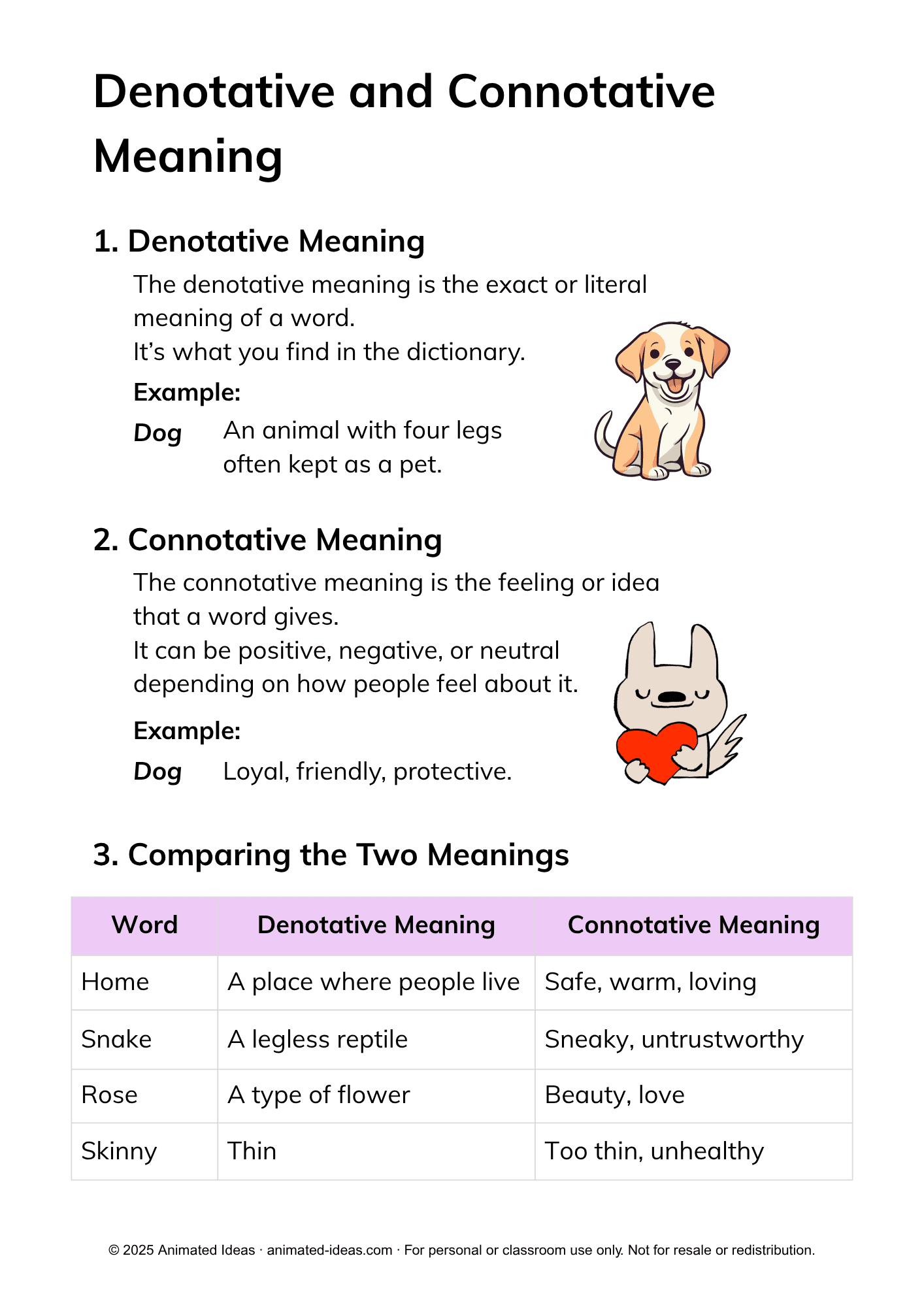
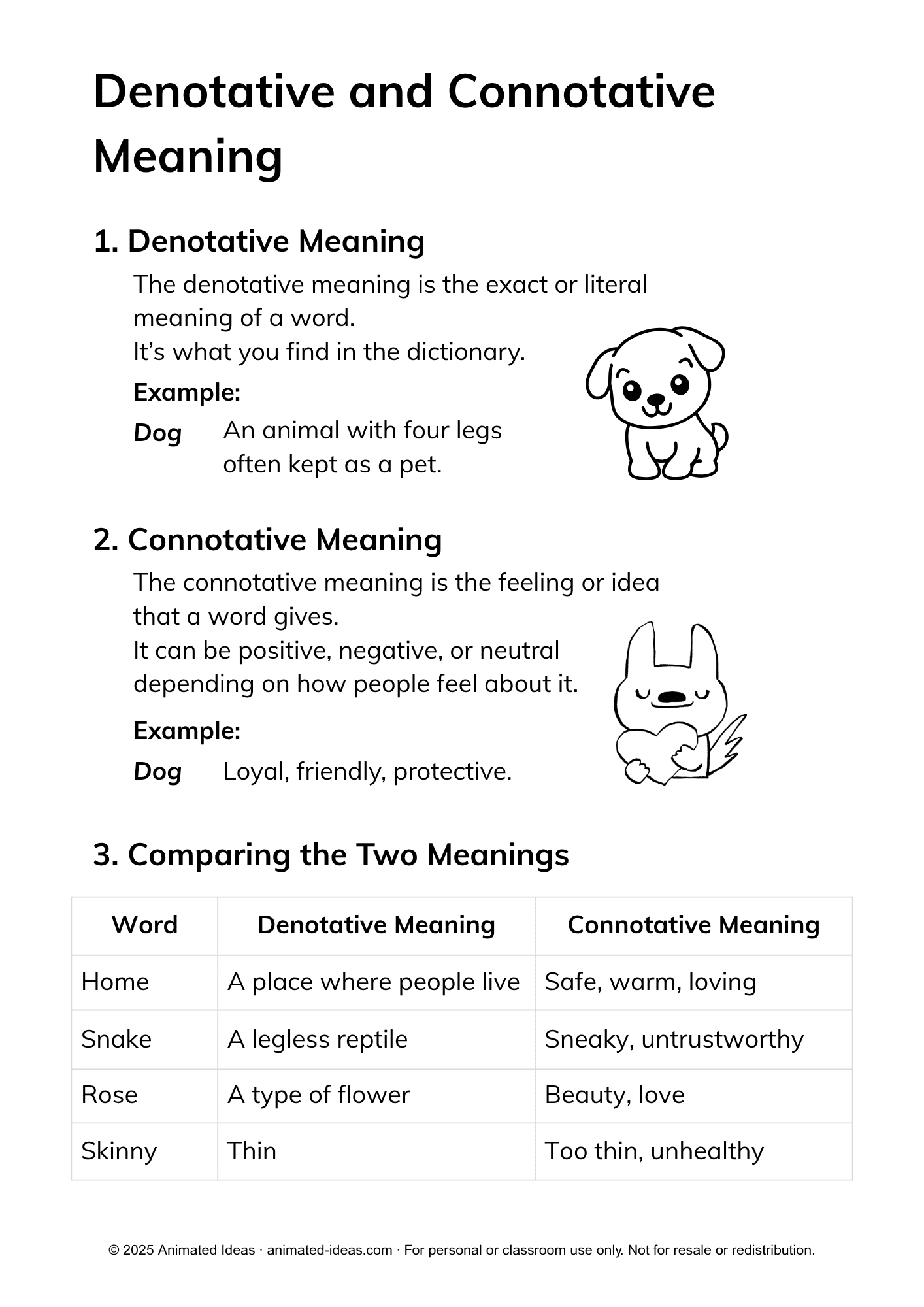
The denotative meaning of a word is its exact, dictionary meaning. It tells us what the word literally means without adding any feelings or emotions. It is the literal or true meaning that you can find in a dictionary.
📘 In simple words:
Denotative = dictionary meaning
Example 1
Word: Dog
- Denotative meaning: A four-legged animal that is often kept as a pet.
The word dog simply means an animal. That’s its denotative meaning.
Example 2
Word: Snake
- Denotative meaning: A long, legless reptile.
In the dictionary, a snake is just a reptile. Nothing more. That is the denotative meaning.
🟢 Remember: The denotative meaning does not show how people feel about the word. It is only what the word really is.
What Is Connotative Meaning?
The connotative meaning of a word is the feeling or idea that the word gives beyond its dictionary definition. It can be positive, negative, or neutral, depending on how people feel about it or how it is used in a sentence.
📘 In simple words:
Connotative = feeling or emotion meaning
Example 1
Word: Dog
- Denotative meaning: A four-legged animal kept as a pet.
- Connotative meaning: Loyal, friendly, protective.
When people think of a dog, they often feel positive emotions — warmth, love, and loyalty.
Example 2
Word: Snake
- Denotative meaning: A legless reptile.
- Connotative meaning: Sneaky, dangerous, untrustworthy.
Even though a snake is just an animal, many people feel afraid of it or think it represents someone who cannot be trusted. That’s the connotative meaning.
Comparing Denotative and Connotative Meaning
| Word | Denotative Meaning (Dictionary) | Connotative Meaning (Feeling or Idea) |
|---|---|---|
| Home | A place where people live | Warm, safe, loving, comfortable |
| Childish | Like a child | Immature or silly (negative) |
| Childlike | Like a child | Innocent, curious (positive) |
| Cheap | Low in price | Poor quality (negative) |
| Slim | Thin or slender | Attractive, healthy (positive) |
| Skinny | Thin | Too thin or unhealthy (negative) |
🟡 Tip:
When you want to describe something nicely, choose a word with a positive connotation. For example, instead of saying skinny, you can say slim.
Why Is It Important to Know the Difference?
Knowing the difference between denotative and connotative meaning helps you:
- Understand texts better.
- You can know what the author really means, not just what the words say.
- Choose the right words.
- You can pick words that match your feeling or message.
- Avoid misunderstandings.
- Some words sound fine in the dictionary but can sound rude or mean in real life.
📘 Example:
- Sentence A: “She looks slim in her new dress.” → Positive, polite.
- Sentence B: “She looks skinny in her new dress.” → Negative, might sound insulting.
Both words mean “thin,” but one sounds kind, and the other sounds rude. That’s why word choice is very important.
How to Identify Denotative and Connotative Meaning
You can follow these three simple steps:
- Find the literal meaning — What does the word really mean in the dictionary?
- Think about how the word feels — Does it sound happy, sad, scary, rude, or kind?
- Look at the sentence — How is the word used? Sometimes, the sentence helps you know whether the word feels positive or negative.
Example
Sentence: “The rose in her hand was bright red.”
- Denotative: A rose is a type of flower.
- Connotative: A rose can symbolize love or romance.
More Examples in Sentences
Word: House
- Denotative: A building where people live.
- Connotative: May not sound warm or cozy.
- Example: “They just moved into a big house.”
Word: Home
- Denotative: A place where a person lives.
- Connotative: Warm, safe, and full of love.
- Example: “I can’t wait to go home after school.”
Word: Crowd
- Denotative: A large group of people.
- Connotative: Can feel noisy, chaotic, or uncomfortable.
- Example: “The crowd at the concert was too loud.”
Word: Friend
- Denotative: A person you like and spend time with.
- Connotative: Someone who is loyal, kind, and caring.
- Example: “My friend helped me when I was sad.”
Visual Guide
| Denotative Meaning | Connotative Meaning |
|---|---|
| Dictionary meaning | Feeling or idea a word gives |
| Literal and exact | Emotional or suggestive |
| Found in dictionary | Based on personal or cultural experience |
| Example: “Snake” = reptile | “Snake” = untrustworthy person |
Summary
Let’s review what you learned:
- Denotative meaning is the dictionary or literal meaning of a word.
- Connotative meaning is the feeling or idea that a word gives.
- Some words can have the same denotative meaning but different connotative meanings.
- Knowing both helps you understand words deeply and choose them wisely.
🟢 Example to remember:
- Denotative: Rose = a flower.
- Connotative: Rose = love or beauty.
Key Takeaways
- Words can mean more than what the dictionary says.
- Always think about the feeling a word creates.
- The denotative meaning tells what it is, and the connotative meaning tells how it feels.
- Smart writers and speakers use both meanings to express their ideas clearly.
Understanding denotative and connotative meaning helps readers become more confident and effective in using words. When you know the difference between a word’s exact meaning and its emotional or suggested meaning, you can communicate more clearly and choose words that create the right impact. If you want a simple and engaging explanation, don’t forget to watch the video lesson below—it will help you visualize the concept and strengthen your understanding even more. Keep exploring the power of words and how they shape the way we communicate!
💡 For updates and free resources, follow us:
📺 YouTube: Animated Ideas
📘 Facebook Page: Animated Ideas
📌 Pinterest: Animated Ideas
Thank you for reading!