

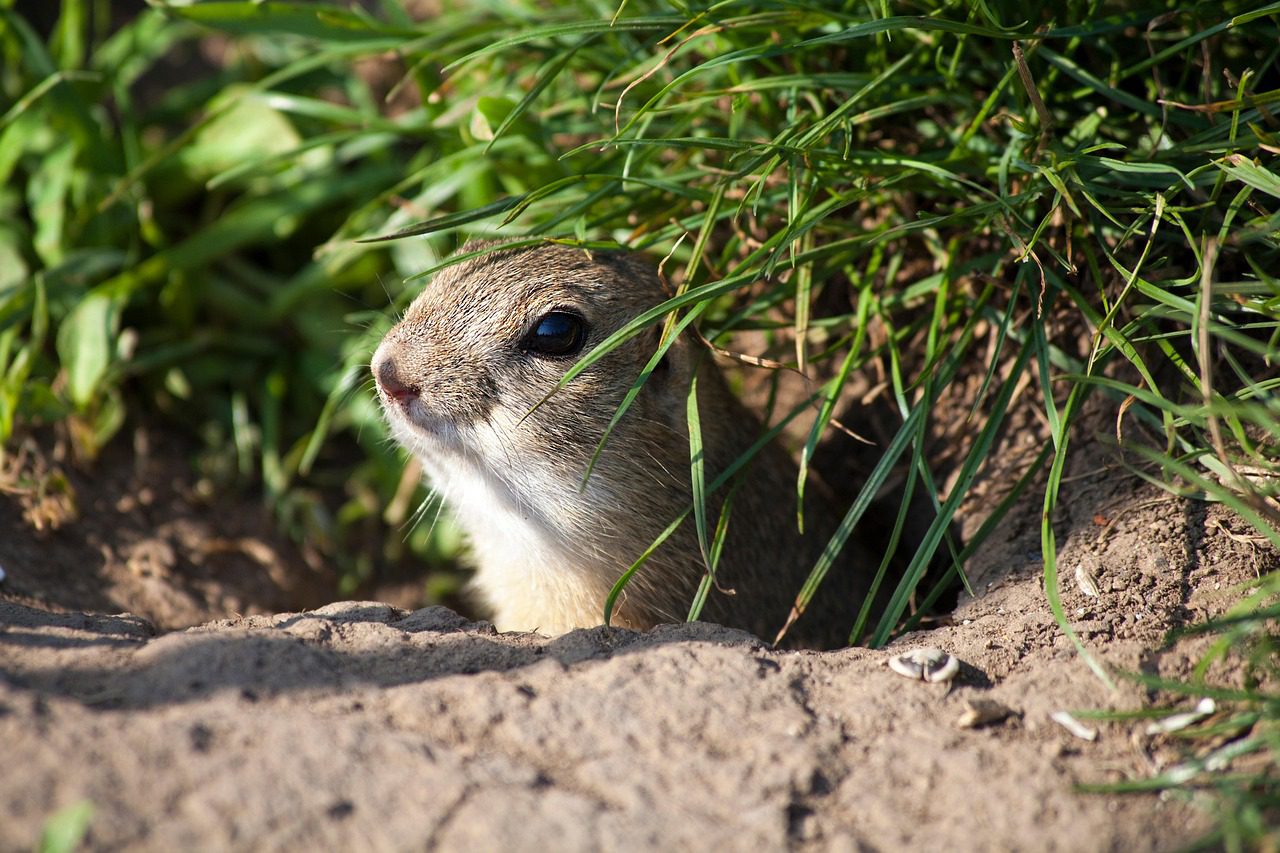
How Animal Homes Support Animal Survival
Introduction
Animals need more than food and water. They also need a safe place to live, and these shelters are called animal homes or habitats. Animal homes protect animals from predators, harsh weather, and provide a safe space to raise their young.
Understanding these shelters helps children and adults see how creatures survive in nature. This guide explains the different types, how they support survival, and why they matter.
What Are Animal Homes?
An animal home is the shelter an animal uses for protection, rest, and raising babies. Different animals have different types of homes depending on their needs and environment.
Common types include:
- Nests — built by birds and some small mammals using twigs, grass, or leaves
- Hives — created by bees and some insects for community living
- Burrows — tunnels dug underground by rabbits, foxes, or moles
- Caves — natural shelters used by bears, bats, and other large animals
- Webs — silk structures made by spiders for protection and trapping prey

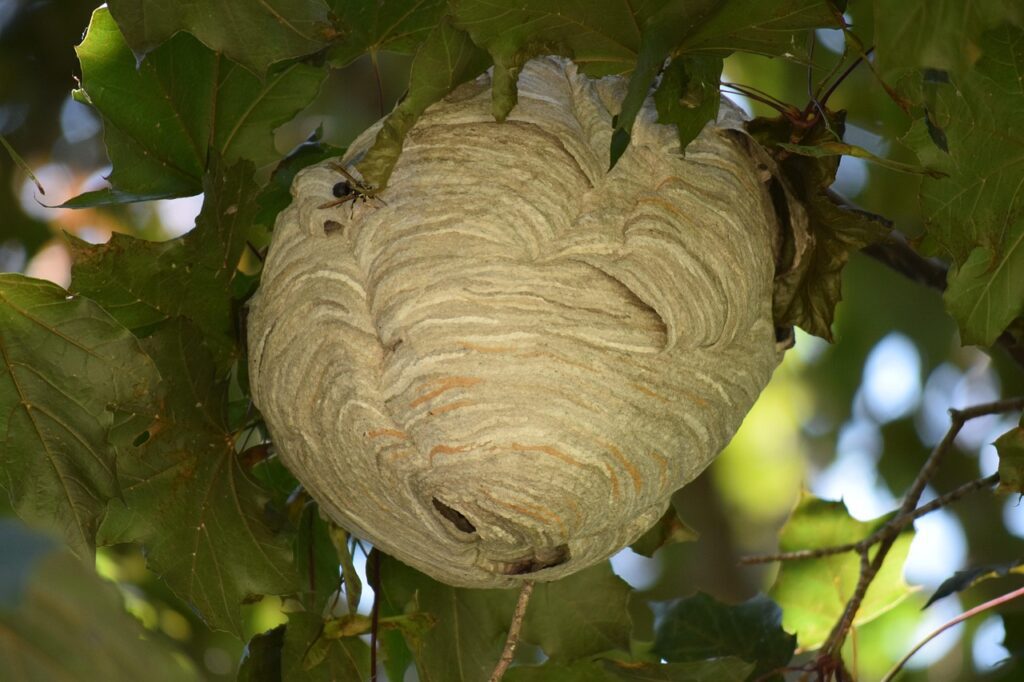
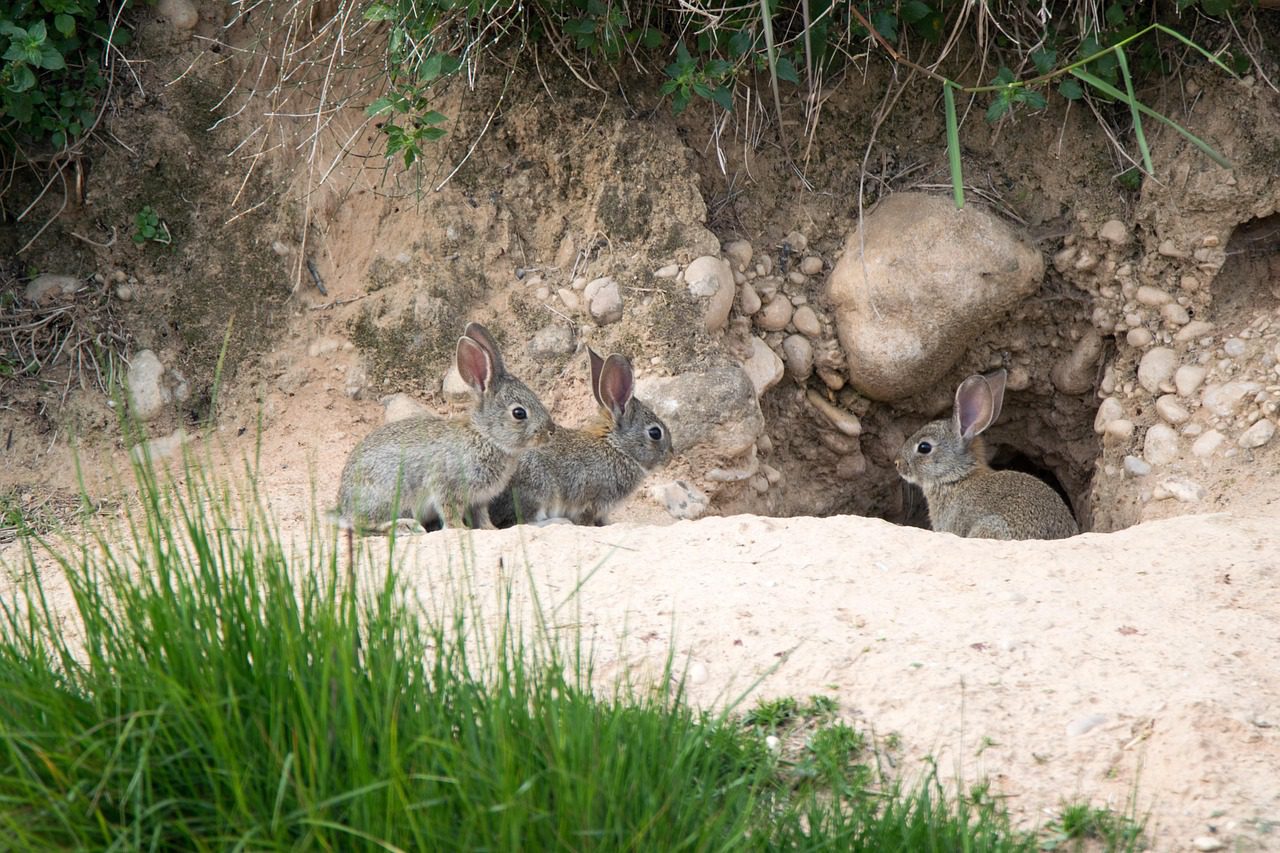

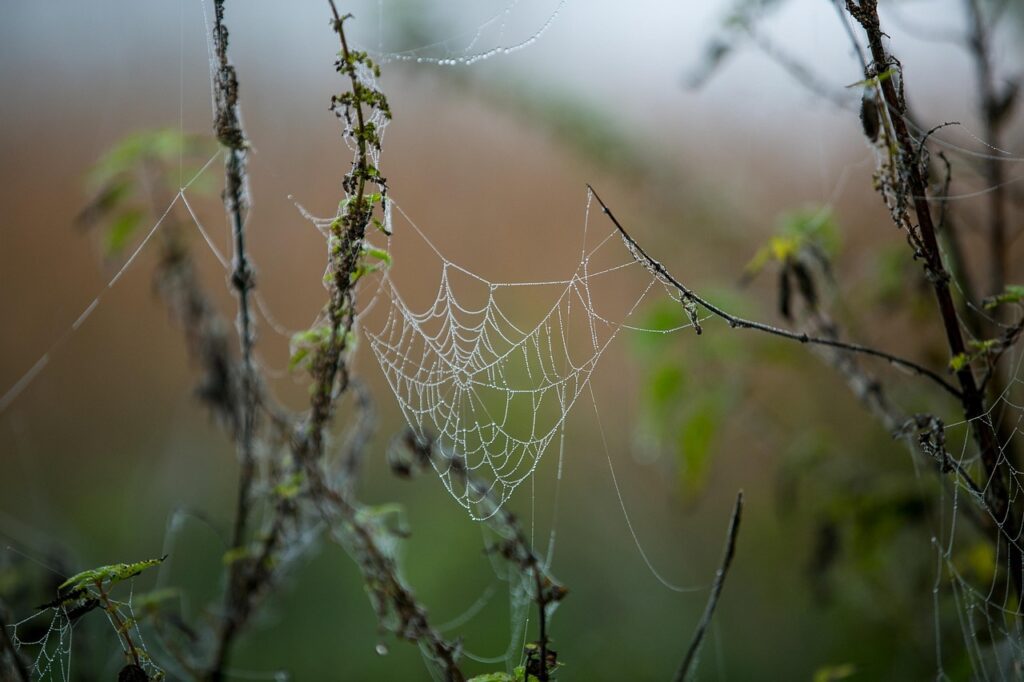
Each home type ensures the animal’s safety and survival. It also supports reproduction and provides resources for growth.
How Animal Homes Support Survival
Animal homes serve essential survival functions:
- Protection from predators — Dens, burrows, and caves hide animals from danger.
- Shelter from weather — Homes protect from rain, snow, wind, and extreme heat.
- Raising young — Homes provide a safe place for babies to grow.
- Food storage — Some animals use their homes to store food, such as squirrels.
- Community support — Certain species, like bees, live in hives for collaboration and survival.
By understanding these functions, we see that homes are not just shelters—they are critical for life.
Why Animal Homes Are Important in Nature
These shelters play a crucial role in keeping ecosystems healthy and balanced. They are not just “places to live”—they are essential for the survival of many species. They help maintain biodiversity, protect wildlife, and support the natural cycles that keep our environment strong.
1. Animal Homes Maintain Biodiversity
Every species, from insects to large mammals, depends on a safe space where it can survive and thrive. By providing shelter, food sources, and a place for animals to rest, homes help different species stay alive. When animals have proper habitats, ecosystems become richer and more diverse.
2. They Protect Young Animals and Support Population Growth
Many animals use their homes to raise their young. Nests, dens, burrows, and hives protect baby animals from predators, extreme weather, and other dangers. Without these safe spaces, many species would struggle to grow their populations.
3. Animal Homes Show Adaptation to the Environment
Animal homes are amazing examples of how species adapt to their surroundings. Birds build nests using twigs and leaves, bees create hives with perfect structure, and rabbits dig burrows underground. These homes help animals stay warm, avoid predators, and manage daily survival needs.
4. Homes Help Animals Find Food and Stay Safe
Many animals use their homes as storage areas for food or as hiding places during hunting or resting. Homes keep animals safe from predators and harsh weather, allowing them to conserve energy and survive longer.
What Happens When Animals Lose Their Homes?
When habitats are destroyed by deforestation, pollution, or climate change, animals are placed at great risk. They may struggle to find shelter, food, or safe places to raise their young. This leads to a drop in population numbers and can even cause species to become endangered.
Why Studying Animal Homes Matters
Understanding animal homes helps scientists and conservationists protect wildlife. By learning how animals build and use their homes, humans can create better conservation programs, protect natural habitats, and support ecosystem health.
How Studying Animal Homes Benefits Children
Learning about animal homes offers many powerful benefits for young learners. It helps children understand nature, think critically, and build early science skills in a fun and engaging way. Exploring animal homes—such as nests, burrows, dens, and hives—also makes kids more curious about the world around them. Below are the key ways children grow when they study how animals build and use their homes.
1. Improves Observation Skills
When children look closely at animal homes, they begin noticing details they might normally overlook. They learn to observe shapes, materials, and locations, such as how birds use twigs for nests or how bees create perfectly shaped hives. This sharpens their ability to pay attention to patterns, textures, and behaviors in nature.
2. Encourages Critical Thinking
Studying animal homes helps kids ask meaningful questions like, “Why does this animal live here?” or “How does this home keep them safe?” These questions help children understand the connection between an animal’s needs and the type of home it builds. It strengthens their problem-solving skills and helps them think deeper about survival and adaptation.
3. Builds Vocabulary and Language Skills
Children are introduced to useful science words such as habitat, den, burrow, nest, and hive. Learning this vocabulary early helps them describe the world more accurately and confidently. These words also help improve reading comprehension and communication in science-related topics.
4. Develops Empathy and Respect for Nature
Understanding why animals need safe homes encourages children to care more about wildlife. When kids see how animal homes protect babies, store food, and provide shelter, they become more aware of the importance of protecting nature. This builds empathy and a sense of responsibility toward animals and the environment.
5. Strengthens Early Science Concepts
Animal homes introduce children to important science ideas such as ecosystems, adaptation, and biodiversity. These concepts become easier to understand when kids can see real examples of how animals survive in their natural habitats. This early exposure builds a strong foundation for future lessons in biology and environmental science.
Conclusion
Animal homes are essential for survival. They protect, feed, shelter, and support animals. Understanding different homes helps us appreciate biodiversity and ecosystems. Children who learn about animal homes develop observation, empathy, and early science knowledge.
Thank you for reading this lesson guide about How Animal Homes Support Animal Survival. Explore nature, watch wildlife, and encourage curiosity in young learners.