
Liquid
A liquid is one of the three main states of matter. The other two states are solids and gases. Liquids are special because they can flow and take the shape of the container they are in. Unlike solids, liquids do not have a fixed shape, but they keep a fixed volume, which means the amount of liquid stays the same.
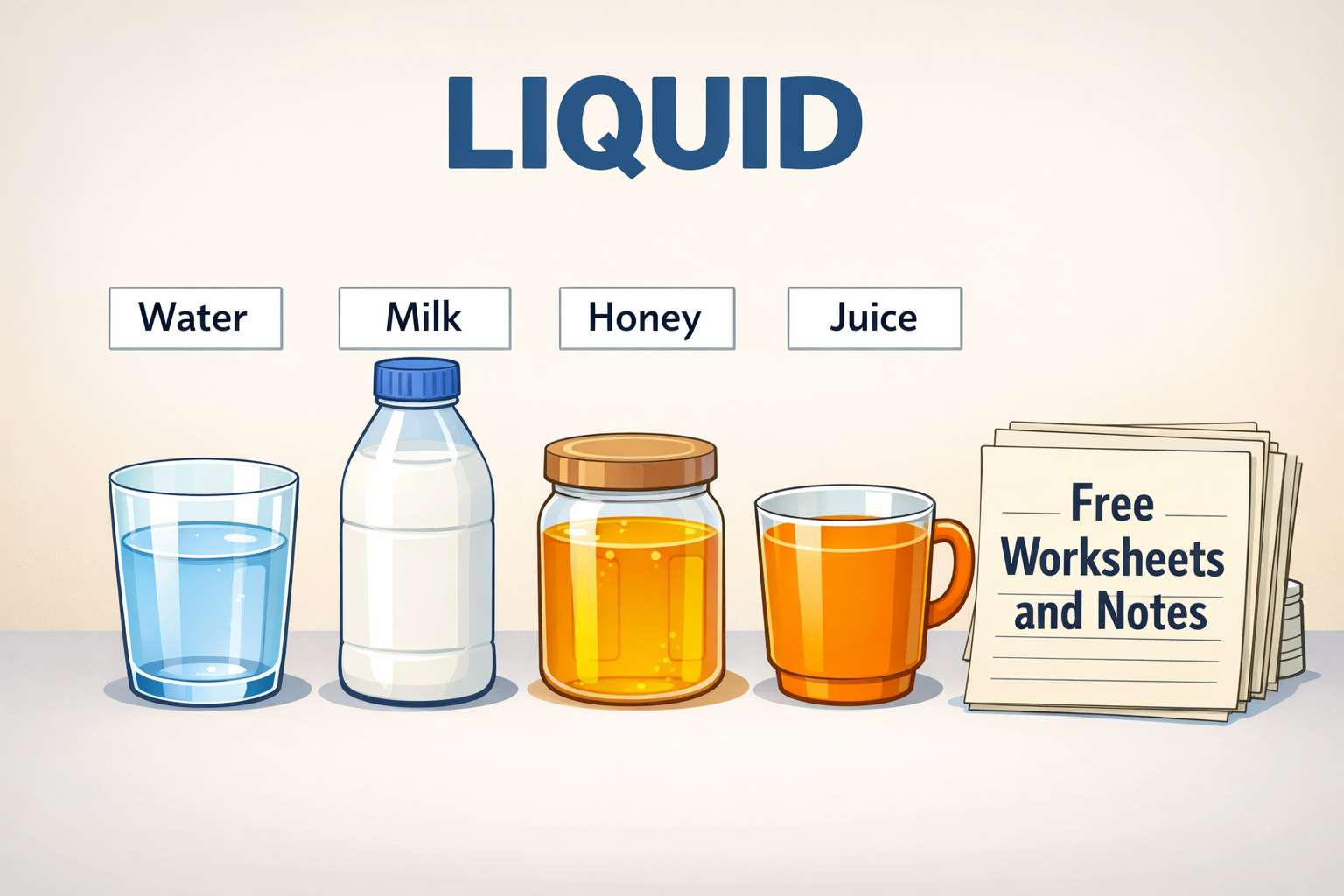
In daily life, liquids are everywhere. For example, we use water, juice, milk, and oil every day. Learning about liquids helps us understand how substances move and change, and it also shows the science behind the world around us.
Download Free Worksheets and Notes on Liquid
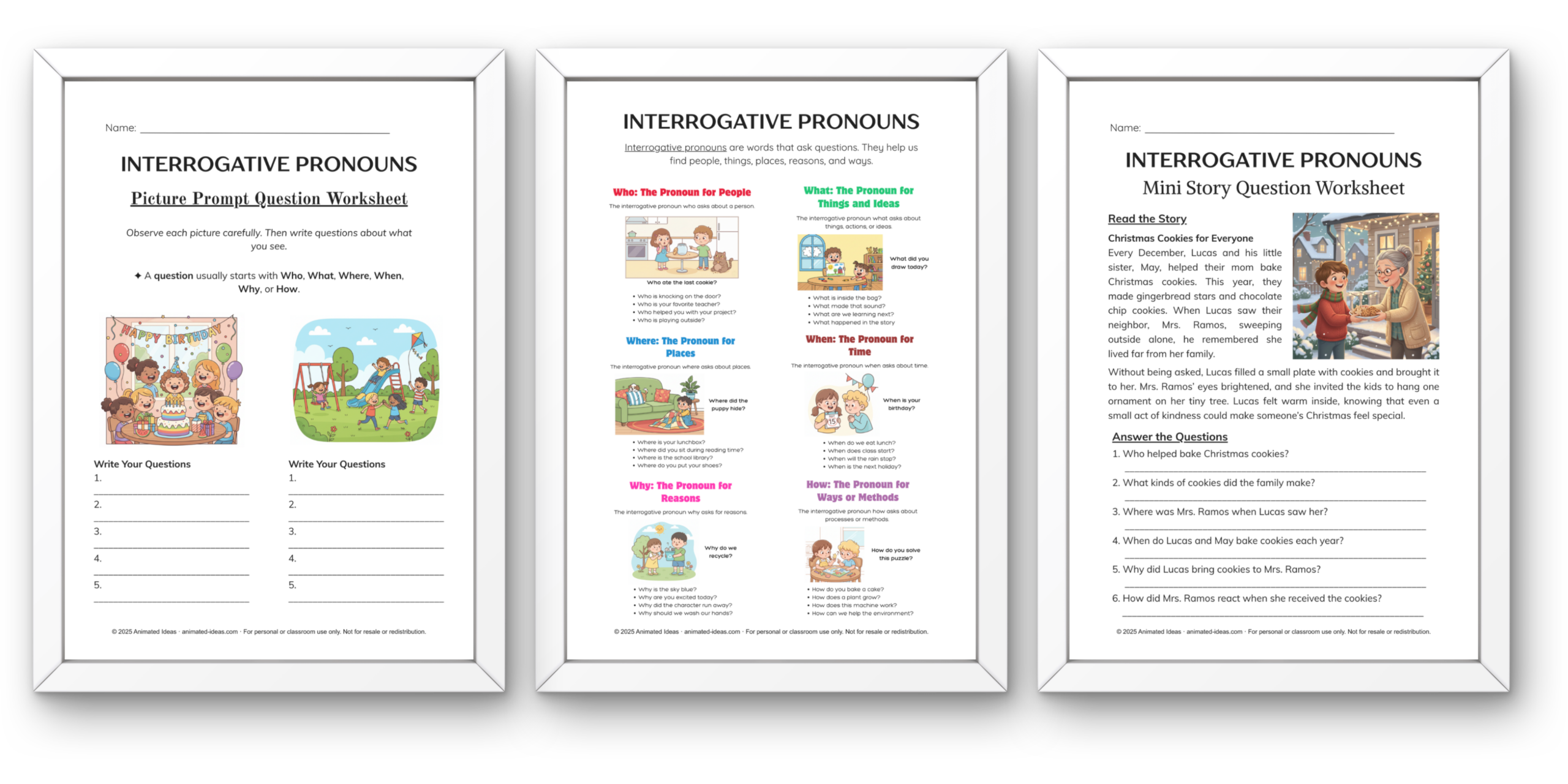
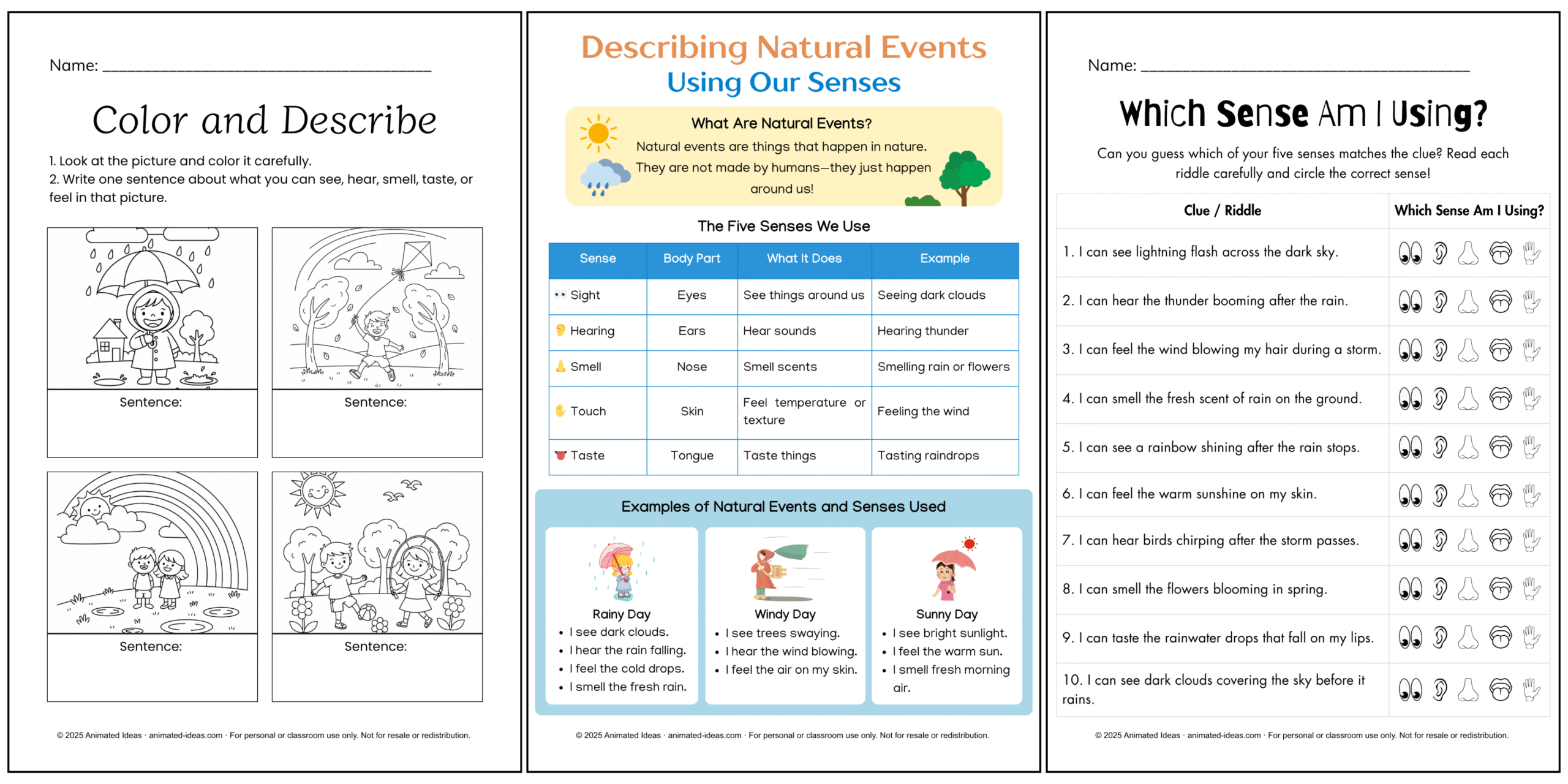
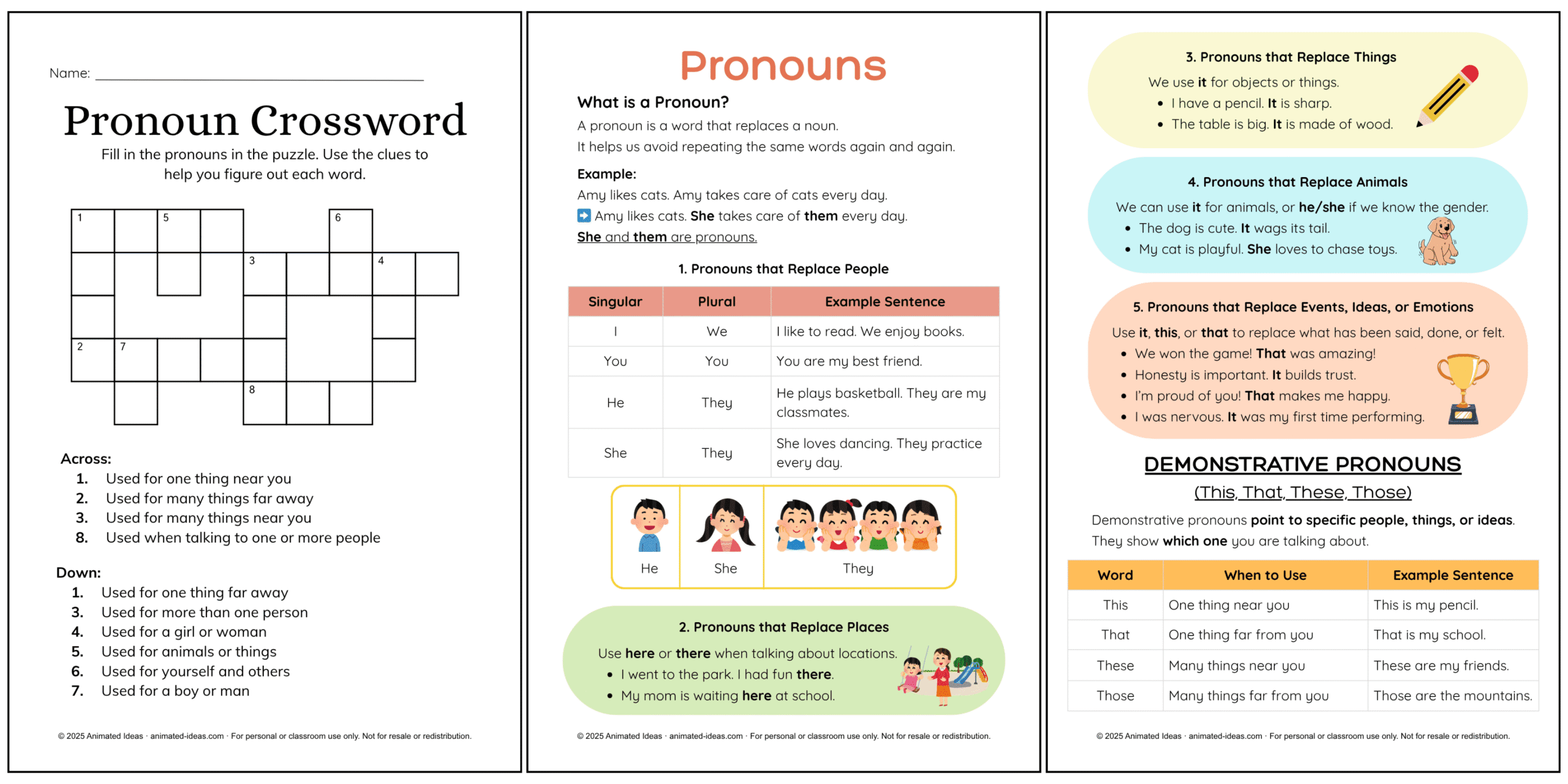
We offer free worksheets and notes on liquids for 3rd-grade students. These resources help:
- Reinforce understanding of liquid properties
- Identify examples of liquids in daily life
- Compare liquids based on flow, volume, and viscosity
- Prepare for classroom science lessons

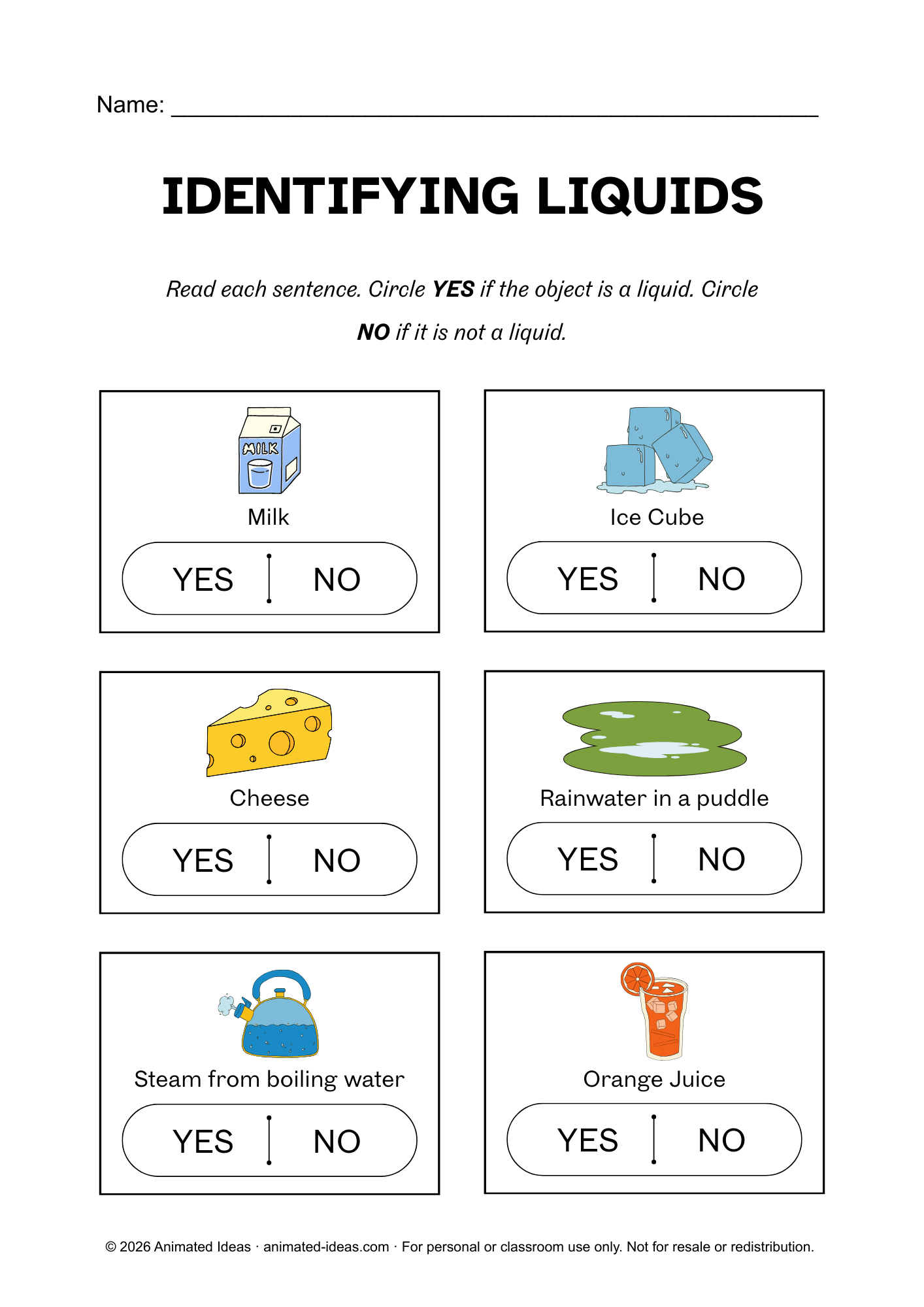
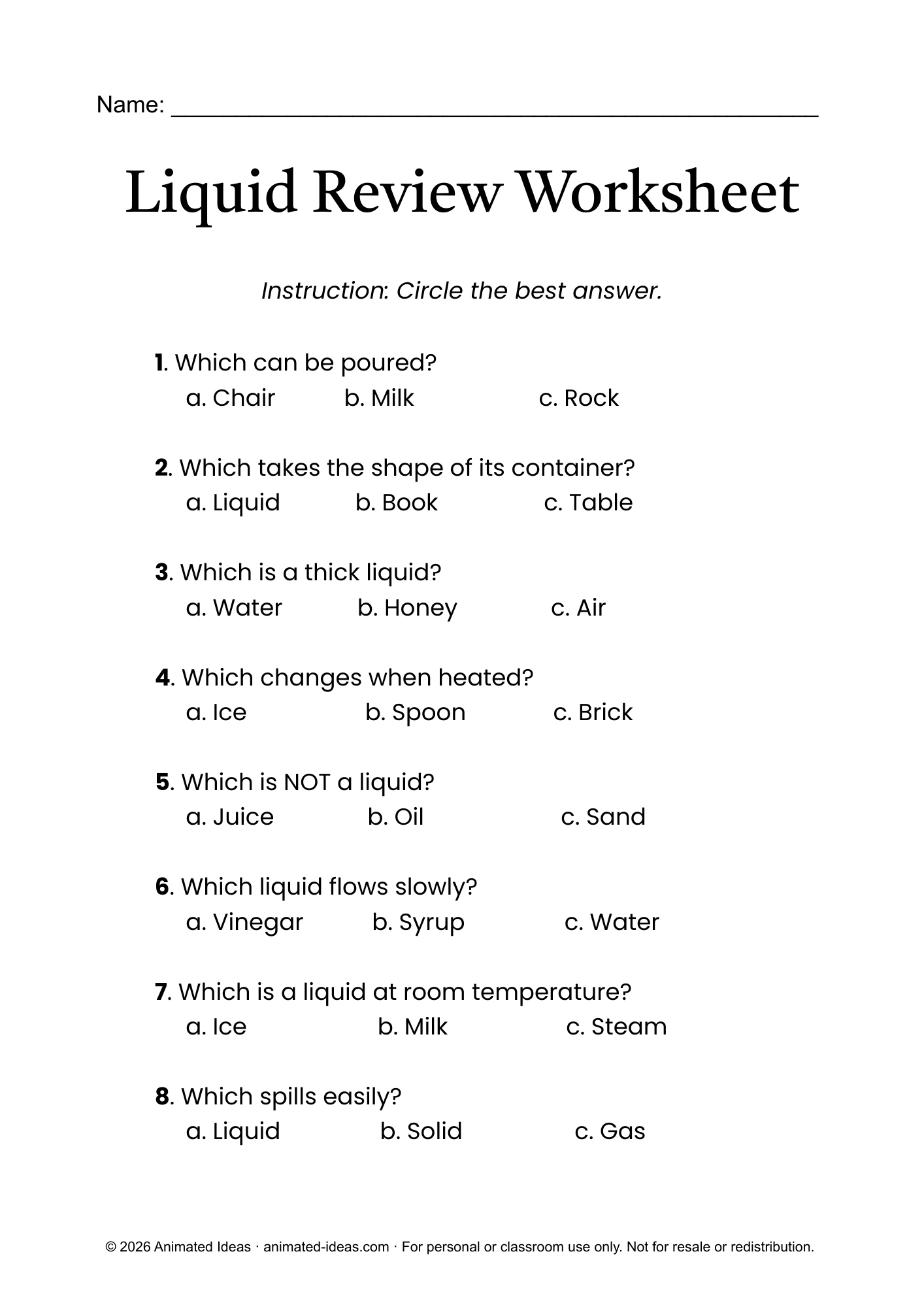
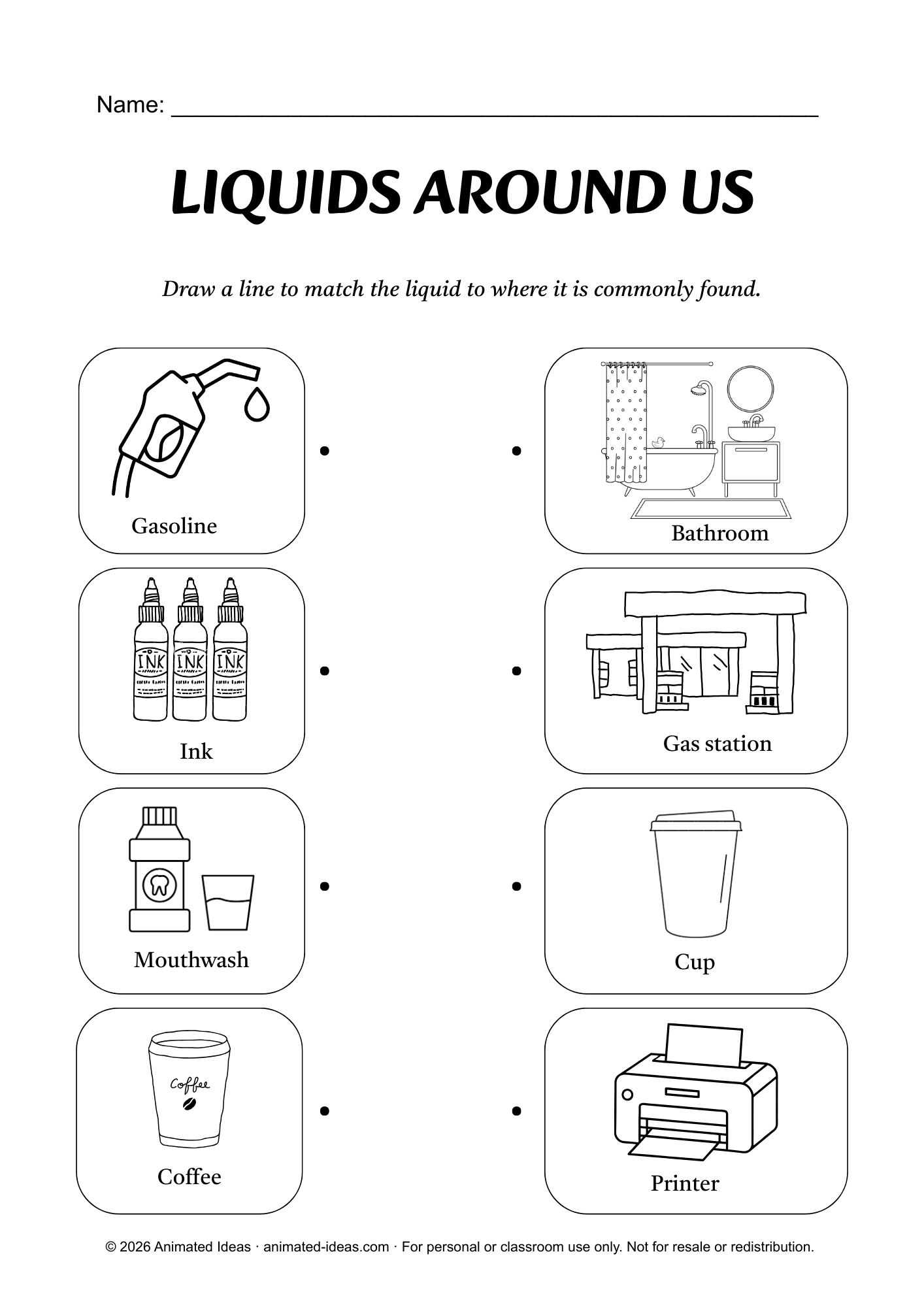
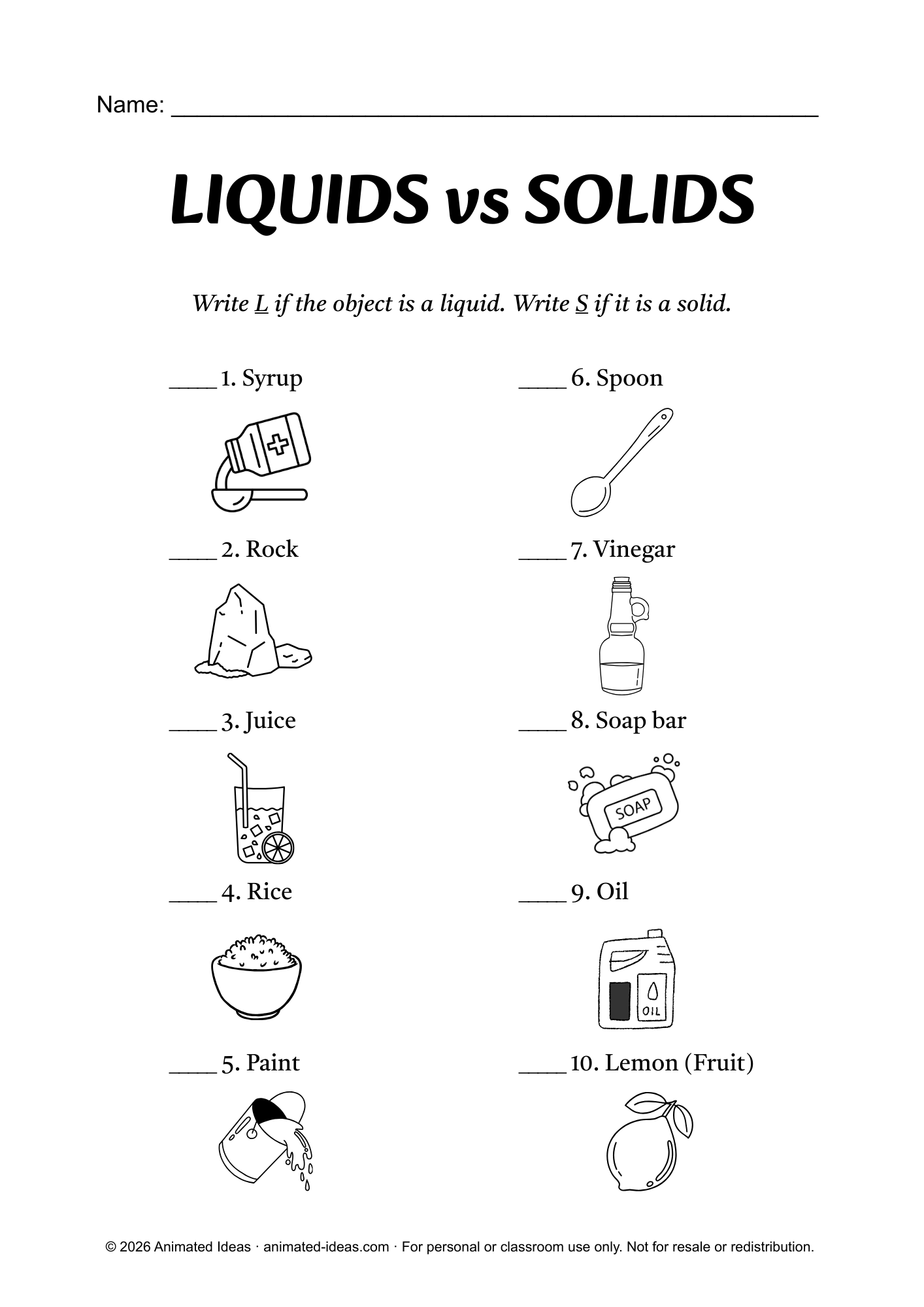
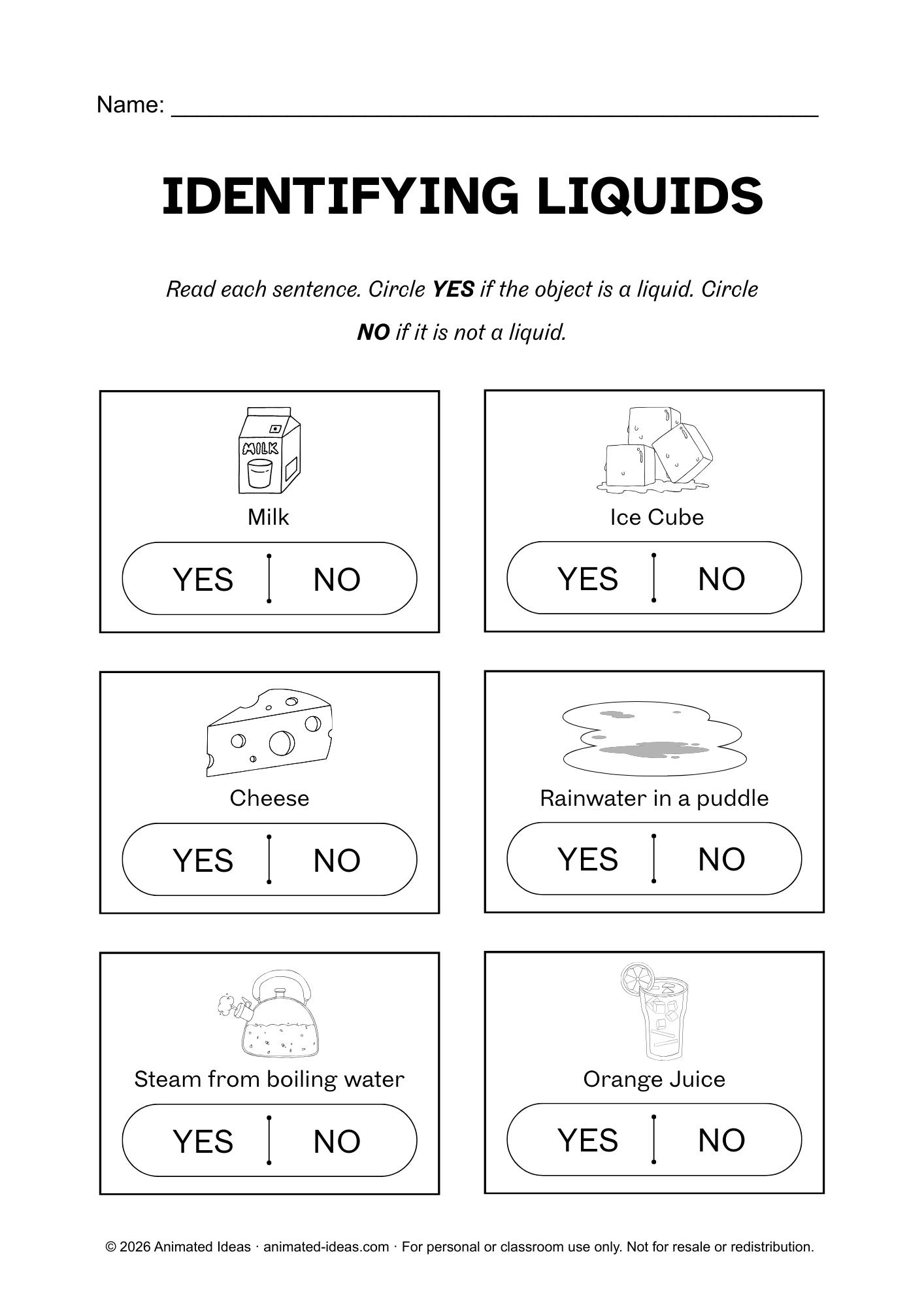
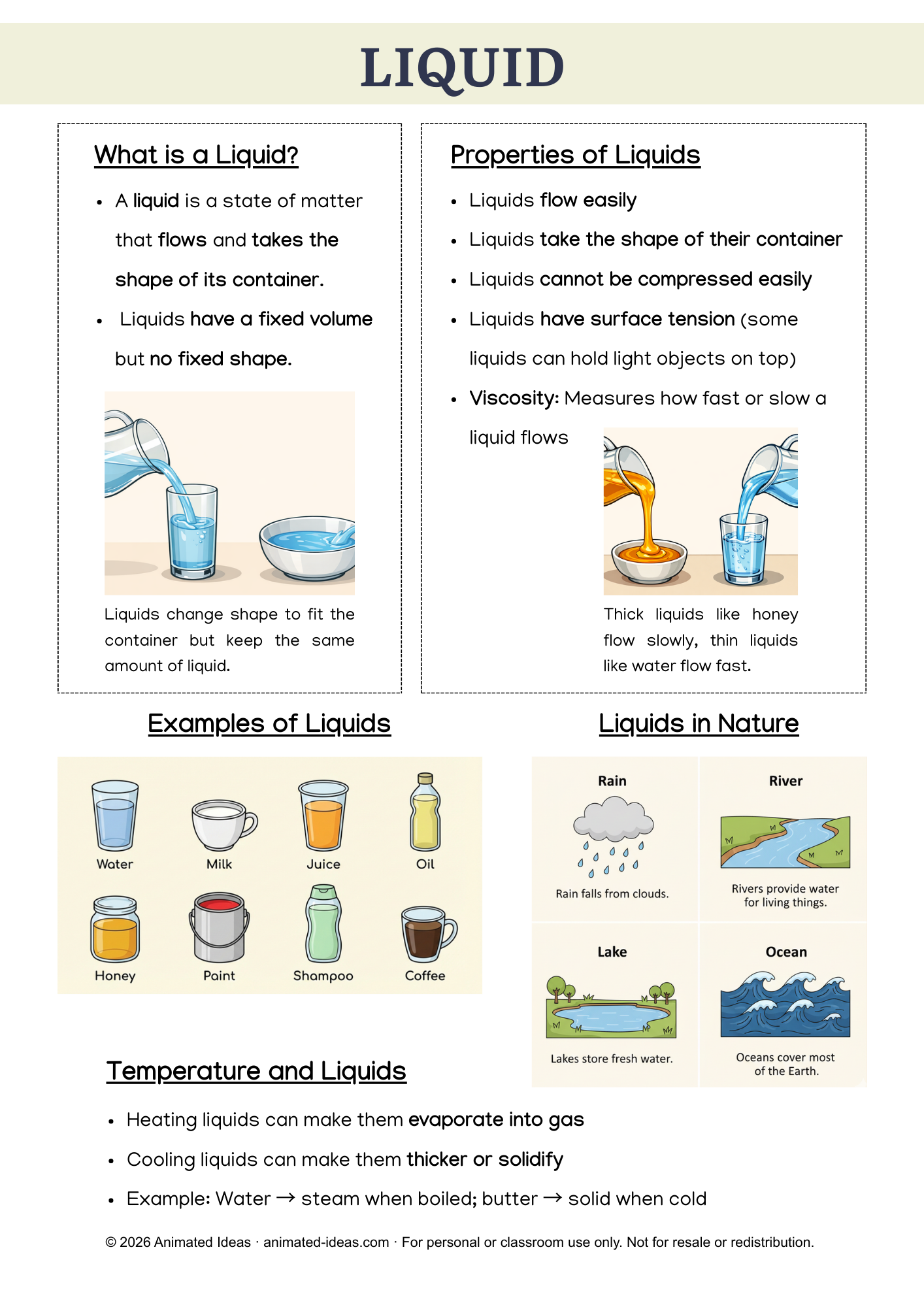
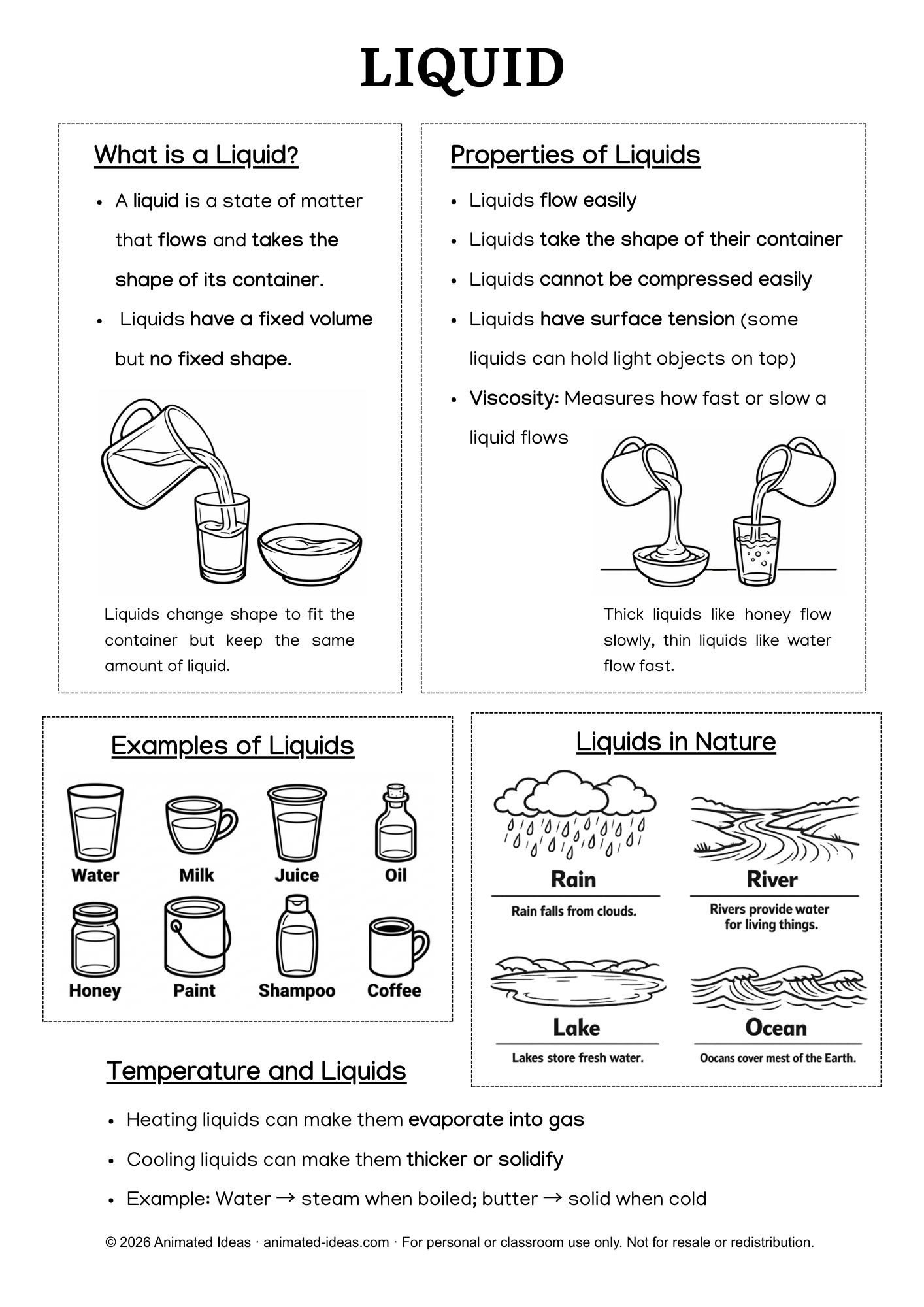
These worksheets are perfect for teachers, parents, and learners. They show colorful illustrations, explain concepts in simple words, and provide exercises for students to practice what they learn in this lesson.
Properties of Liquid: Key Features to Know
Liquids have special properties that make them different from solids and gases. Here are the main properties:
1. Liquids Have No Fixed Shape
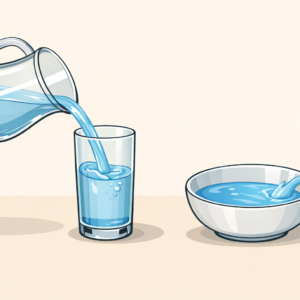
Unlike solids, liquids do not have a set shape. They adapt to the container they are in. For example, if you pour water into a bowl, it takes the shape of the bowl. Pour it into a bottle, and it will take the bottle’s shape.
2. Liquids Have a Fixed Volume
Even though liquids change shape, the volume stays the same. A cup of water will always be the same amount of water whether in a bowl or a bottle. This is important in measuring liquids in science experiments and in cooking.
3. Liquids Flow
Liquids can move from one place to another. This property is called fluidity. Water flowing in a river or juice poured into a glass shows this. Unlike solids, liquids move easily.
4. Surface Tension
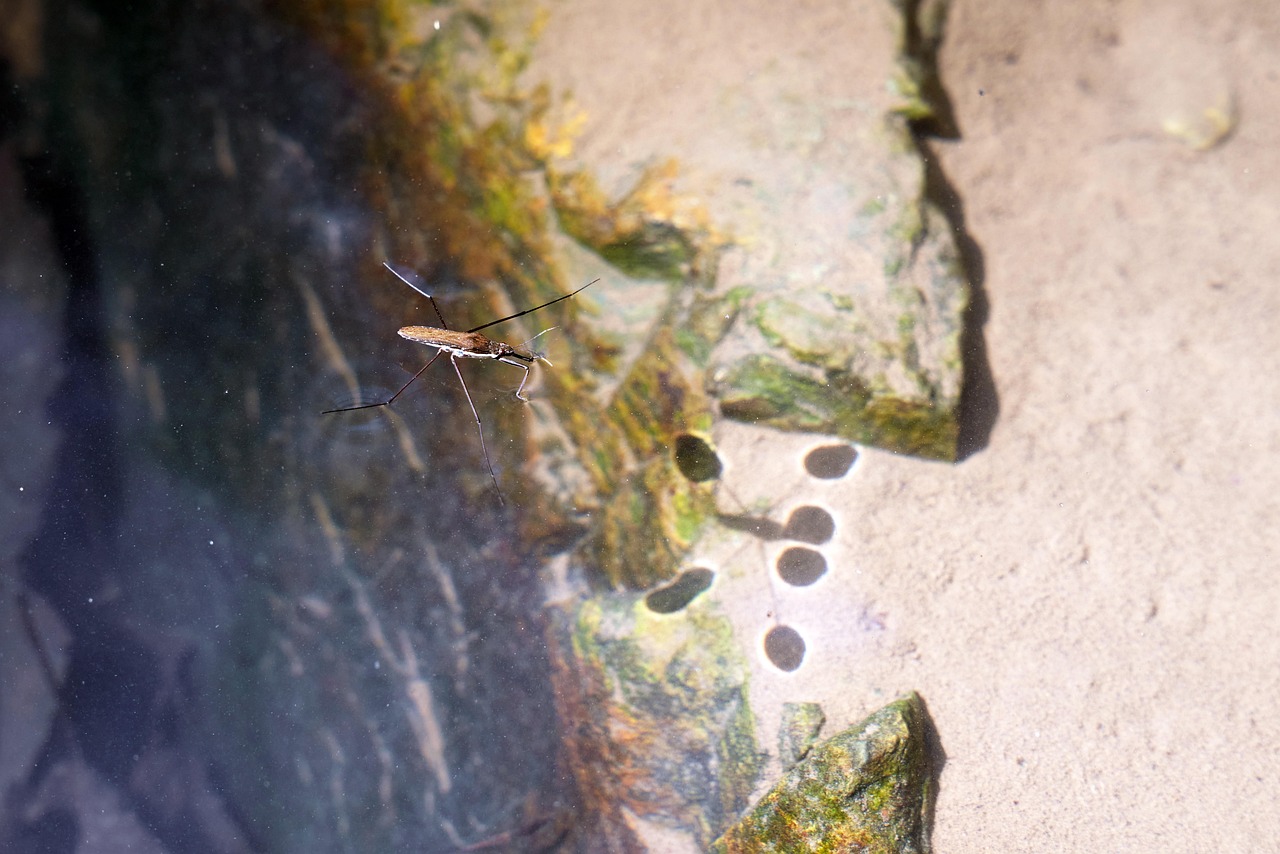
Some liquids, such as water, have a special property called surface tension. Surface tension happens at the top layer of the liquid. It forms a very thin and invisible “skin” on the surface of the water. This thin layer helps hold the water together.
Because of surface tension, very light objects can float or stay on top of the water instead of sinking right away. Some small insects can even walk on water. A good example is the water strider. Its long, light legs spread its weight, so the surface of the water does not break.
Surface tension is important in nature. It helps small insects move on water and shows that liquids have special properties we cannot always see.
5. Viscosity
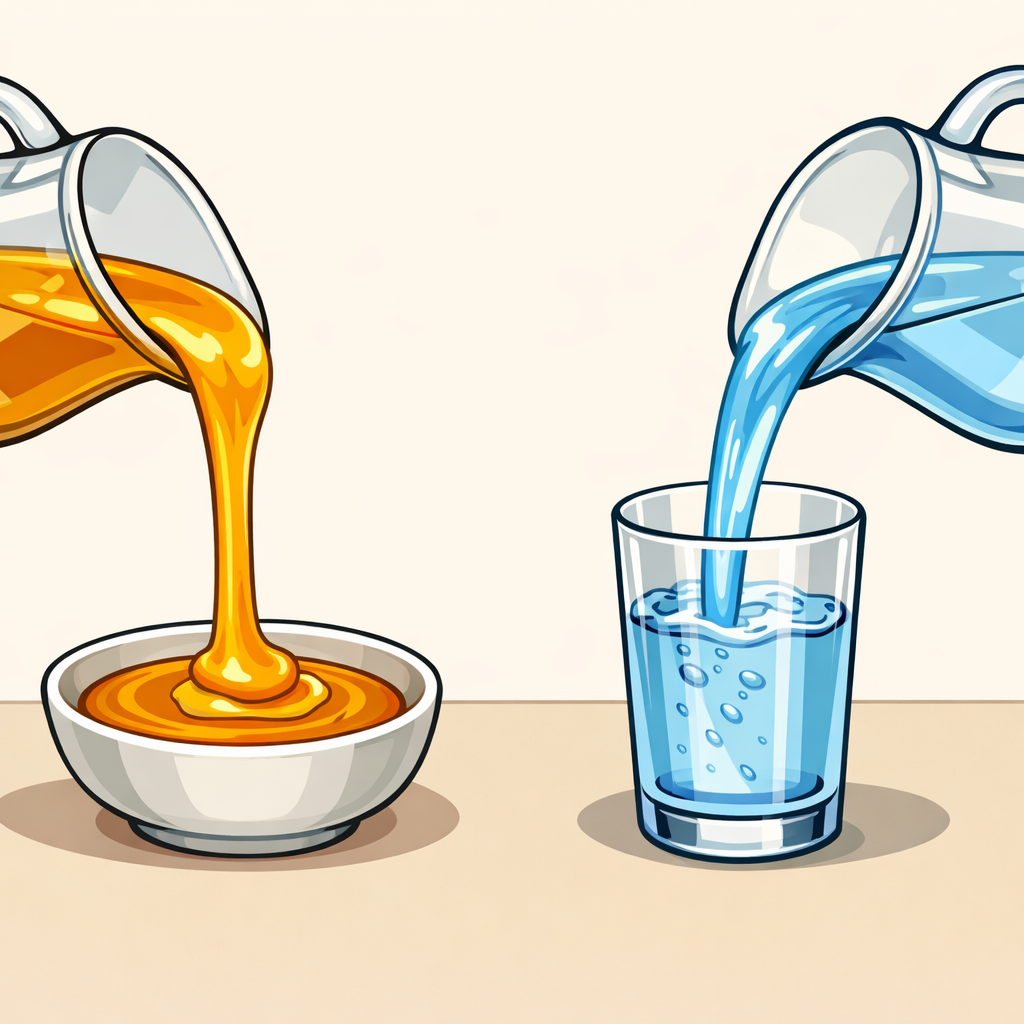
Viscosity is a property that tells us how thick or thin a liquid is. It also tells us how fast or slow a liquid can flow. Some liquids move very slowly, while others move very quickly.
Liquids with high viscosity are thick and flow slowly. For example, honey is thick, so it moves very slowly when you pour it. Liquids with low viscosity are thin and flow quickly. Water is thin, so it pours and moves fast.
Viscosity is important in our daily life. It helps us understand why some liquids are easy to pour and others are not. For example, syrup flows slower than water, and cooking oil flows faster than honey. This shows that different liquids have different viscosities.
Examples of Liquid: Common Liquids in Daily Life
Understanding liquids is easier when we look at things we use every day. Liquids are found at home, in school, and in nature. A liquid can flow, be poured, and take the shape of its container.
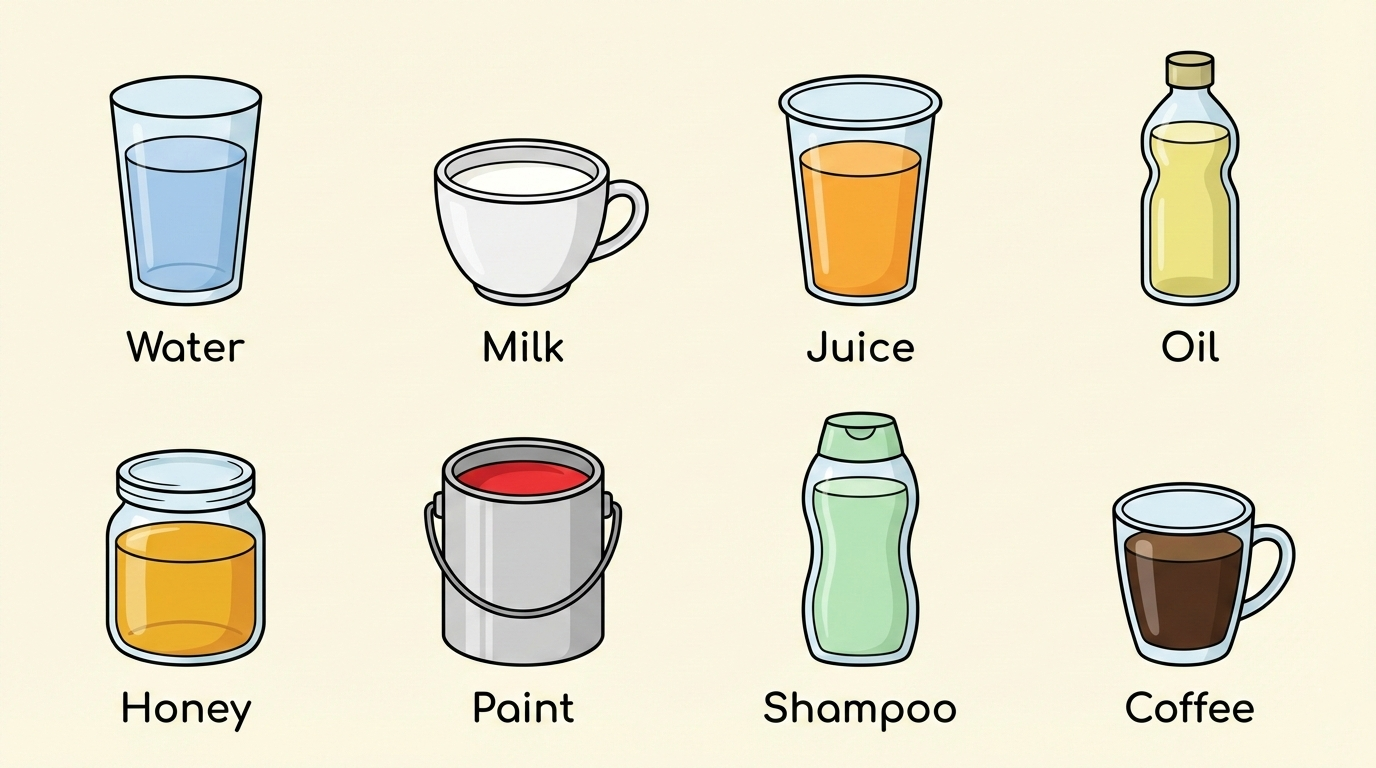
1. Water
Water is the most common liquid. All living things need water to survive. People drink water every day. We also use it for washing, cleaning, and cooking. Water flows easily and takes the shape of any container, such as a glass or bottle. At room temperature, water stays in liquid form.
2. Milk
Milk is a liquid that many people drink every day. It can come from cows, goats, or plants like soy and almonds. Milk flows smoothly and can be poured into a glass or bowl. It also takes the shape of its container, just like other liquids.
3. Juice
Juice is a liquid made from fruits. Common types include orange juice, apple juice, and grape juice. Juice flows easily when poured and fills a cup. Like other liquids, it changes shape depending on the container.
4. Oil
Cooking oil is a liquid used to prepare food. Oil looks different from water and feels slippery. It flows more slowly than water. Oil can float on water because it is less dense, which means it is lighter than water.
5. Honey
Honey is a thick liquid. It flows very slowly when poured because it has high viscosity. Honey is sticky and takes a long time to move from one container to another.
6. Paint
Paint is a liquid used to color walls, paper, or objects. It can be thick or thin, depending on how it is made. Paint flows when poured and spreads easily when brushed.
7. Shampoo
Shampoo is a liquid used to clean hair. It is thicker than water but thinner than honey. Shampoo flows when squeezed out of the bottle and takes the shape of the container.
8. Coffee
Coffee is a liquid drink made from coffee beans and water. It is usually hot when served. Coffee also flows easily and can be poured into cups or mugs.
How Temperature Affects Liquid
Temperature changes how liquids behave. When a liquid gets hot, its particles move faster. This makes the liquid expand, or take up more space. Heat can also cause some liquids to evaporate and turn into gas. For example, when we boil water, it changes into steam.
When a liquid gets cold, its particles move more slowly. The liquid becomes thicker and harder to pour. In very cold temperatures, some liquids turn into solids. For example, cold weather can make oil thick or solid.
These changes show that temperature affects how liquids move and change form.
Liquid in Nature and Environment
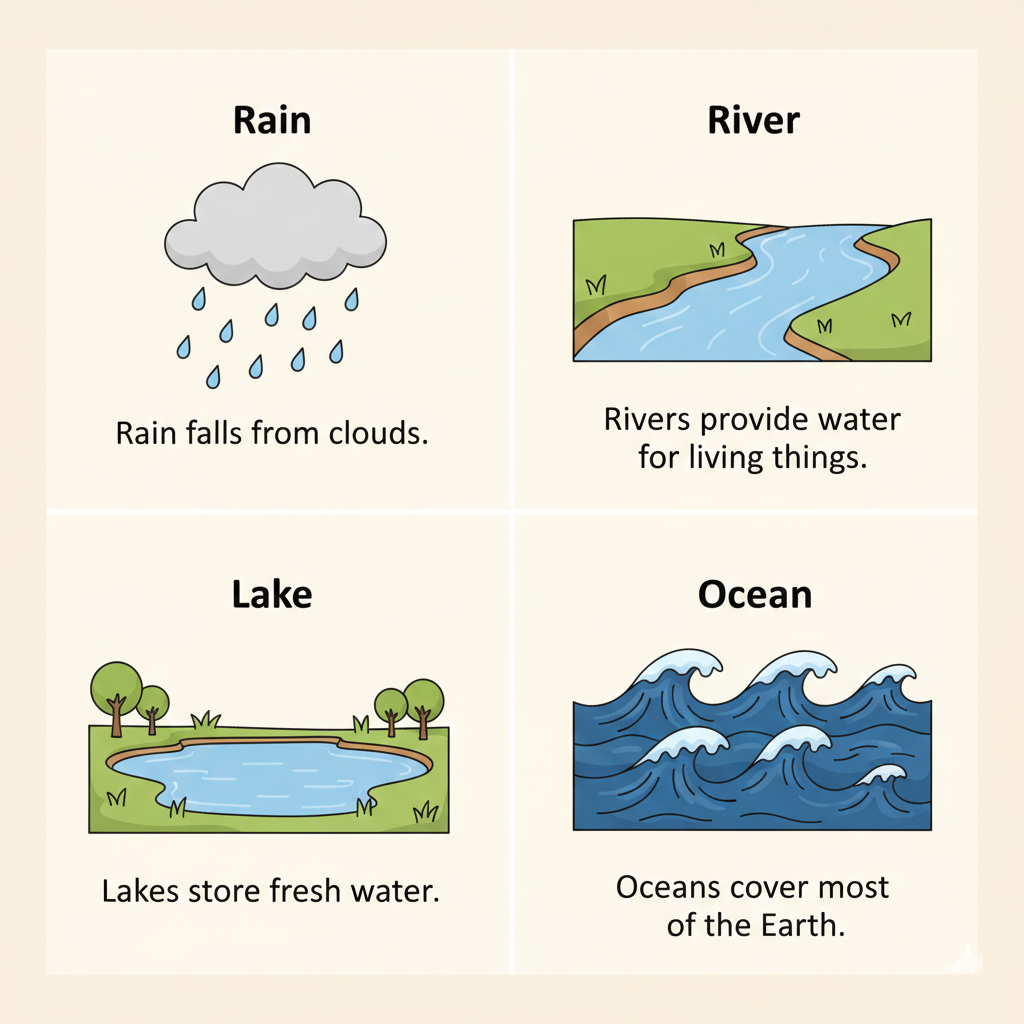
Liquids are not only found in our homes. In fact, they are all around us in nature. Many natural liquids help living things survive and grow.
1. Rivers and Lakes
First, rivers and lakes hold large amounts of water. Rivers flow across the land, while lakes collect water in one place. People and animals drink from them, and many plants and animals live in or near them. In addition, people use rivers for travel and work.
2. Rain
Next, rain falls from clouds in the sky. Rain brings fresh water to rivers, lakes, and soil. It helps plants grow and gives animals water to drink. Without rain, many living things could not survive.
3. Oceans
Finally, oceans cover most of the Earth. They hold salty water and contain the largest amount of liquid water on the planet. Oceans provide homes for many sea animals, such as fish and whales. They also help control weather and climate.
Summary: Key Points About Liquid
- Liquids do not have a fixed shape, but they keep a fixed volume.
- They flow easily, moving from one container to another.
- Some liquids show surface tension, which lets small objects float.
- Viscosity shows how fast or slow a liquid moves.
- Examples of liquids include water, milk, juice, and oil.
- Temperature can change liquids, making them thicker, thinner, or even solid.
- Liquids are found everywhere, in our daily life and in nature.
Understanding liquids helps children connect science with the real world.
Related Lessons
- Matter – Characteristics of Solids
- Characteristics of Solids Printable Guide – Grade 3 Science
- Characteristics of Solids Printable Worksheets – Grade 3 Science