

Living and Nonliving Things
What Are Living and Nonliving Things?
Everything around us — in our homes, schools, parks, and even in nature — can be grouped into living things and nonliving things. Knowing the difference helps us understand how the world works.
Living things are alive, while nonliving things are not alive. Let’s explore what this means in a simple and clear way.
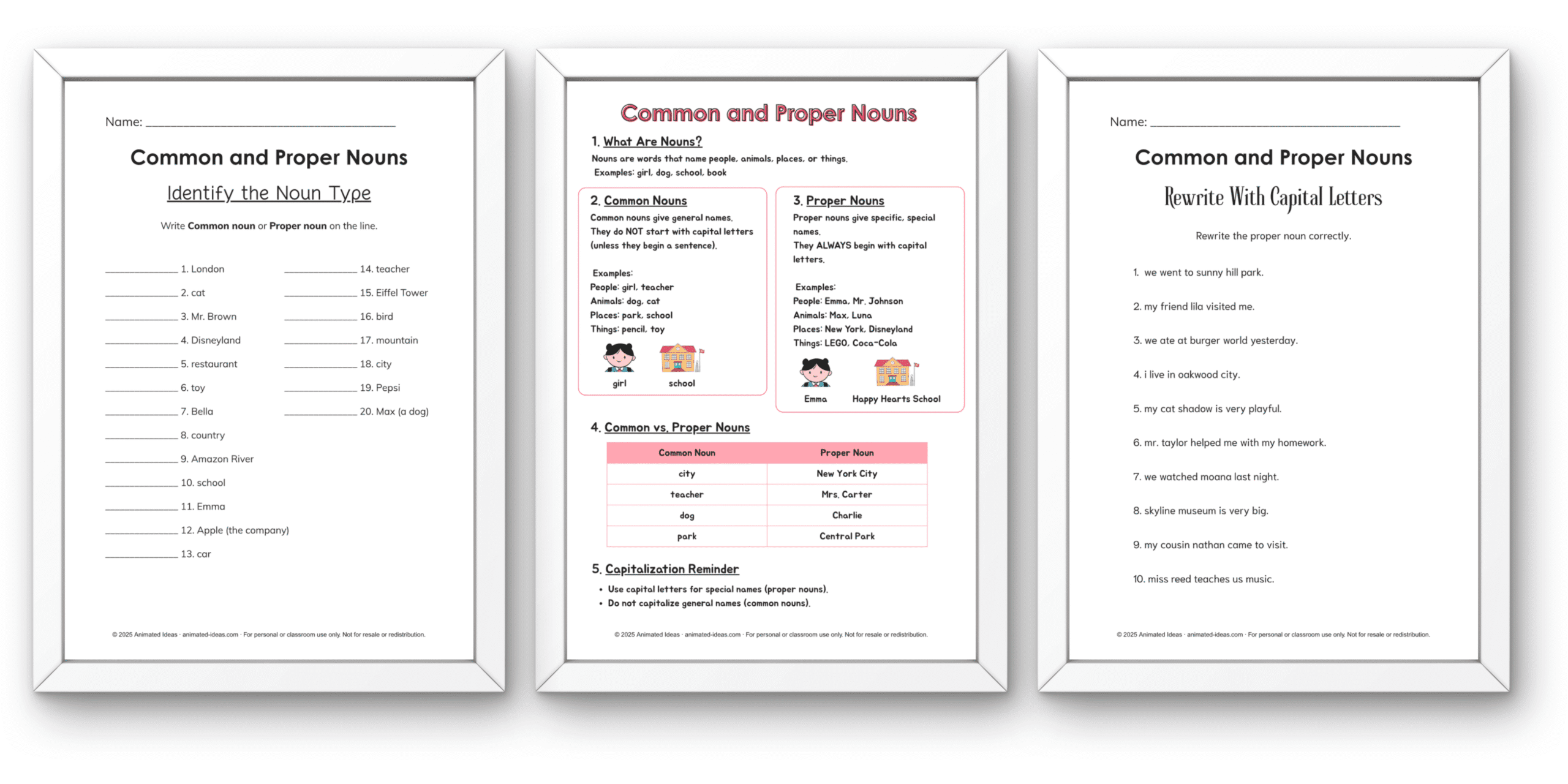
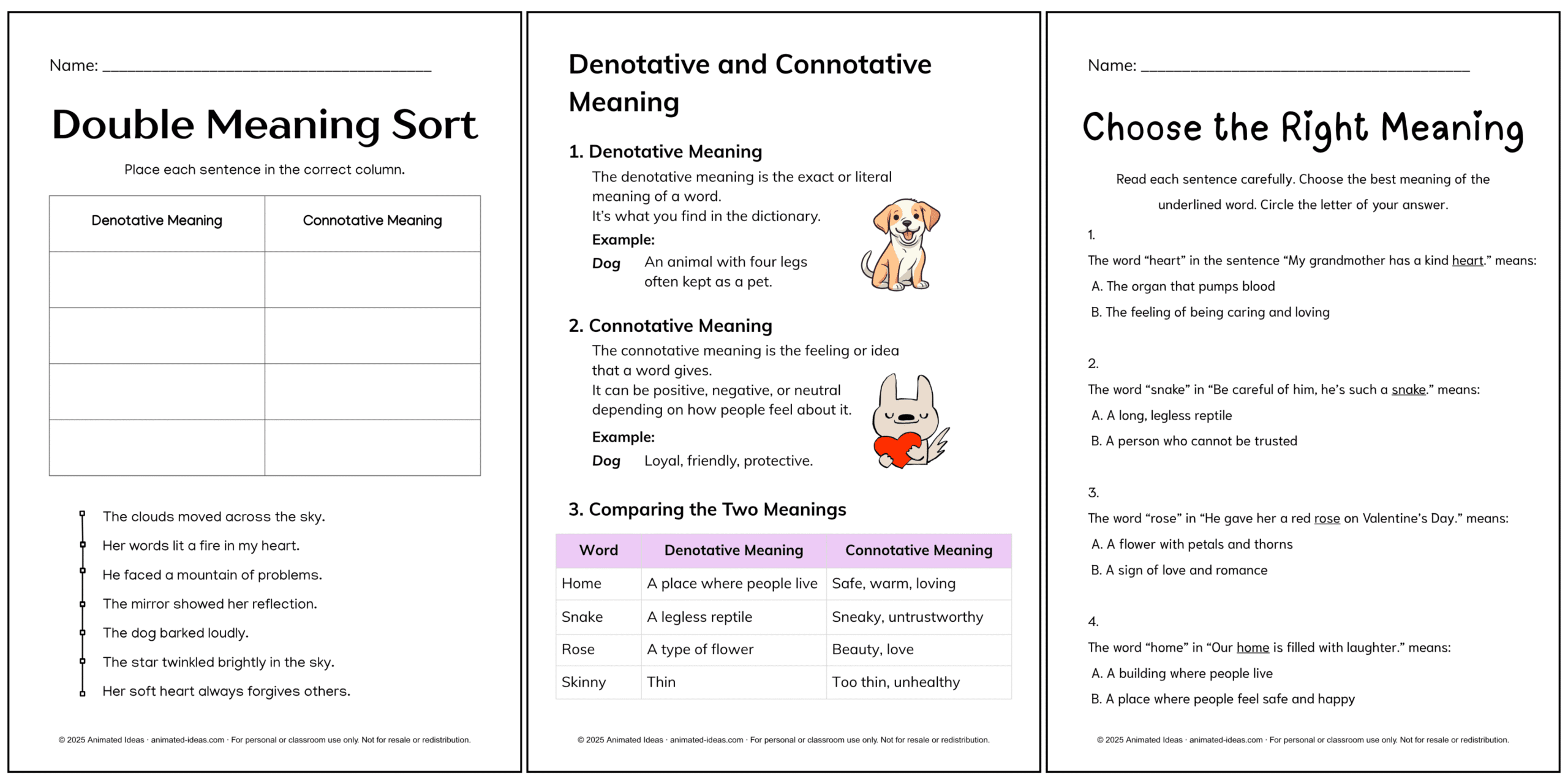
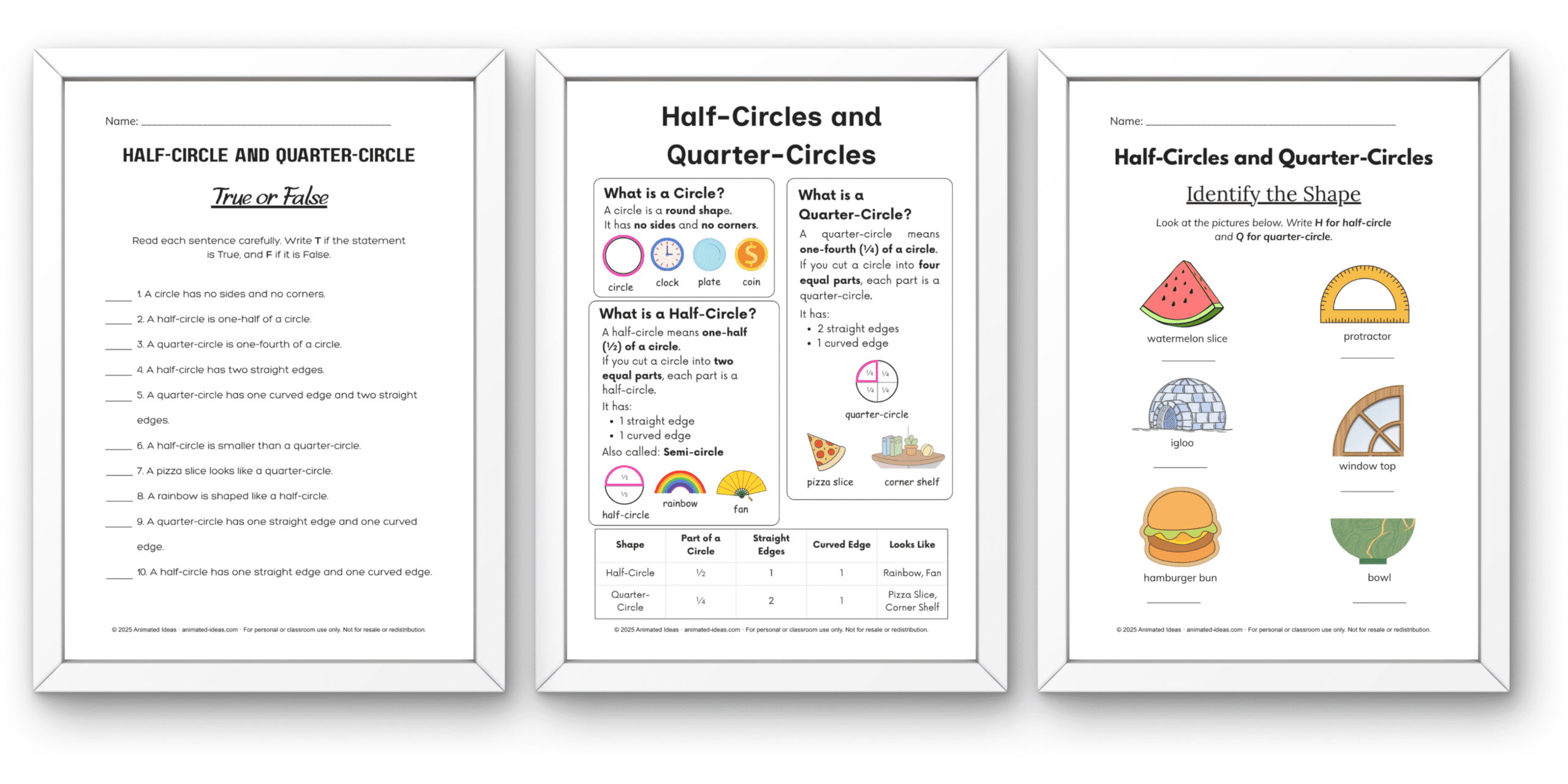
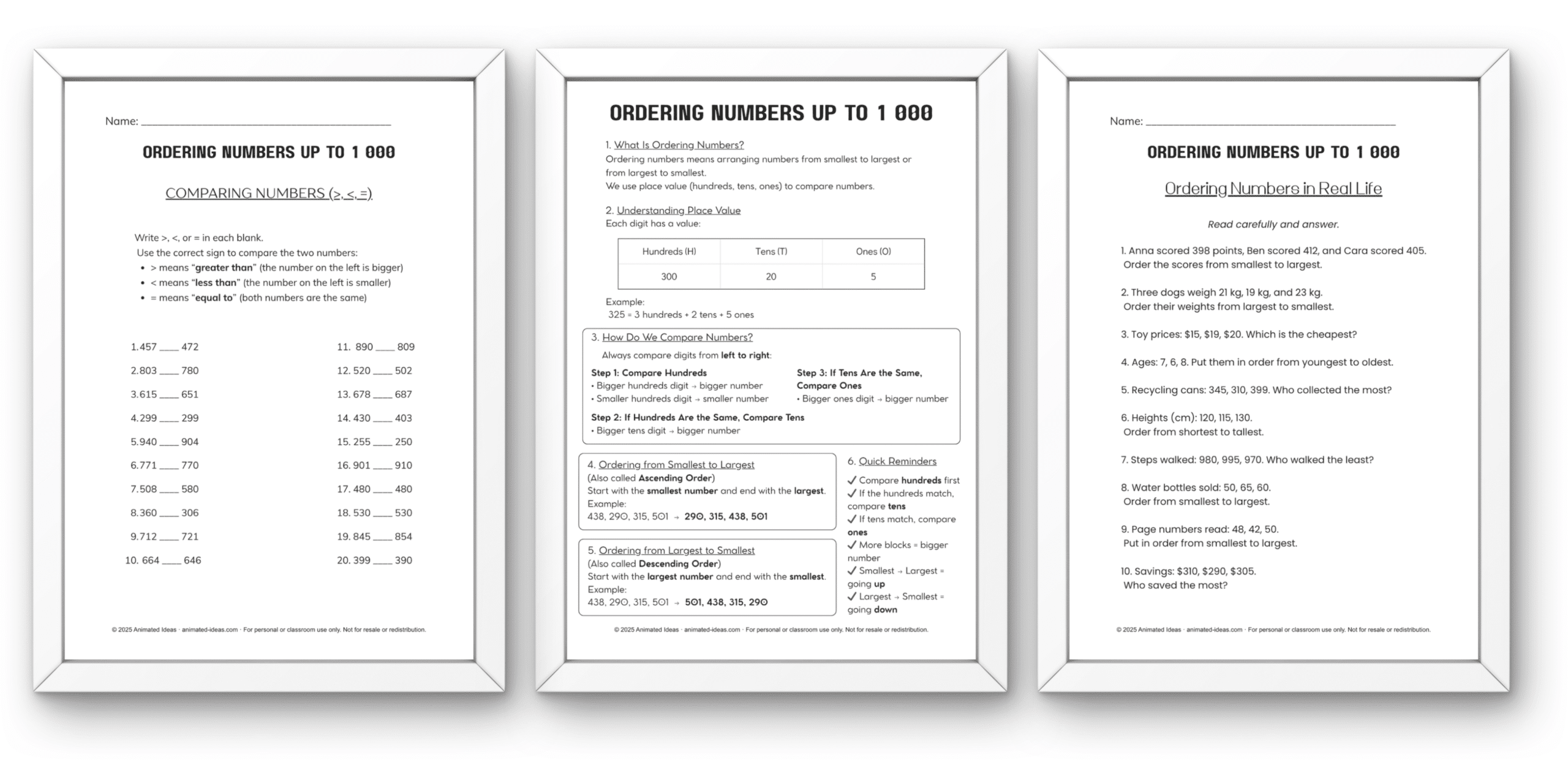
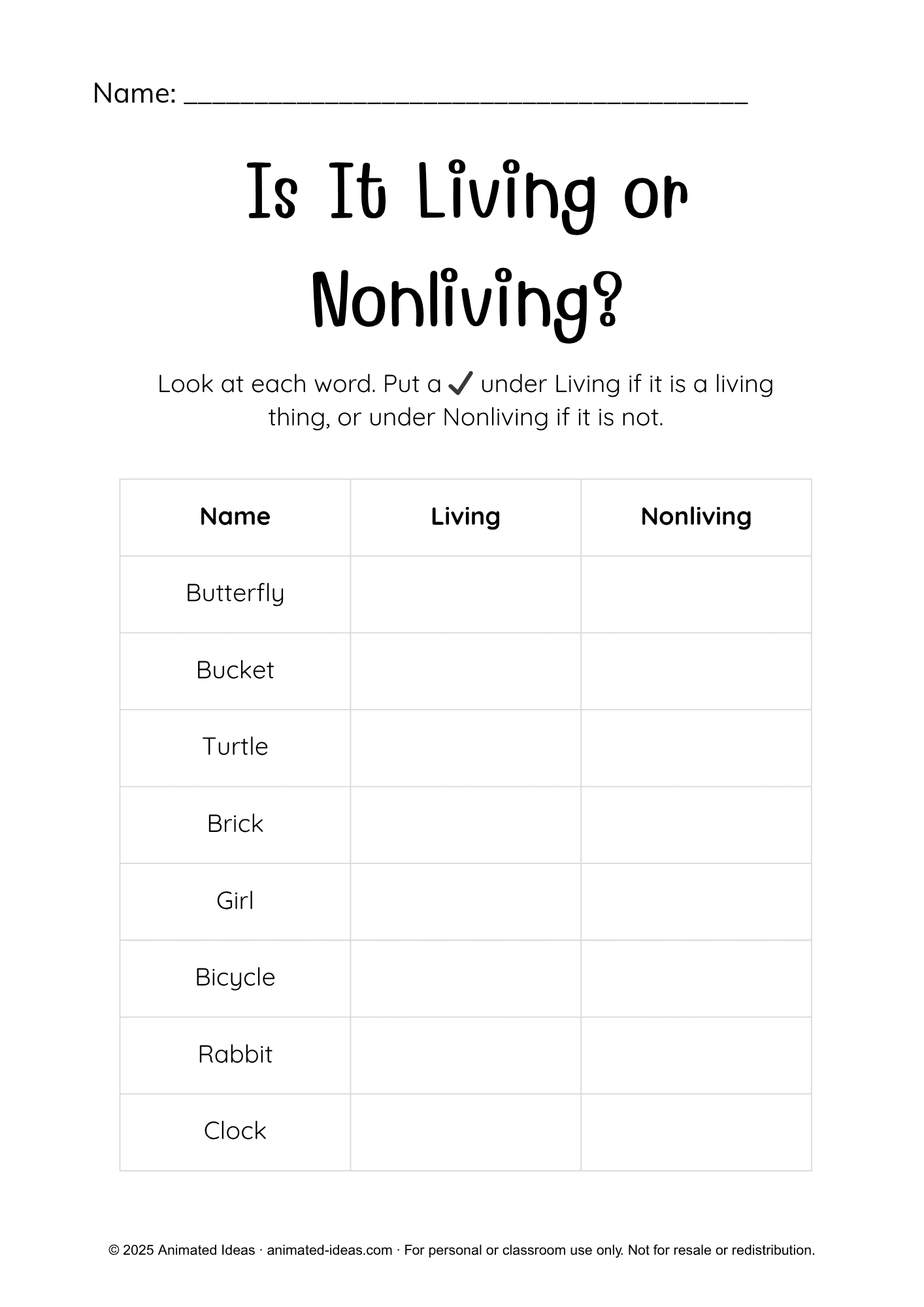
Download Free Handout and Worksheets

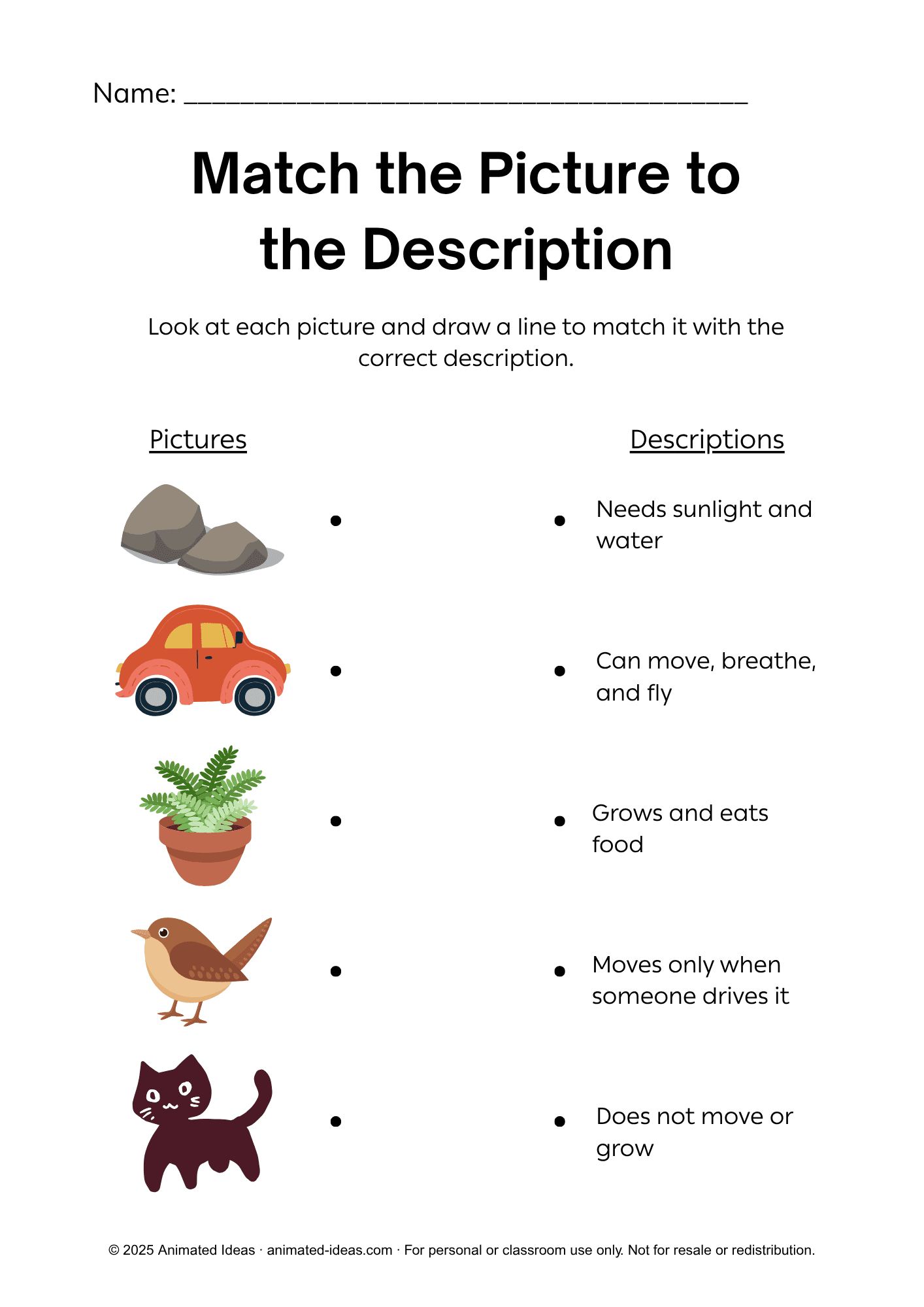
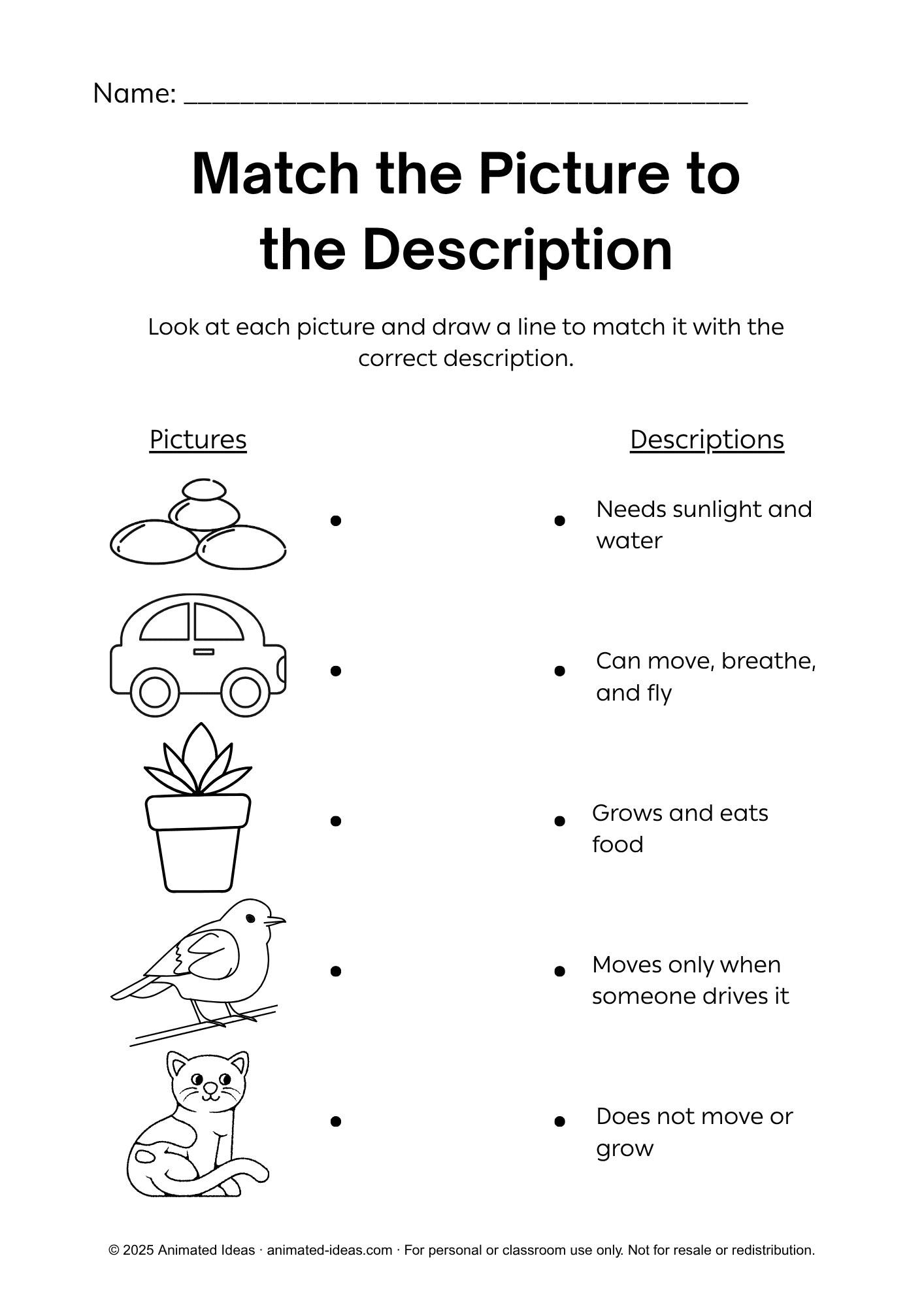
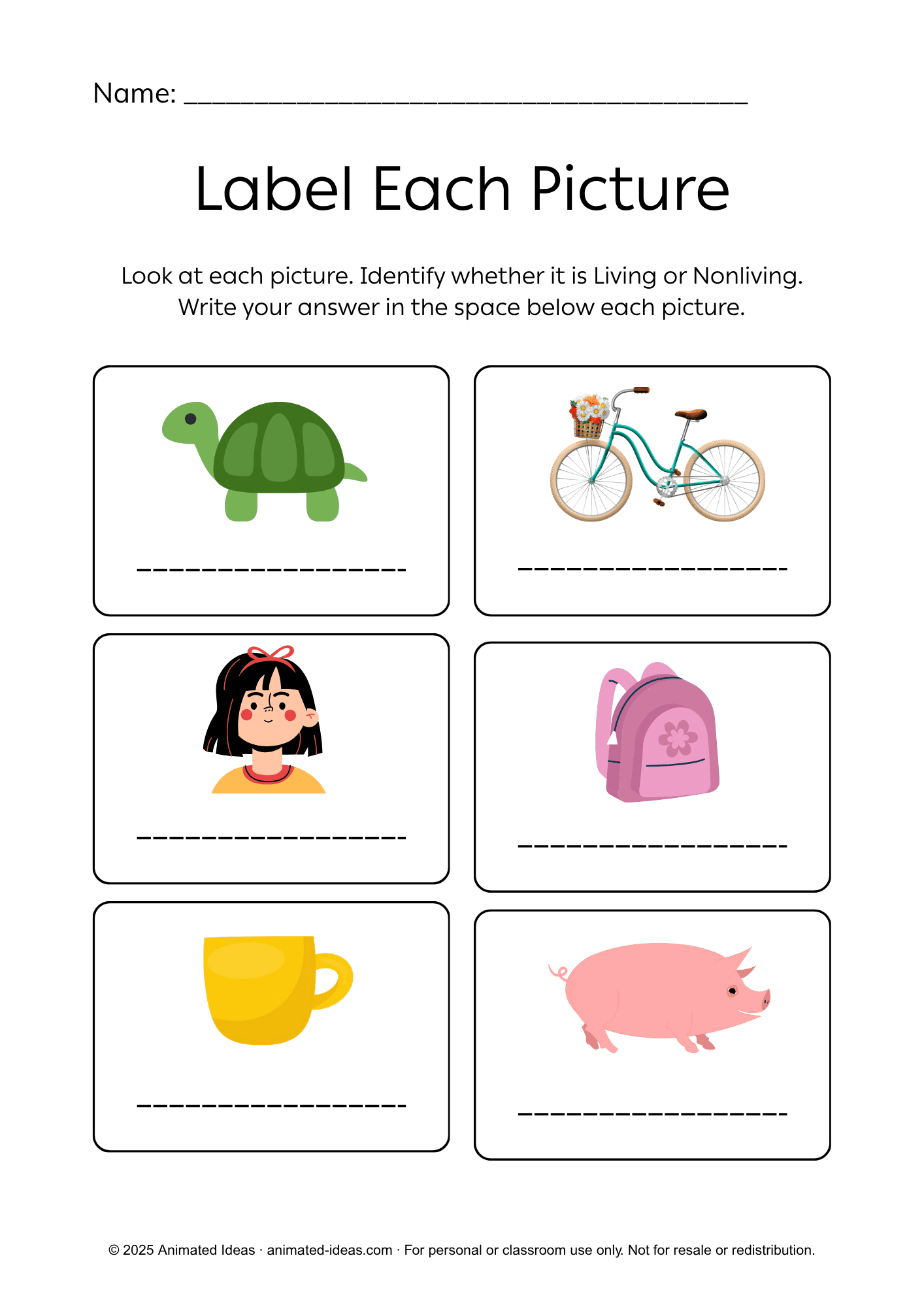
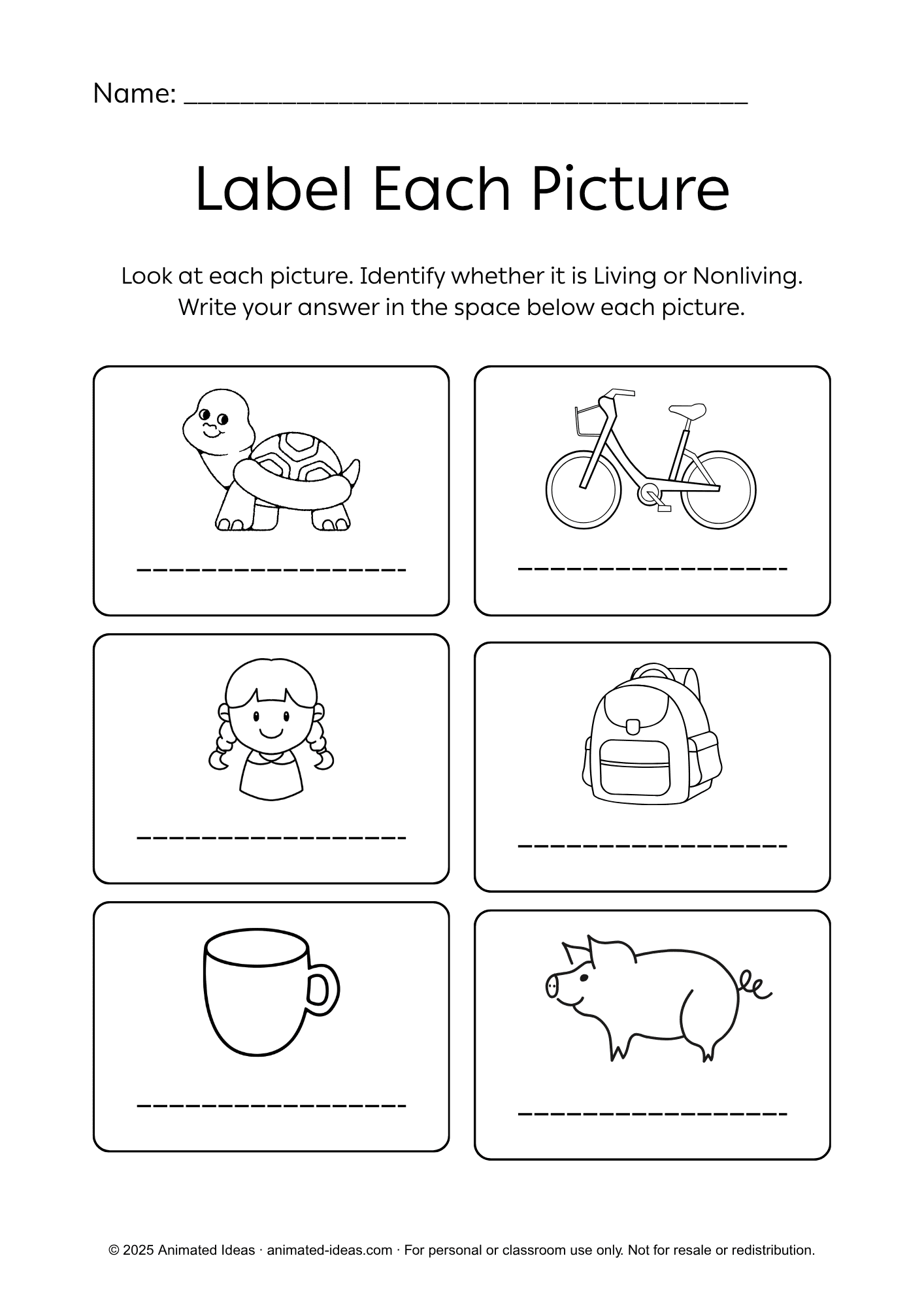
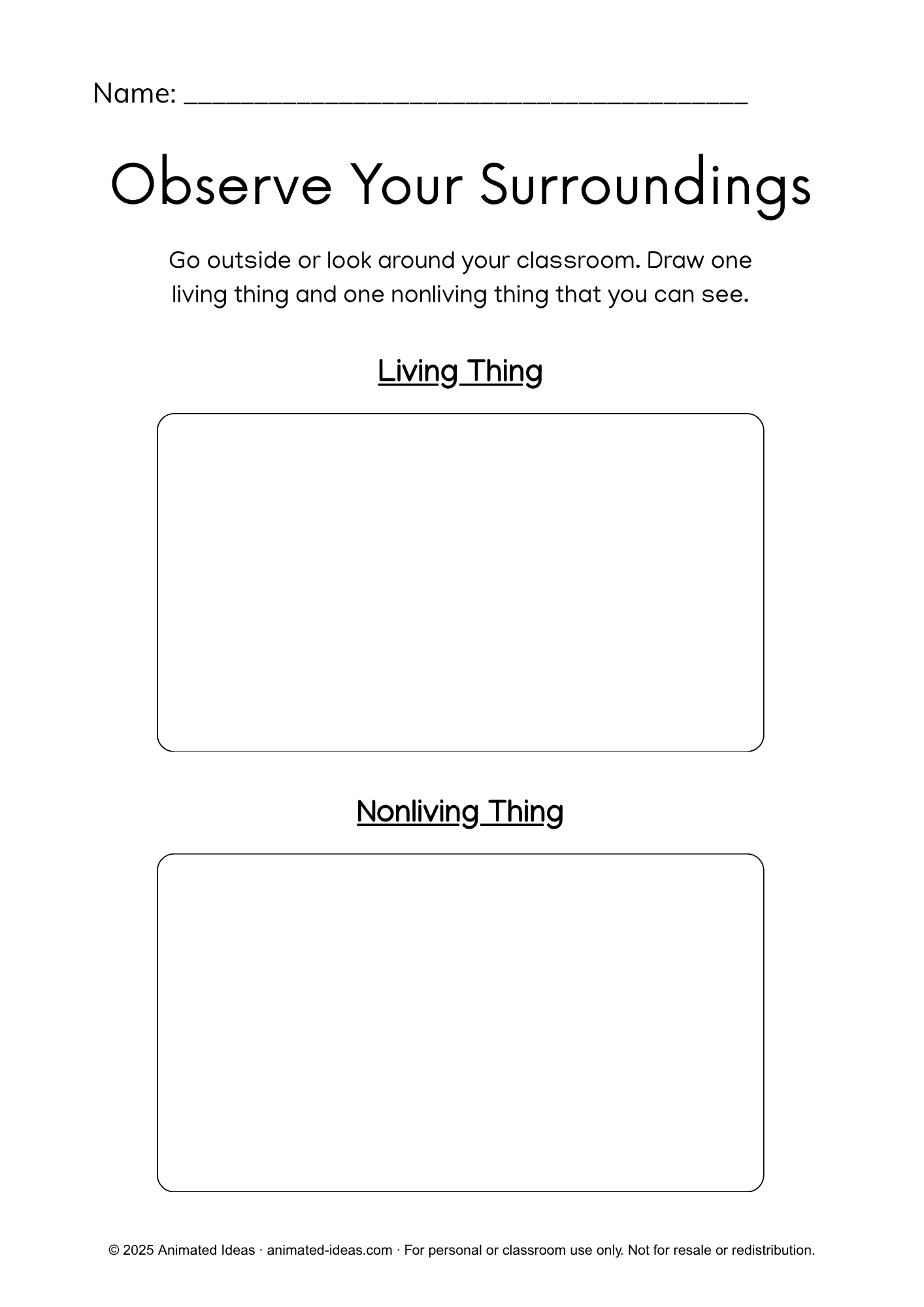

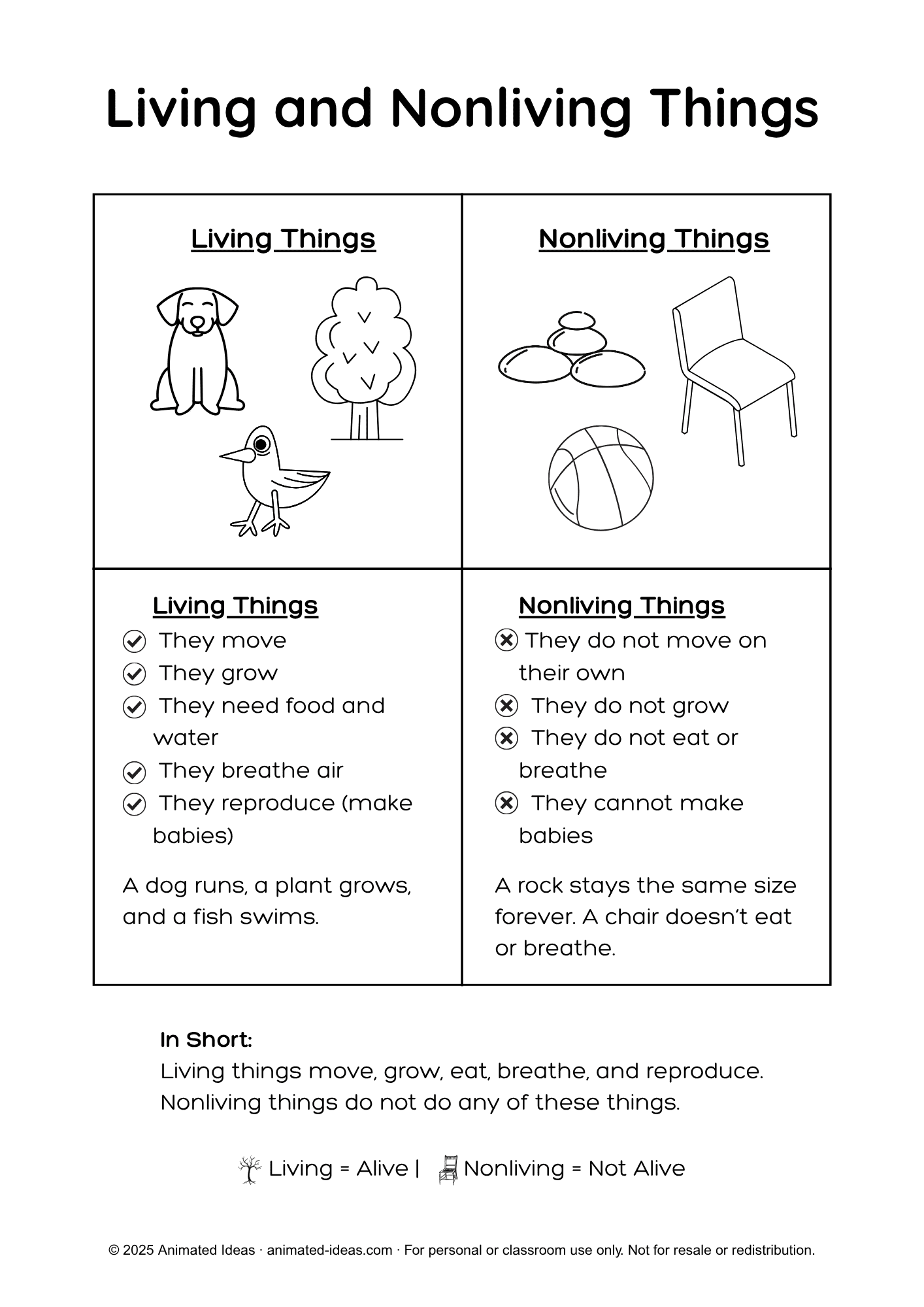
Living Things
Living things are things that are alive. They can grow, move, breathe, and make babies. They also need food, water, and air to stay alive. People, animals, and plants are all living things.
Examples of living things:
- People
- Animals (dogs, birds, fish, insects)
- Plants (trees, flowers, grass)
- Tiny organisms (bacteria, fungi, algae)
Characteristics of Living Things
Below are the five main characteristics that show something is alive.
1. Living things move.
Living things can move by themselves. Even if some living things do not move from place to place (like plants), they still move in their own way.
*Video by Coverr-Free-Footage from Pixabay
Examples:
- A dog runs, jumps, and plays.
- A fish swims in the water using its fins.
- A bird flies in the sky using its wings.
- Plants turn their leaves toward the sunlight. This is also a type of movement.
Movement helps living things:
- find food
- escape danger
- explore their surroundings
2. Living things grow.
All living things start small and get bigger over time. Growth is a sign that something is alive.
Examples:
- A baby grows taller and becomes an adult.
- A kitten grows into a big cat.
- A seed grows roots, a stem, and leaves, eventually becoming a full-grown plant.
Living things grow when they:
- eat food
- drink water
- take in nutrients
Growth also means changes happening inside the body, like stronger bones, bigger muscles, or more leaves on a plant.
3. Living things need food and water.
Food and water help living things stay strong, healthy, and full of energy.
Examples:
- People eat rice, fruits, vegetables, and drink water to stay healthy.
- Animals eat plants (herbivores), other animals (carnivores), or both (omnivores).
- Plants make their own food using sunlight, water, and air through a process called photosynthesis.
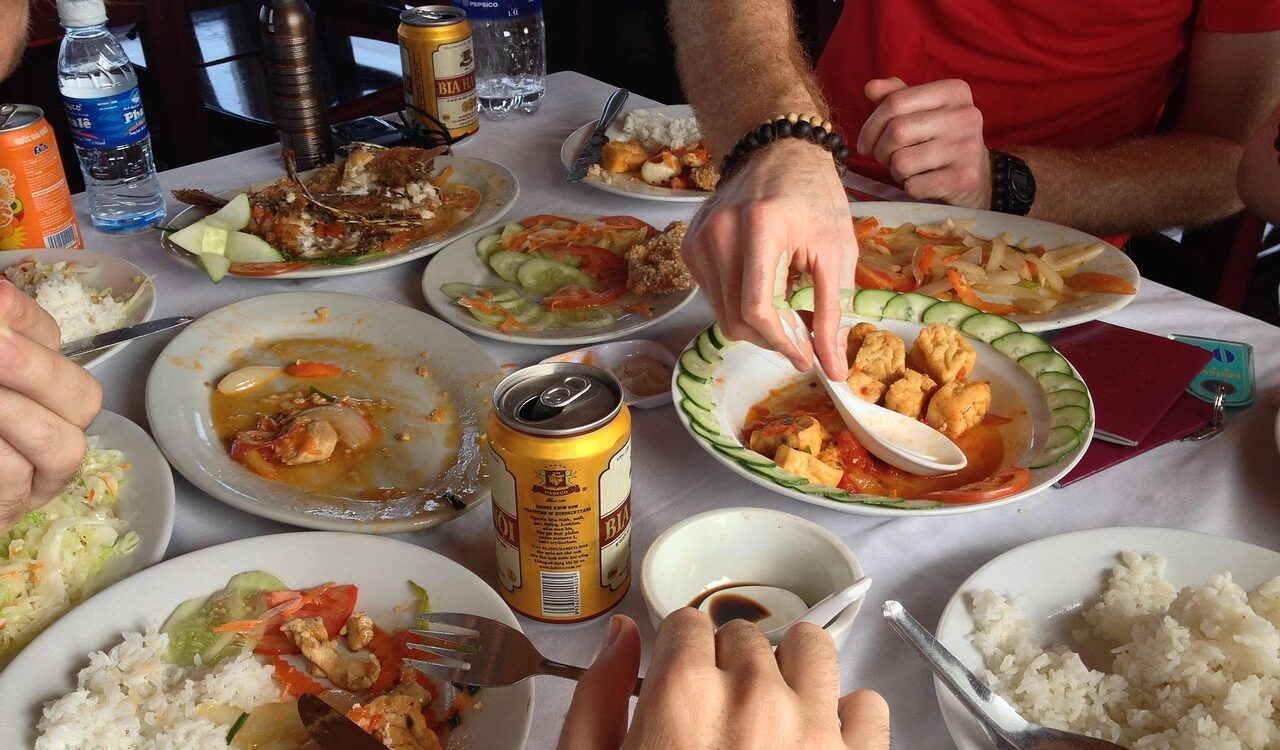
*Image by Bill Kasman from Pixabay
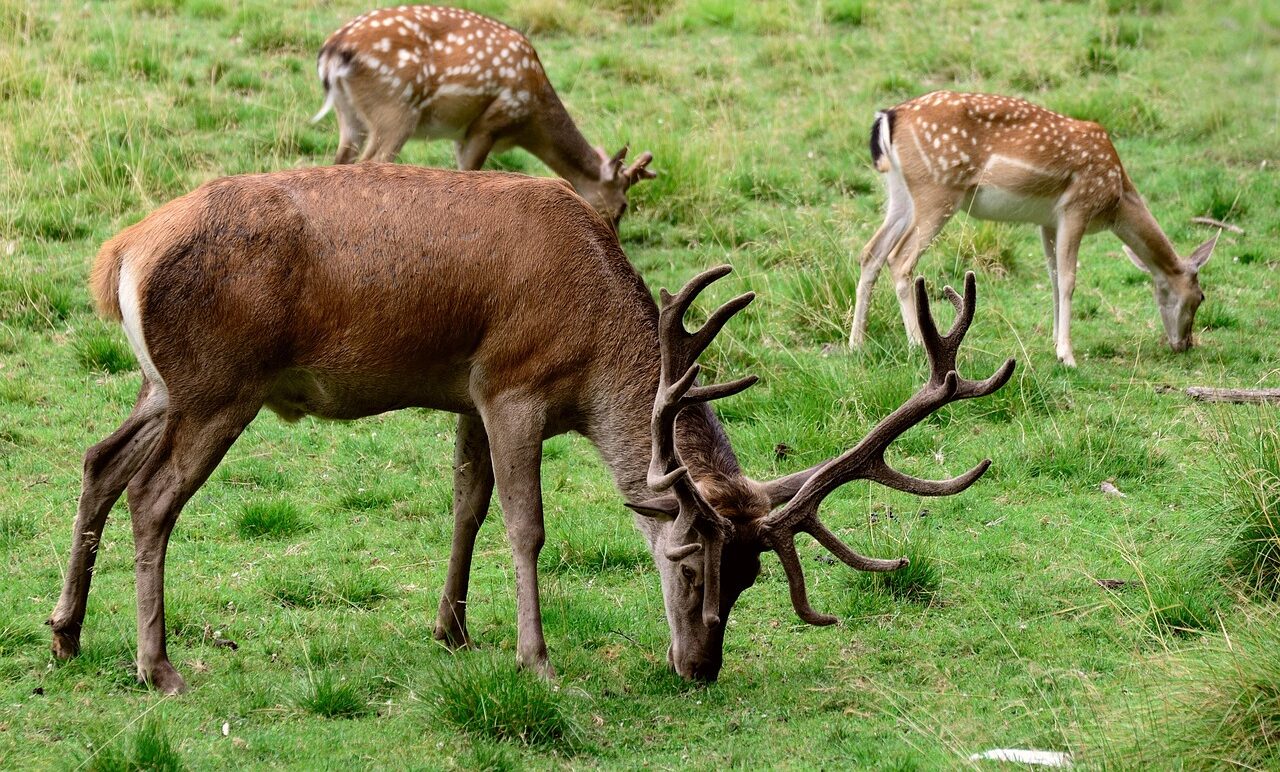
*Image by congerdesign from Pixabay
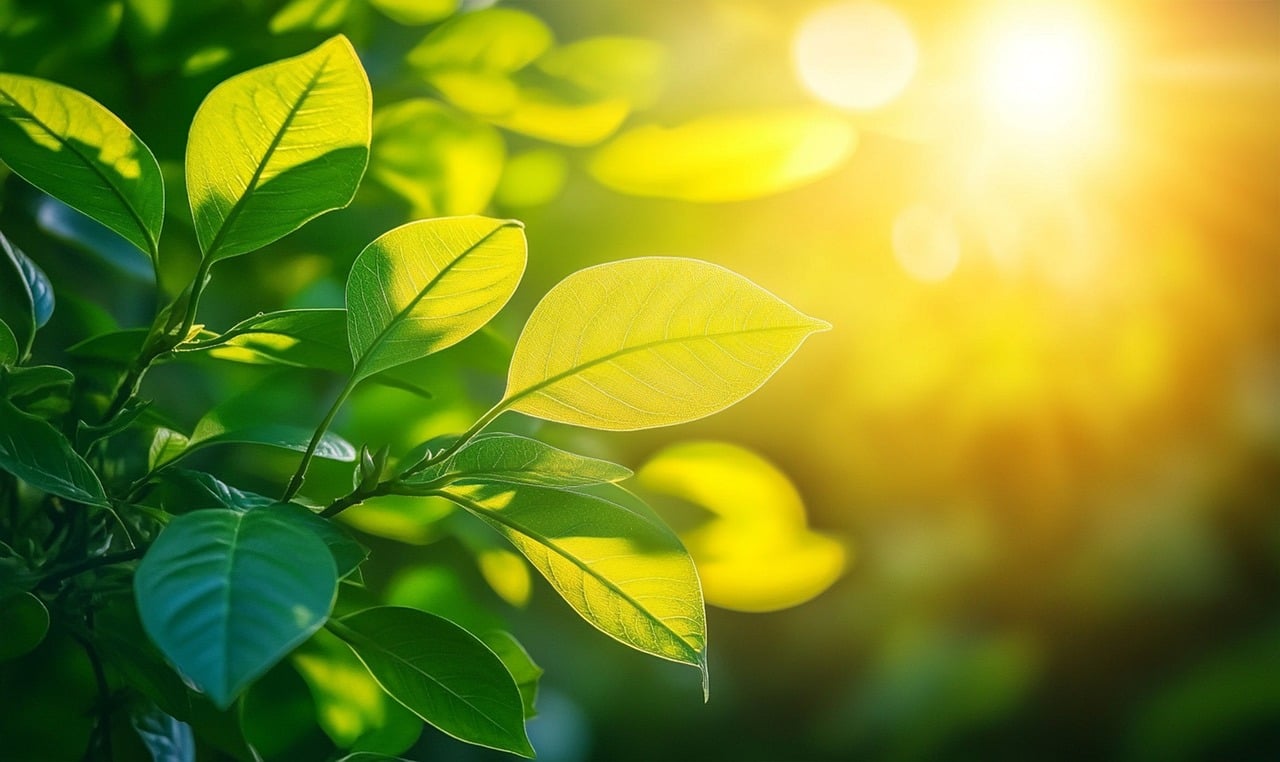
*Image by Sharmin Rahman from Pixabay
Without food and water, living things will become weak and may not survive.
4. Living things breathe air.
All living things need air to stay alive. Air helps give the body energy.
Examples:
- People and animals breathe through their nose or mouth.
- Fish breathe using gills in the water.
- Insects breathe through tiny holes on their body called spiracles.
- Plants breathe through tiny holes in their leaves called stomata.
Even though plants don’t have lungs, they still take in air to survive
5. Living things reproduce.
Living things can make more of their own kind. This helps their group continue to live on Earth.
Examples:
- A hen lays eggs that hatch into chicks.
- A cat gives birth to kittens.
- A mango tree produces seeds that grow into new mango trees.
- A fish lays eggs that become baby fish.
Reproduction can happen in different ways:
- giving birth
- laying eggs
- growing from seeds
This is one of the most important characteristics of living things.
Nonliving Things
Nonliving things are things that are not alive. They do not eat, breathe, move, grow, or reproduce. They stay the same unless someone or something changes them.
Examples of nonliving things include rocks, water, toys, chairs, cars, books, and tables.
Some nonliving things are made by nature, like:
- rocks
- water
- sunlight
- soil
Others are made by people, like:
- pencils
- buildings
- furniture
- vehicles
Nonliving things are all around us and help us in many ways, but they do not have life.
Characteristics of Nonliving Things
Below are the main traits that show something is not alive.
1. Nonliving things do not move on their own.
Nonliving things cannot move by themselves. They only move if a person, animal, or force moves them.
Examples:
- A ball only rolls when someone kicks it.
- A toy car will not drive unless you push it.
- A paper stays in place unless the wind blows it away.
Movement for nonliving things always depends on something else.
2. Nonliving things do not grow.
Nonliving things stay the same size and shape. They do not change or develop naturally over time.
Examples:
- A rock remains the same size unless it breaks.
- A chair stays the same height and width forever.
- A toy does not grow bigger as years pass.
They do not go through life stages like babies, adults, or old age.
3. Nonliving things do not need food or water.
Because they are not alive, nonliving things do not need anything to stay alive.
Examples:
- A table does not need food.
- A car does not drink water.
- A book does not need food to stay in good condition.
They do not use energy the way living things do.
4. Nonliving things do not breathe.
Living things need air, but nonliving things do not.
Examples:
- A pencil does not need air.
- A toy robot does not breathe.
- A bag does not inhale or exhale.
This is why you will never see a nonliving thing taking in oxygen or producing carbon dioxide.
5. Nonliving things cannot reproduce.
Nonliving things cannot make more of their kind by themselves.
Examples:
- A table cannot produce another table.
- A car cannot give birth to another car.
- A book cannot make a new book.
More nonliving things can only be made when people create them.
Why It’s Important to Know the Difference Between Living and Nonliving Things
Understanding the difference between living and nonliving things helps us learn about the world around us. It also teaches us how to take care of living things and use nonliving things properly in our daily life.
When we know the characteristics of living things, we can:
- Take care of plants and animals by giving them the right food, water, and air.
- Protect people by understanding their needs, like food, water, and rest.
- Learn about nature and how all living things depend on each other to survive.
When we understand nonliving things, we can:
- Use them safely and correctly in our homes, schools, and communities.
- Understand natural resources like water, sunlight, and rocks, and use them wisely.
- Make tools and objects that help make our life easier, like chairs, books, or toys.
Living and Nonliving Things : Watch the Educational Video
Thank you! We Hope You Enjoyed Learning About Living and Nonliving Things
Thank you for exploring the fascinating world of living and nonliving things with us! 🌿🪨
Keep your students engaged by checking out more resources from Animated Ideas, including Describing Natural Events With Our Senses and Grade 2 Notes and Worksheets.
For even more tips, activities, and printable handouts, visit our YouTube channel and follow our Facebook page. Keep learning, exploring, and making science fun for every child!