
Ending Sounds Worksheets for Grade 1
Learning to read starts with understanding sounds. First, children learn letter sounds. Then, they begin to blend these sounds. Next, they use Ending Sounds Worksheets to practice how words end. Finally, they learn ending sounds clearly. Therefore, ending sounds are very important in early reading.
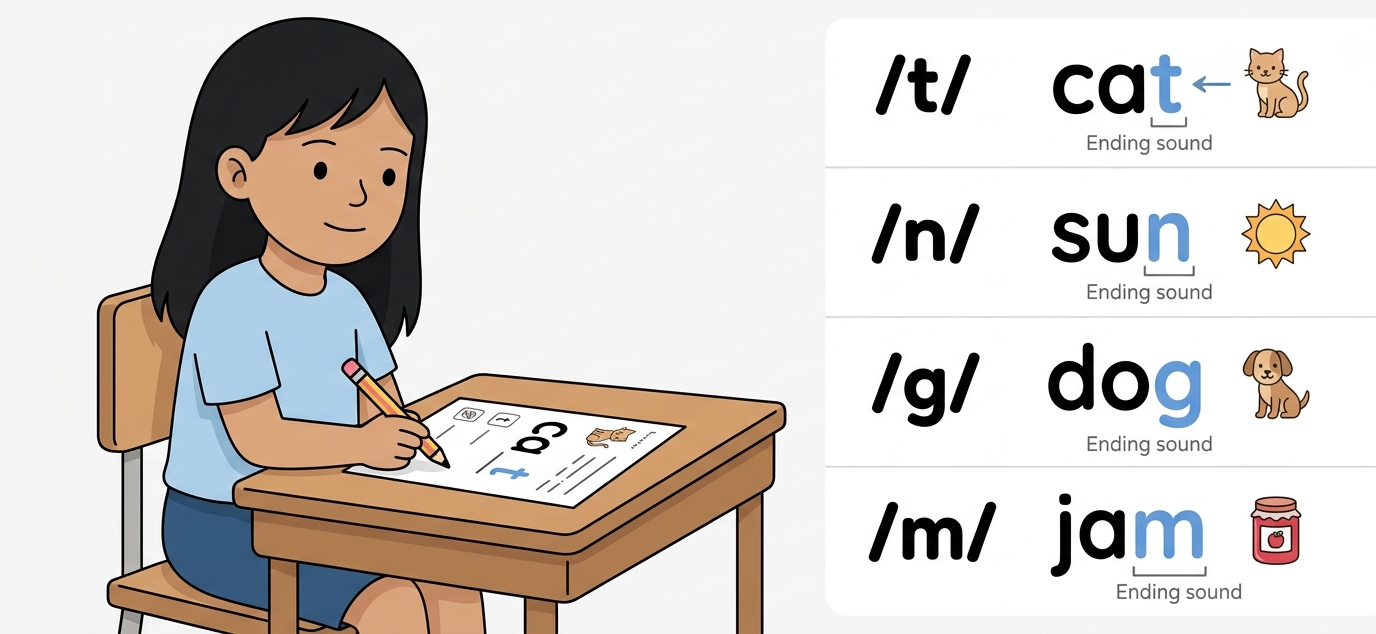
Ending sounds are the last sounds we hear in a word. For example, in the word “cat,” the ending sound is /t/. In the word “dog,” the ending sound is /g/. These sounds help children read and spell correctly.
Moreover, ending sounds worksheets grade 1 help learners practice these skills. They make learning clear, simple, and fun. As a result, children become more confident readers.
What Are Ending Sounds?
Ending sounds are the last sounds in a word. They tell us how a word finishes. For example:
- “hat” ends with /t/
- “bed” ends with /d/
- “sun” ends with /n/
Therefore, listening carefully is very important. Children must hear the last sound clearly.
In addition, ending sounds help children:
- Spell words correctly
- Read words easily
- Understand word patterns
Thus, they are a key part of phonics learning.
Using Ending Sounds Worksheets Grade 1
Worksheets are very useful tools. They give clear practice.They help children:
- Recognize sounds
- Match sounds to letters
- Complete words
In addition, worksheets give repetition. This is important for learning.
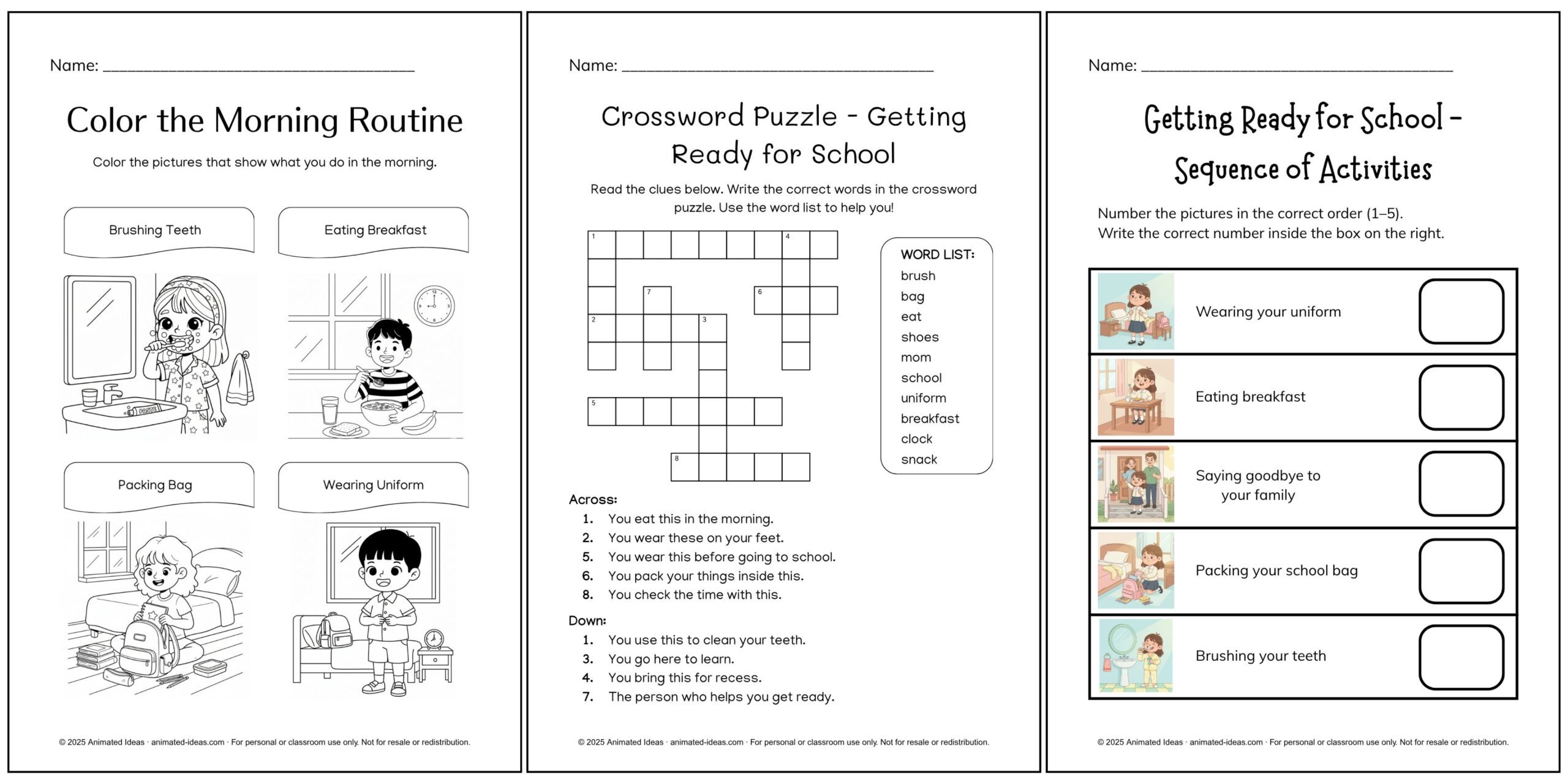
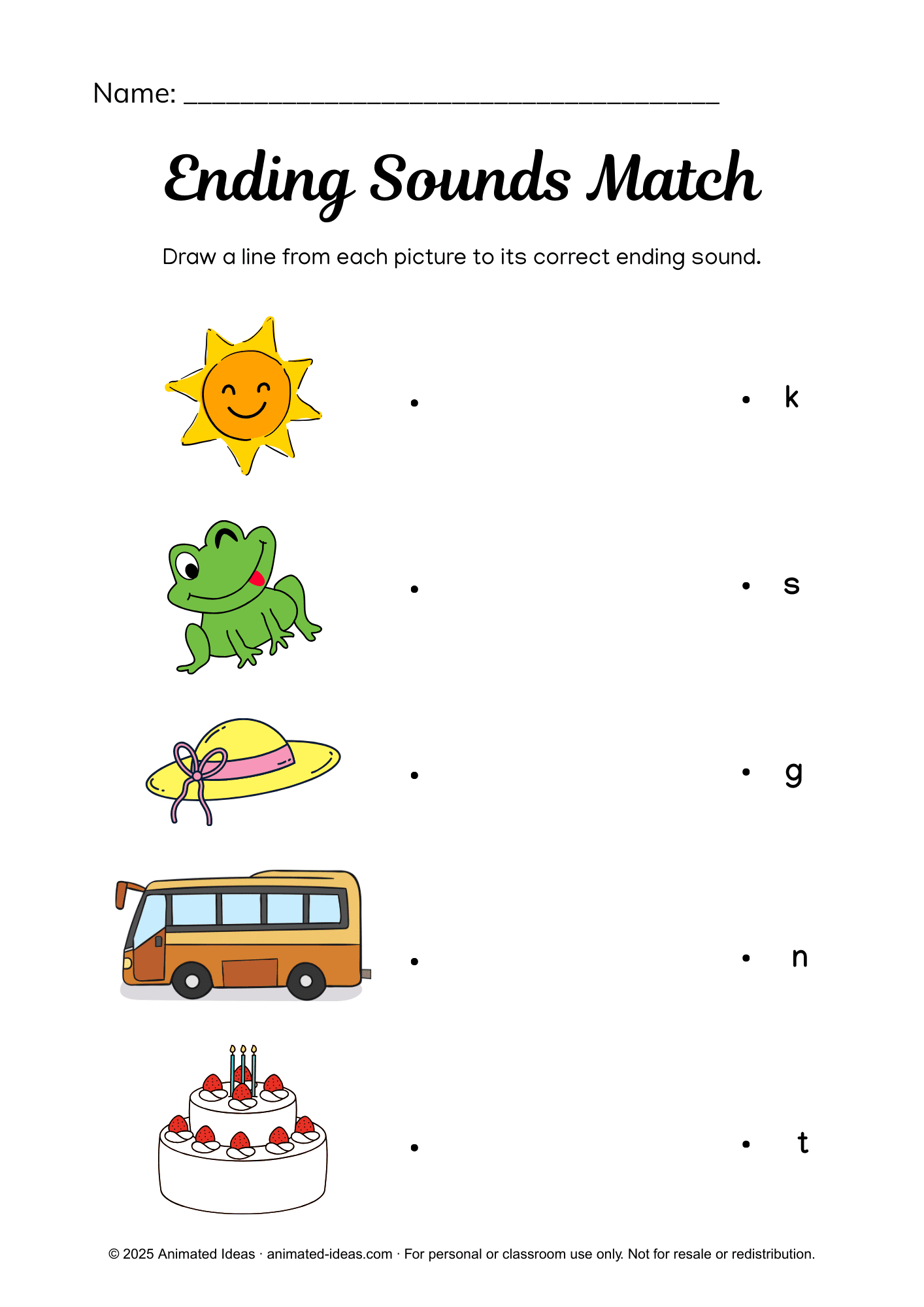
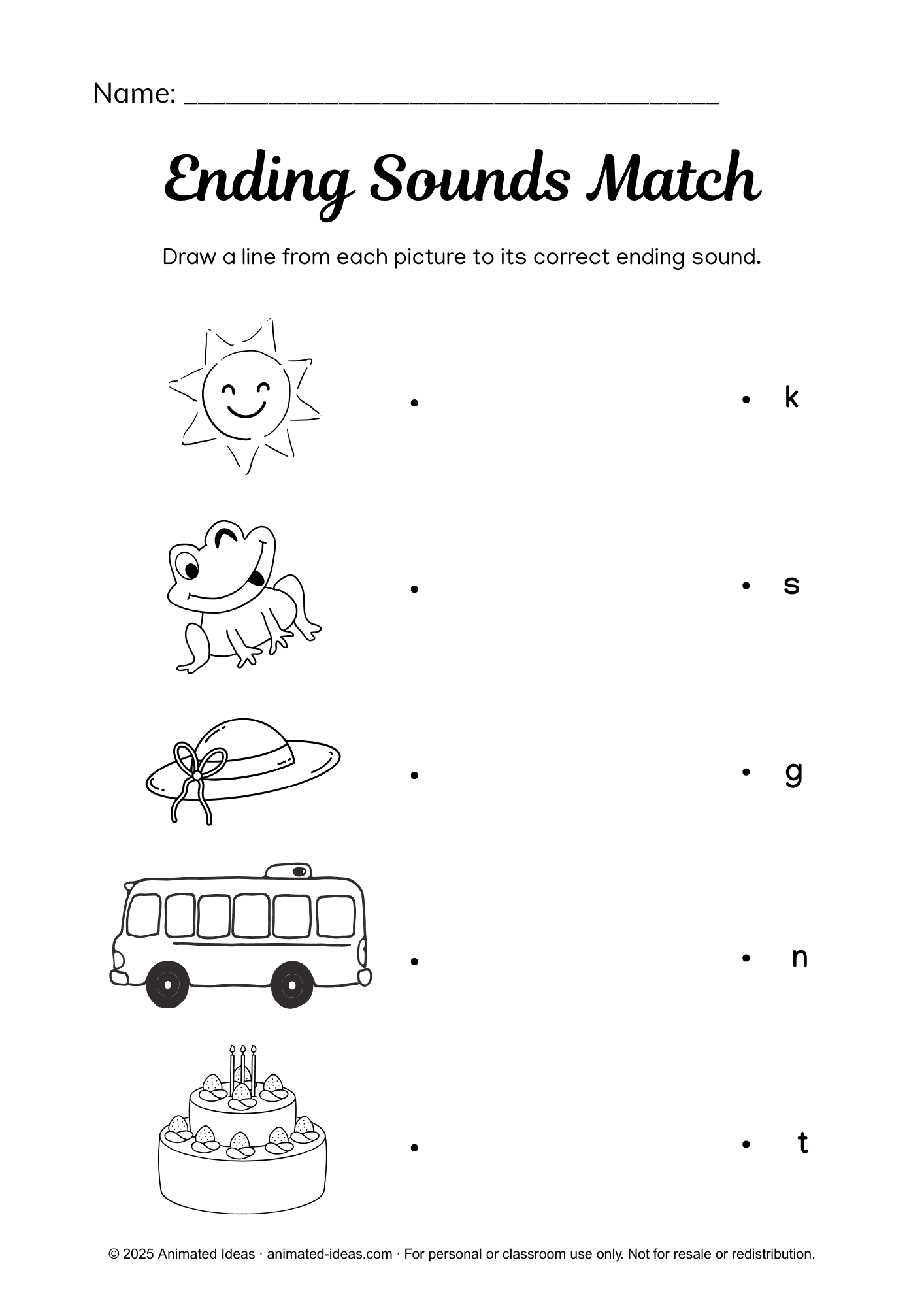
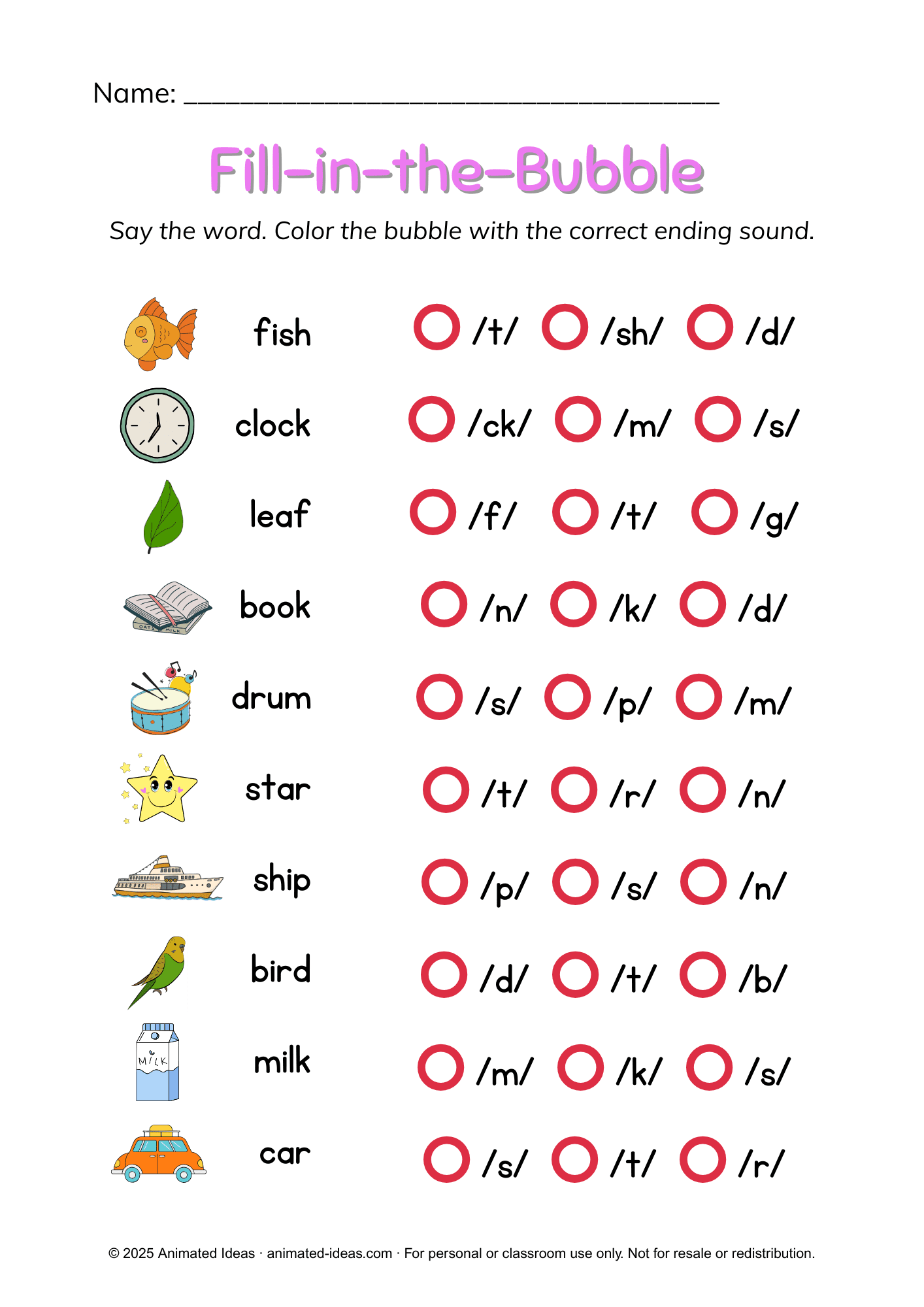
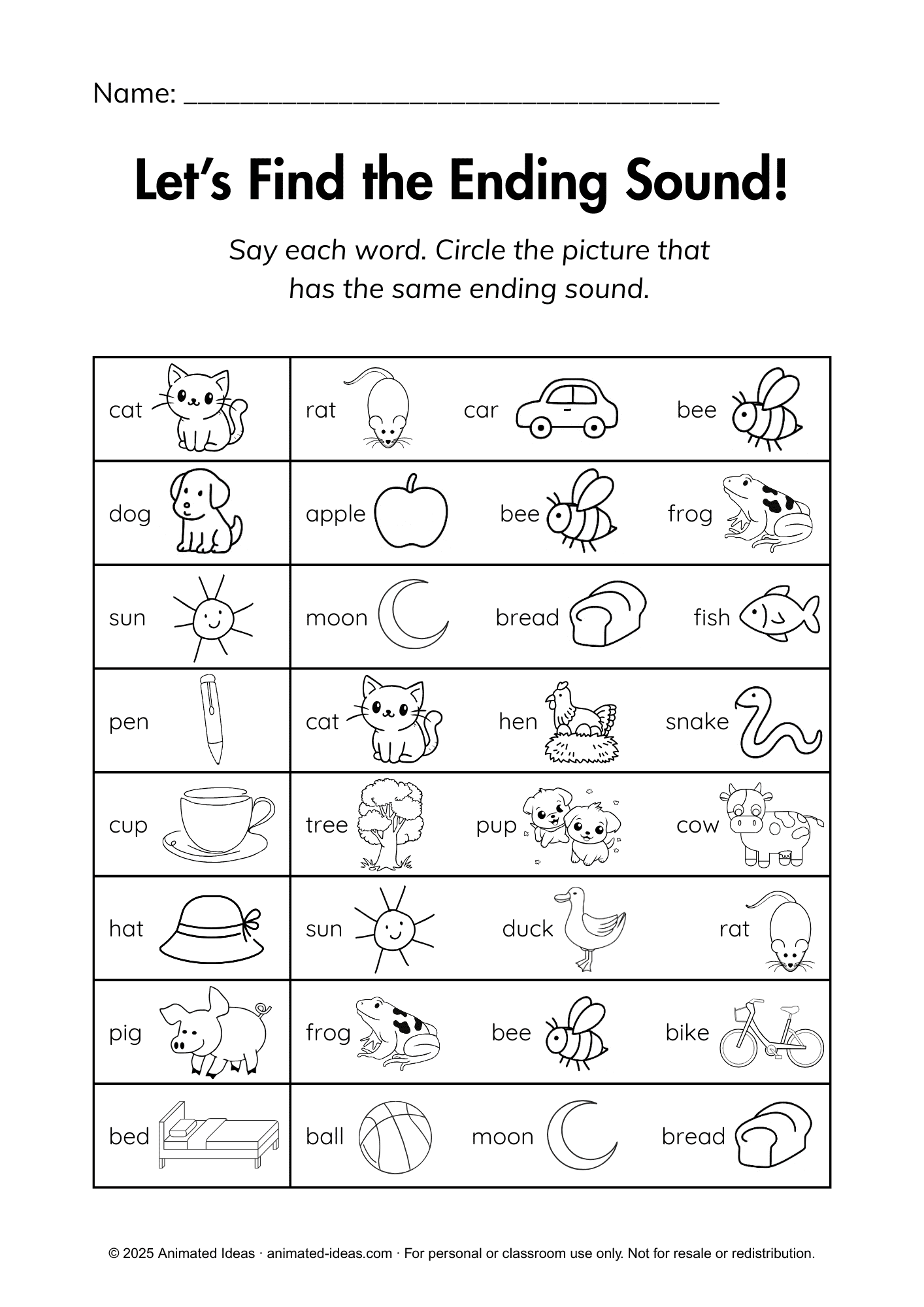
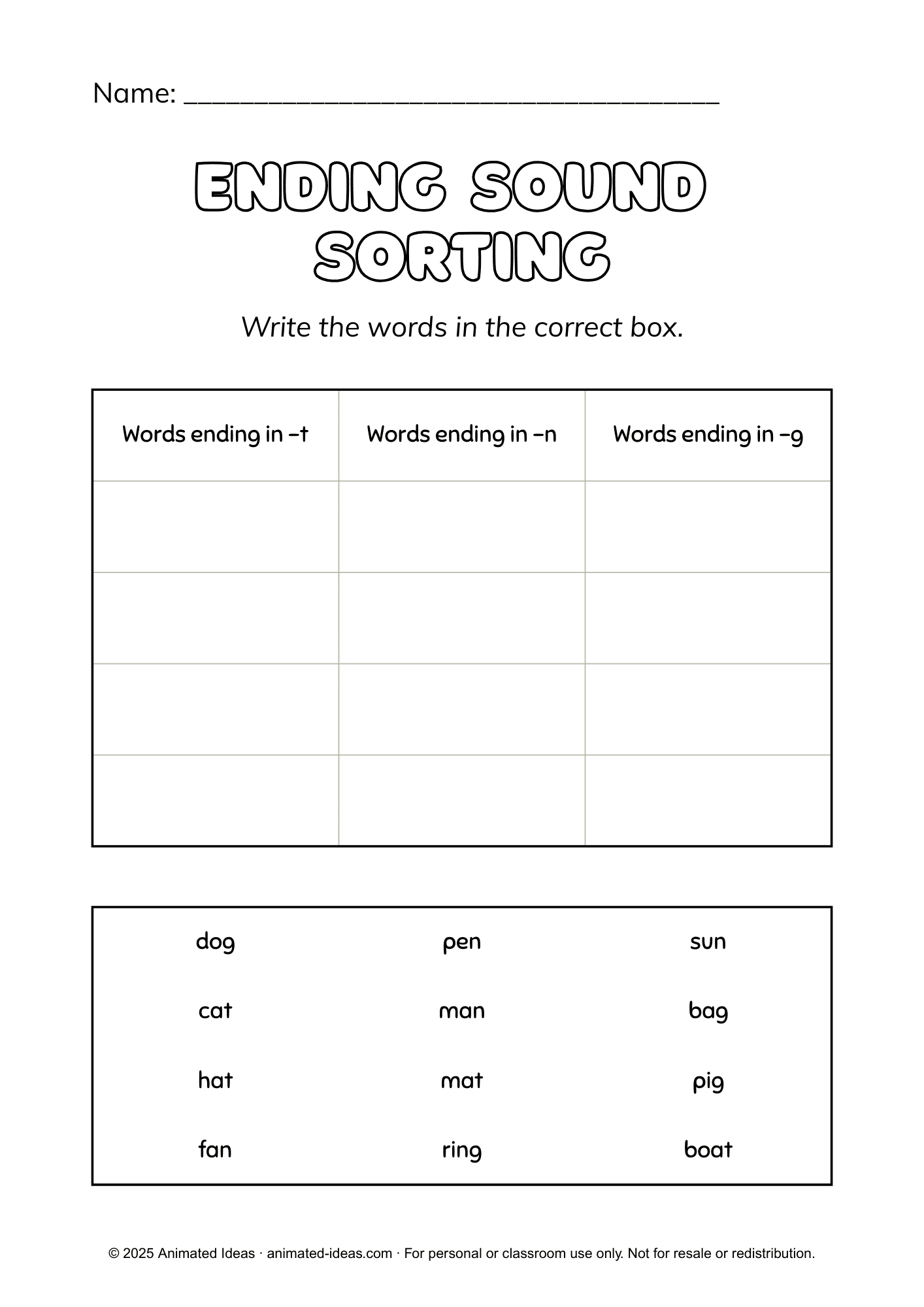
Animated Ideas has created free printable worksheets about ending sounds. These worksheets are designed especially for beginner learners.
You can download them and use them at home or in the classroom. They are simple, clear, and easy to print. Therefore, they are very helpful for daily practice.
Understanding Ending Sounds in Simple Words
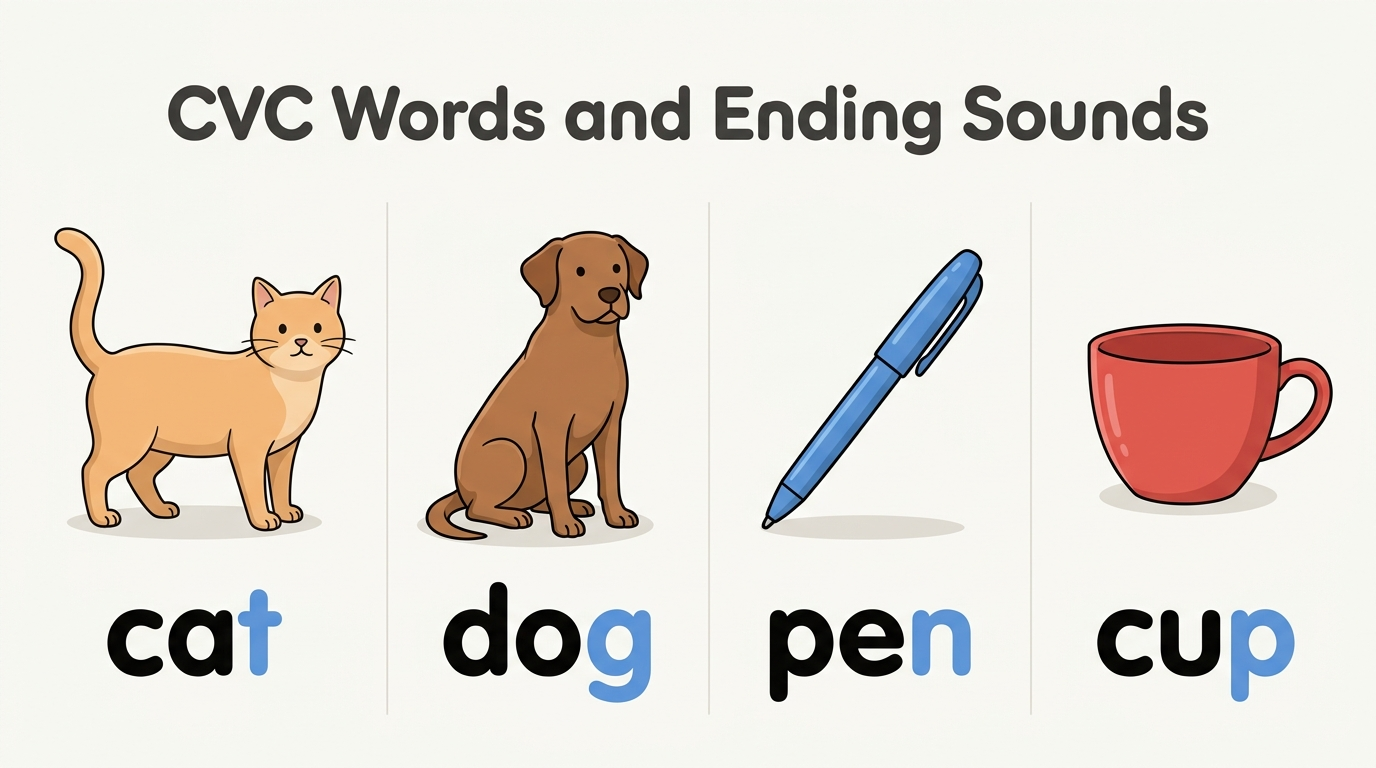
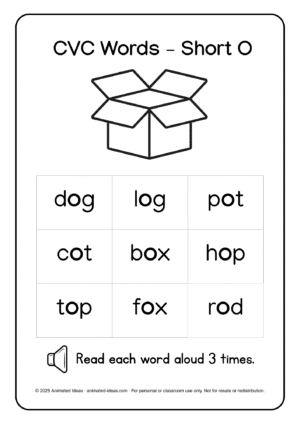
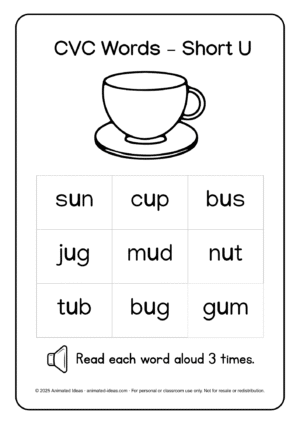
Young learners need simple words first. Usually, these are CVC words. CVC means consonant-vowel-consonant.
Examples include:
- cat
- dog
- pen
- cup
These words are easy to read. Also, they clearly show the ending sound.
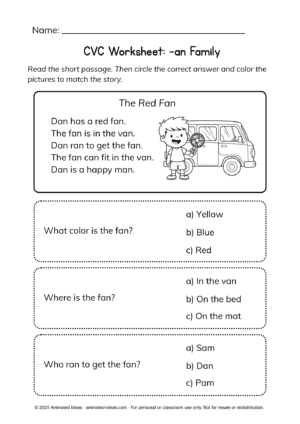
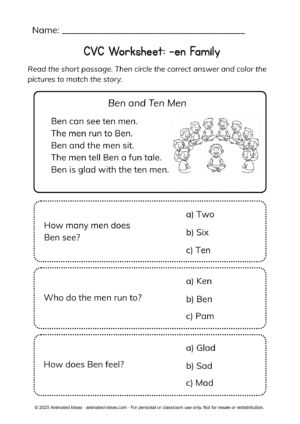
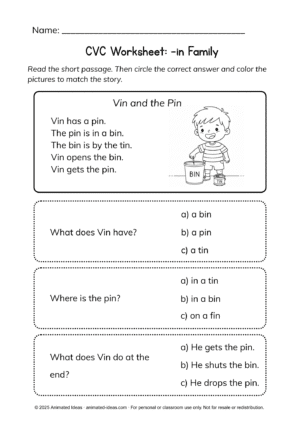
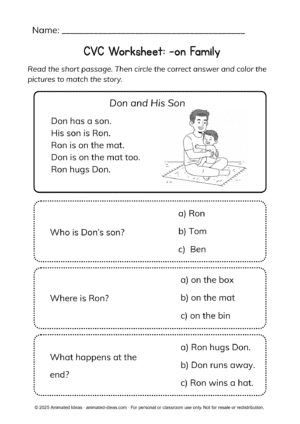
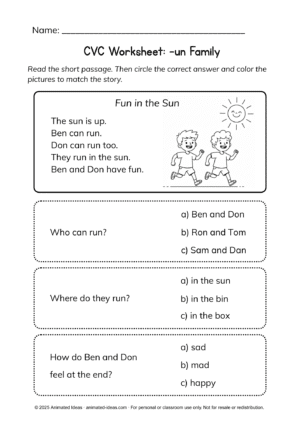
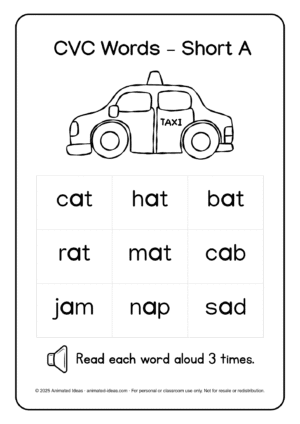
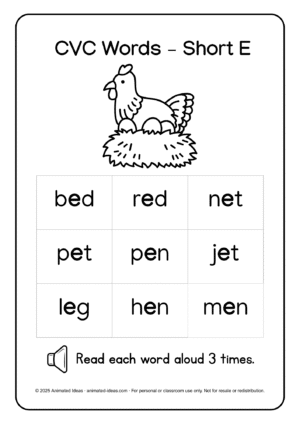
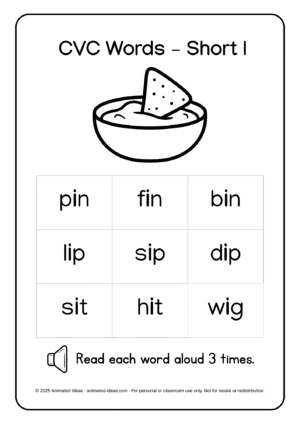
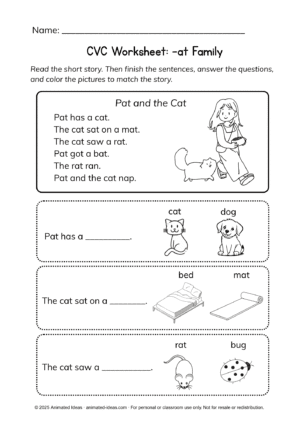
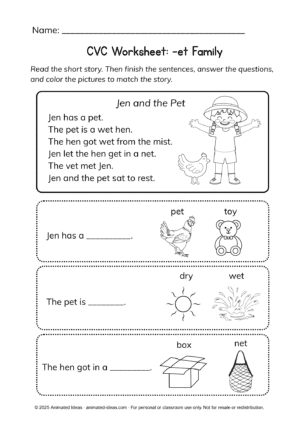
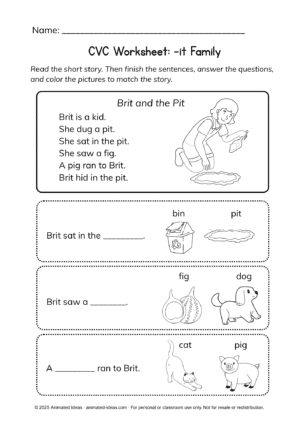
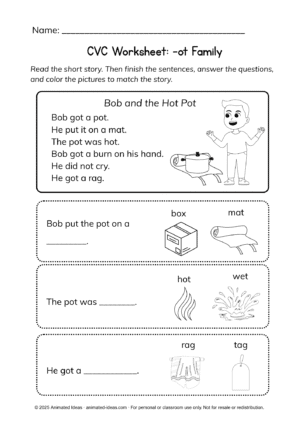
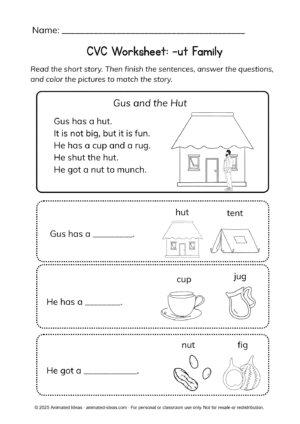
Practice with CVC word worksheets
Why Ending Sounds Are Important
Ending sounds help children become better readers. First, they improve listening skills. Next, they help children recognize patterns. Finally, they build spelling confidence.
For example, when a child knows the ending sound /t/, they can read:
- cat
- bat
- hat
This makes reading faster and easier. Therefore, practice is very important.
How Children Learn Ending Sounds
Children learn ending sounds step by step. First, they listen. Then, they repeat. After that, they practice reading.
Step 1: Listening to Sounds
Children listen to words carefully. They focus on the last sound.
Step 2: Saying the Sound
Next, they say the ending sound aloud. This helps memory.
Step 3: Matching Sounds
Then, they match sounds with letters.
Step 4: Reading Words
Finally, they read full words.
Thus, learning becomes easy and natural.
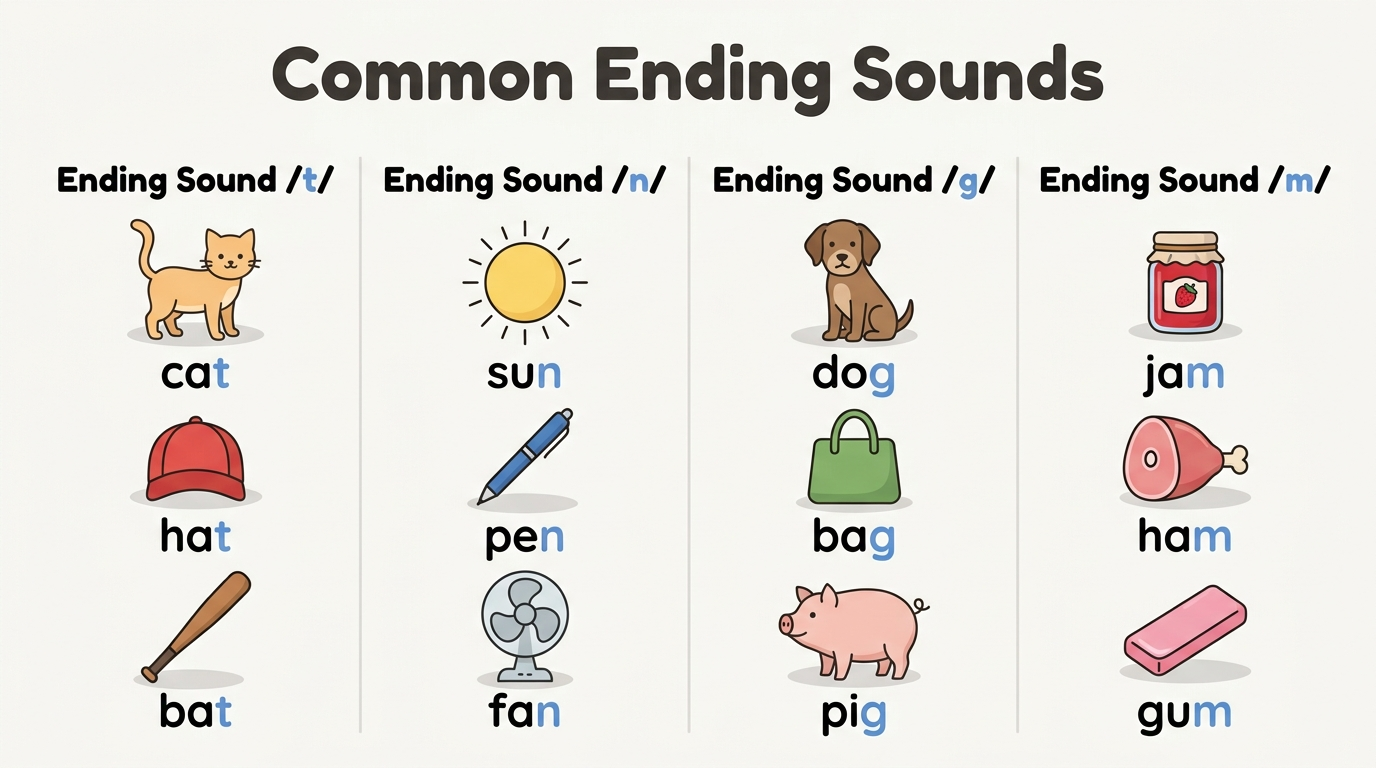
Common Ending Sounds for Grade 1
There are many ending sounds. However, beginners start with common ones.
Ending Sound /t/
- cat
- hat
- bat
Ending Sound /n/
- sun
- pen
- fan
Ending Sound /g/
- dog
- bag
- pig
Ending Sound /m/
- jam
- ham
- gum
Ending Sounds and Word Families
Word families help children see patterns. These are groups of words with the same ending.
Examples:
- -at family: cat, bat, hat
- -an family: fan, man, pan
- -ig family: pig, dig, big
Therefore, children learn faster. They do not memorize many words. Instead, they learn patterns.
Ending Sounds vs Beginning Sounds
It is important to understand the difference.
- Beginning sounds are at the start of a word.
- Ending sounds are at the end of a word.
For example: “cat” → beginning sound /c/, ending sound /t/
Thus, both are important for reading.
Why Are Ending Sounds Important?
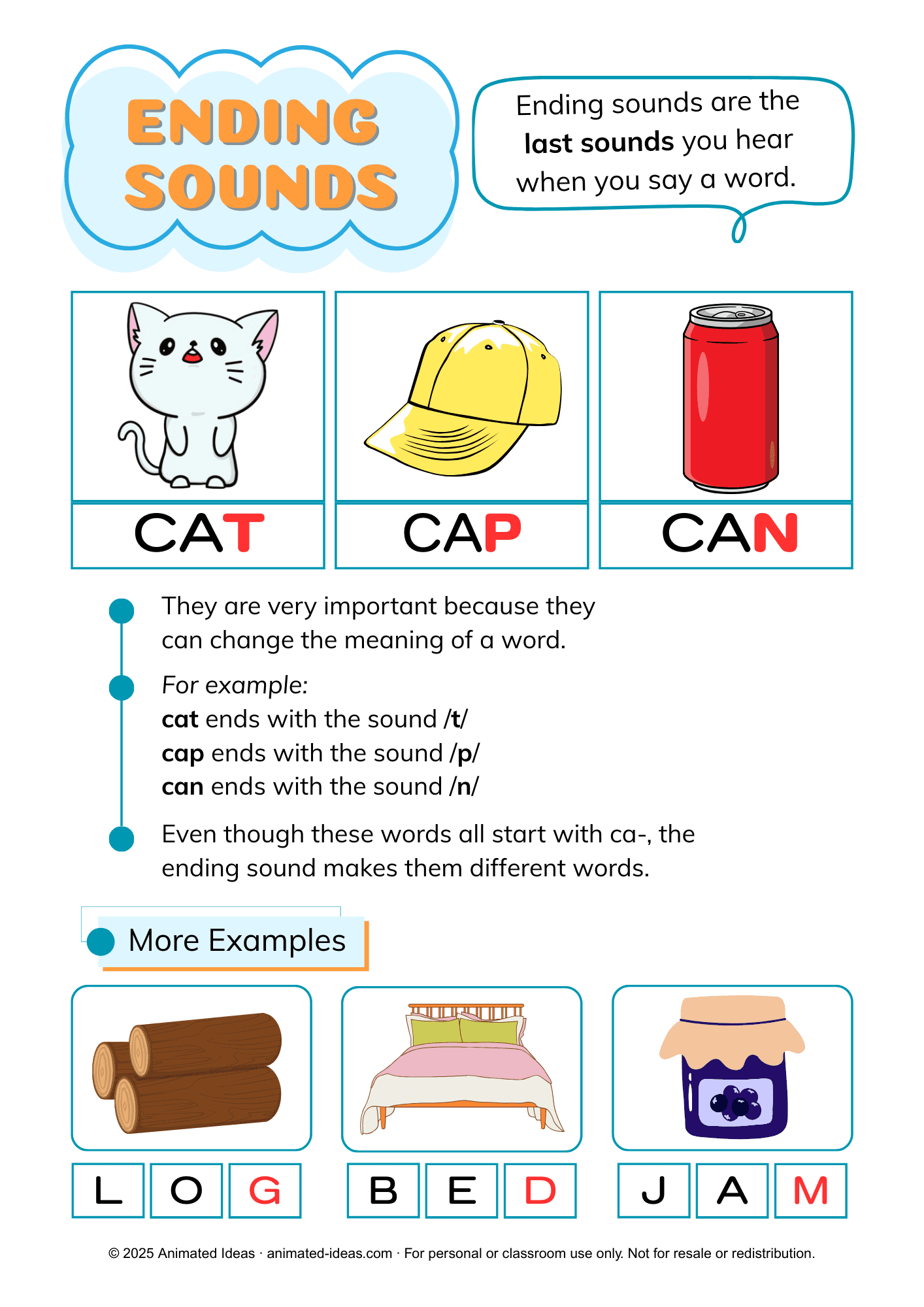
When children learn to read and write, ending sounds play a big role. The last sound in a word helps us know exactly which word we are saying or hearing. For example, cat and cap only differ in their ending sounds, but that small change gives each word a very different meaning.
1. They Help Us Hear the Difference Between Words
Ending sounds help children notice that words can sound almost the same but mean something else. Without listening carefully to the last sound, words like dog and dot might get mixed up.
2. They Build the Foundation for Spelling and Reading
Phonics begins with recognizing sounds. When children can hear and say the last sound in a word, they are more confident when spelling and blending words while reading. This skill also prepares them for writing simple sentences.
3. They Make Speech Clear and Easy to Understand
Clear ending sounds make communication better. If a child says ca instead of cat, the listener might not understand. By practicing ending sounds, children become better speakers and listeners.
Conclusion
Ending sounds are very important in learning to read. They help children understand how words end. Also, they improve reading and spelling skills.
Moreover, ending sounds worksheets grade 1 provide helpful practice. They make learning easy and clear. With regular practice, children become confident readers.
Therefore, start with simple words. Then, practice every day. In time, reading will become natural and enjoyable.