
Flammable Materials and Fire Safety
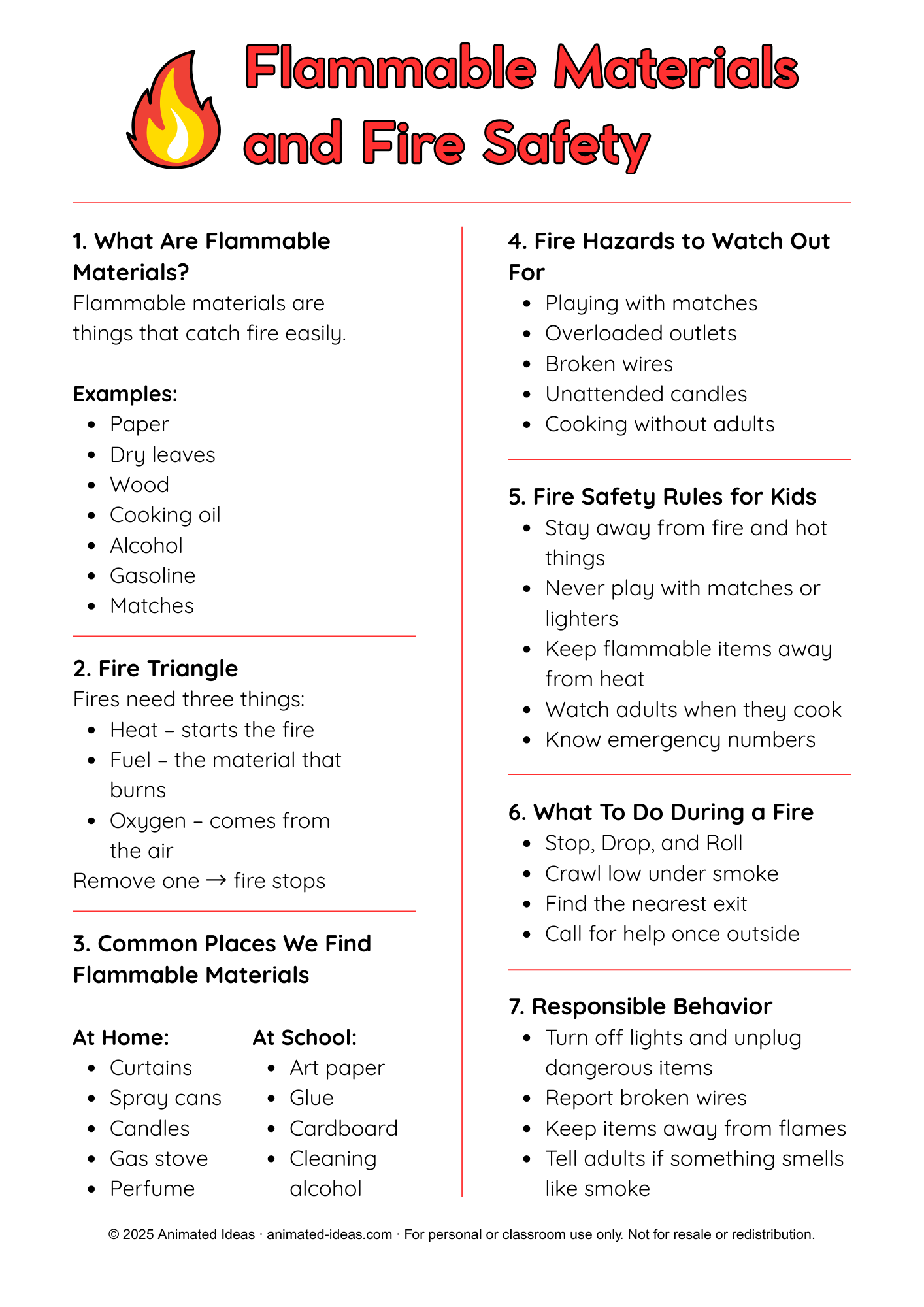
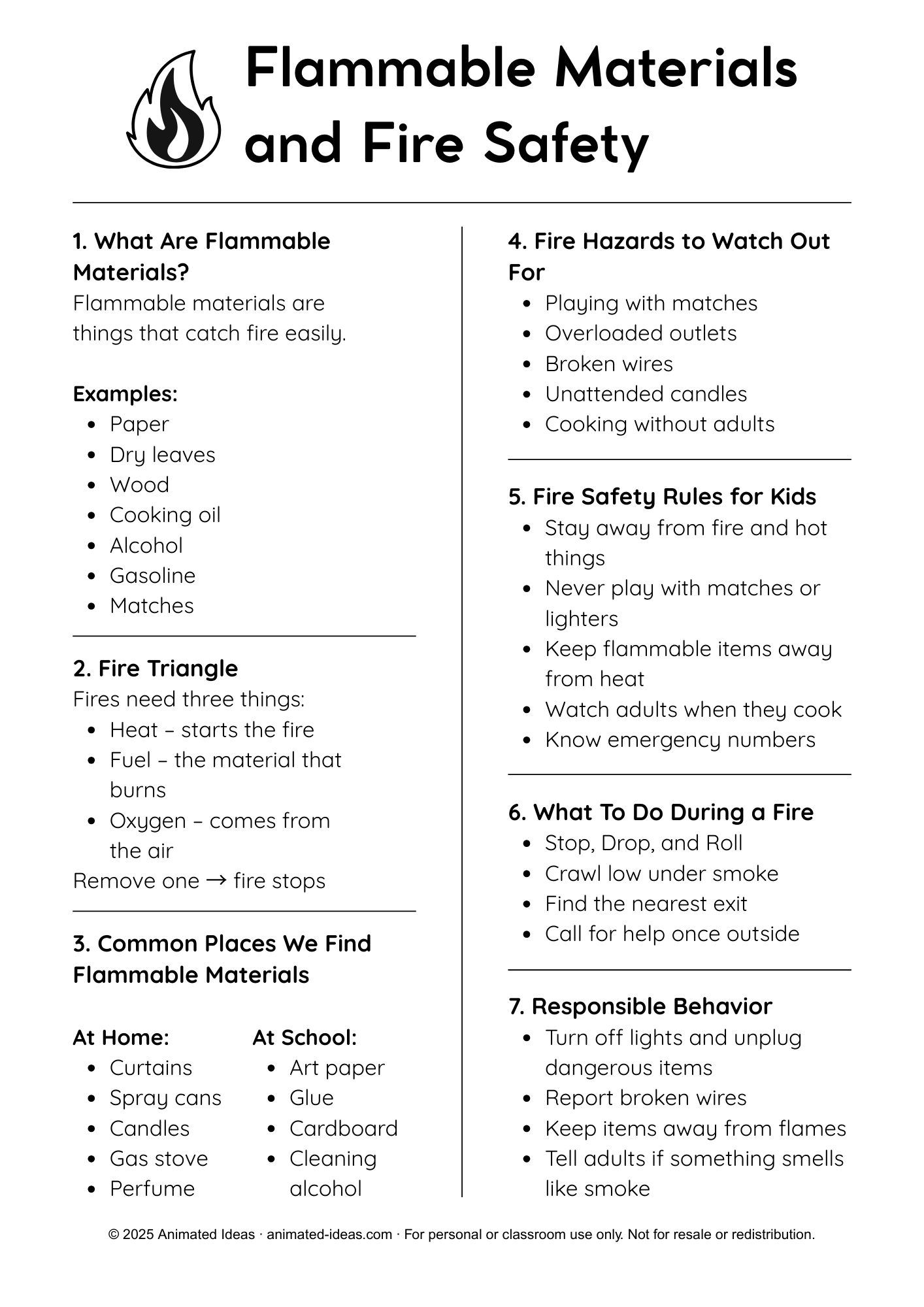
Flammable materials are things that can catch fire very easily. Learning about flammable materials and fire safety is very important for all students. Children need to know how to recognize items that are dangerous, such as paper, wood, gasoline, and cooking oil. They should also understand how to handle these materials safely. Knowing fire safety helps prevent accidents at home, school, and other places.
This lesson teaches children simple ways to stay safe. For example, they should never play with matches or lighters, keep flammable items away from heat, and always watch adults when cooking. By learning these safety rules, children can protect themselves and help others stay safe. Understanding flammable materials and fire safety is an important skill that can save lives.
What Are Flammable Materials?
Flammable materials burn very quickly. They can catch fire even with a small spark or a little heat. These items burn much faster than regular objects, which makes them more dangerous if not handled properly. Because of this, people must be very careful when using or storing flammable materials. They should keep them away from heat, open flames, and anything that might cause a fire.
Teaching kids about flammable materials helps them understand what to avoid and how to stay safe at home and in school.
Download Free Worksheets and Notes

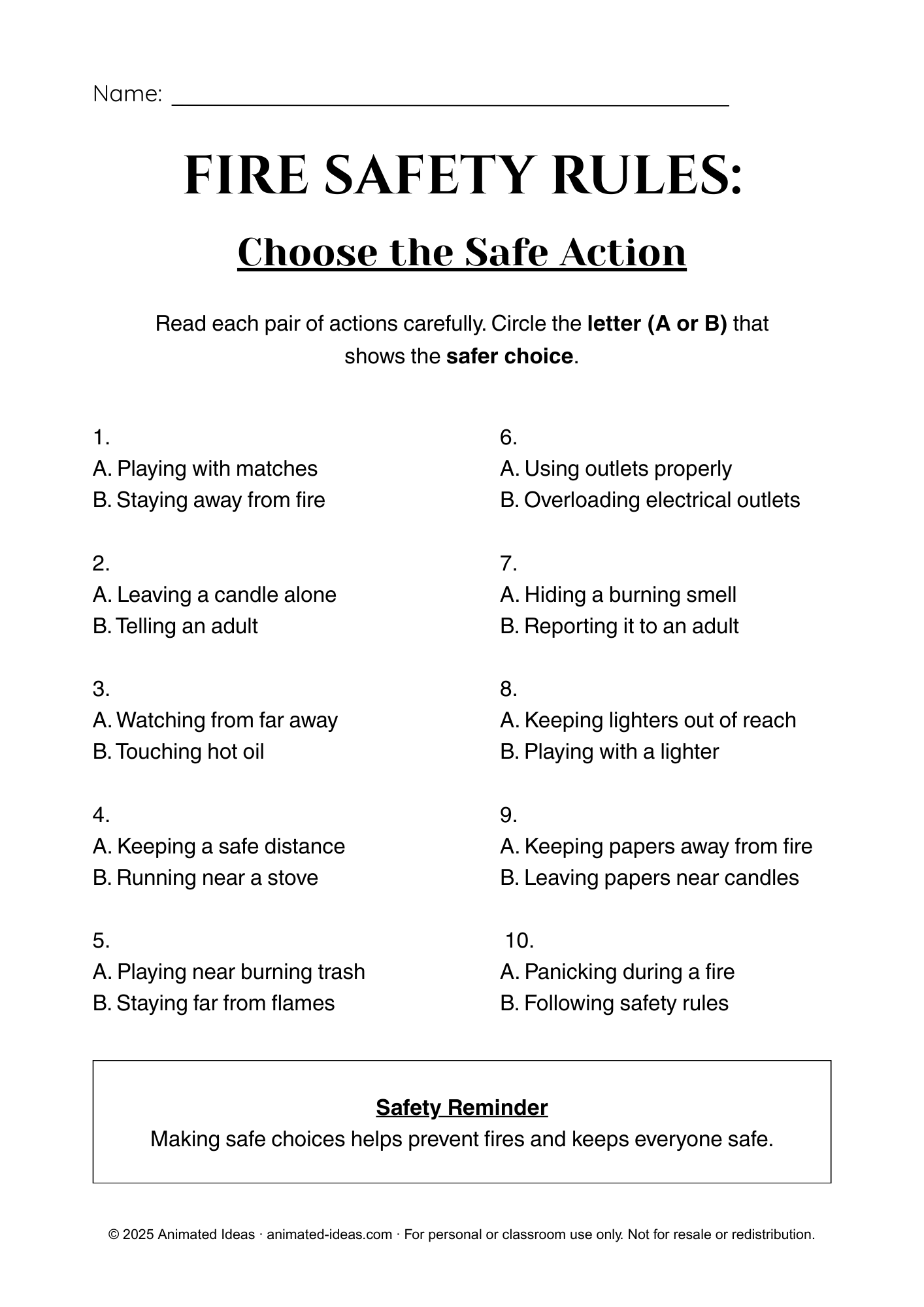
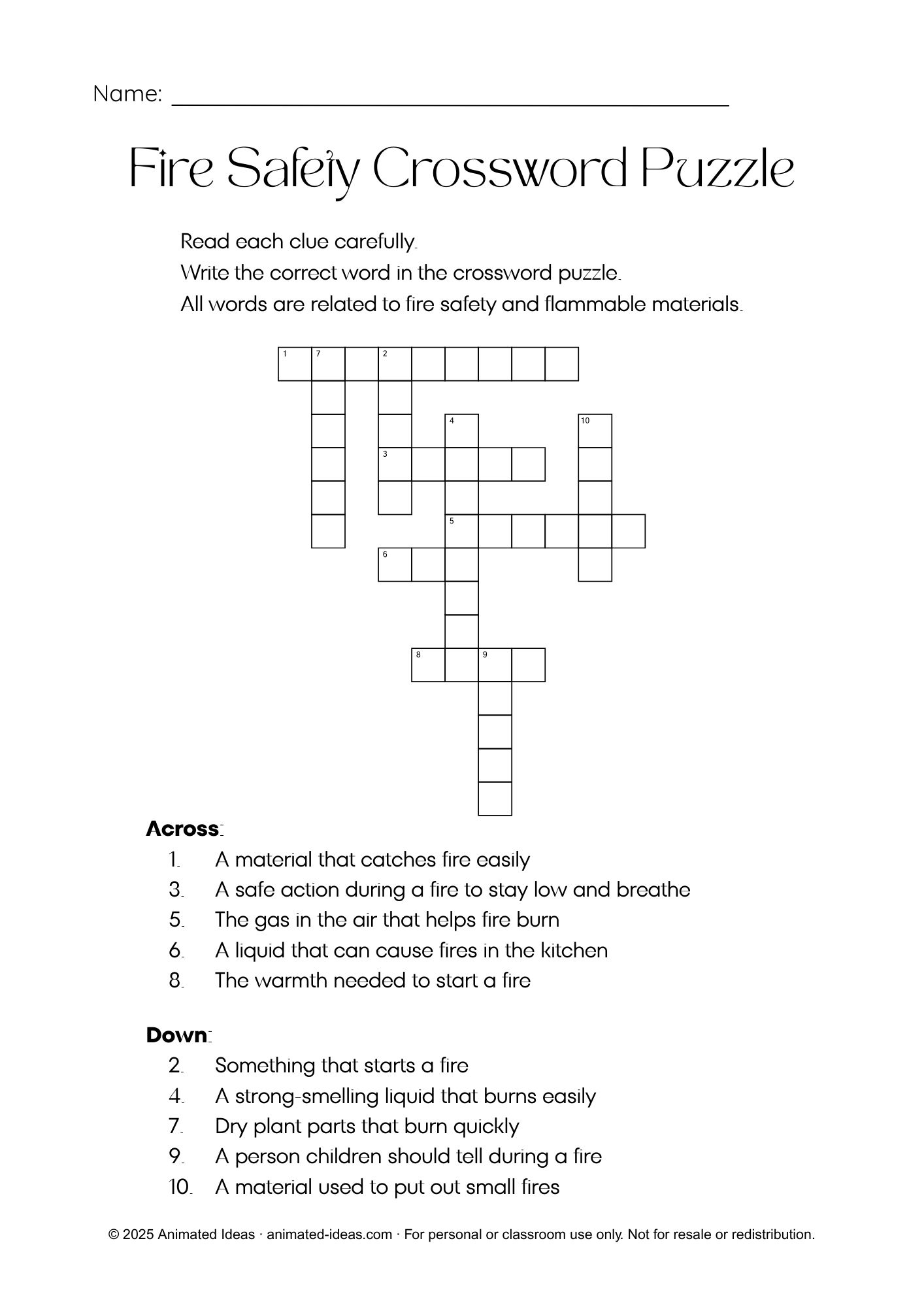
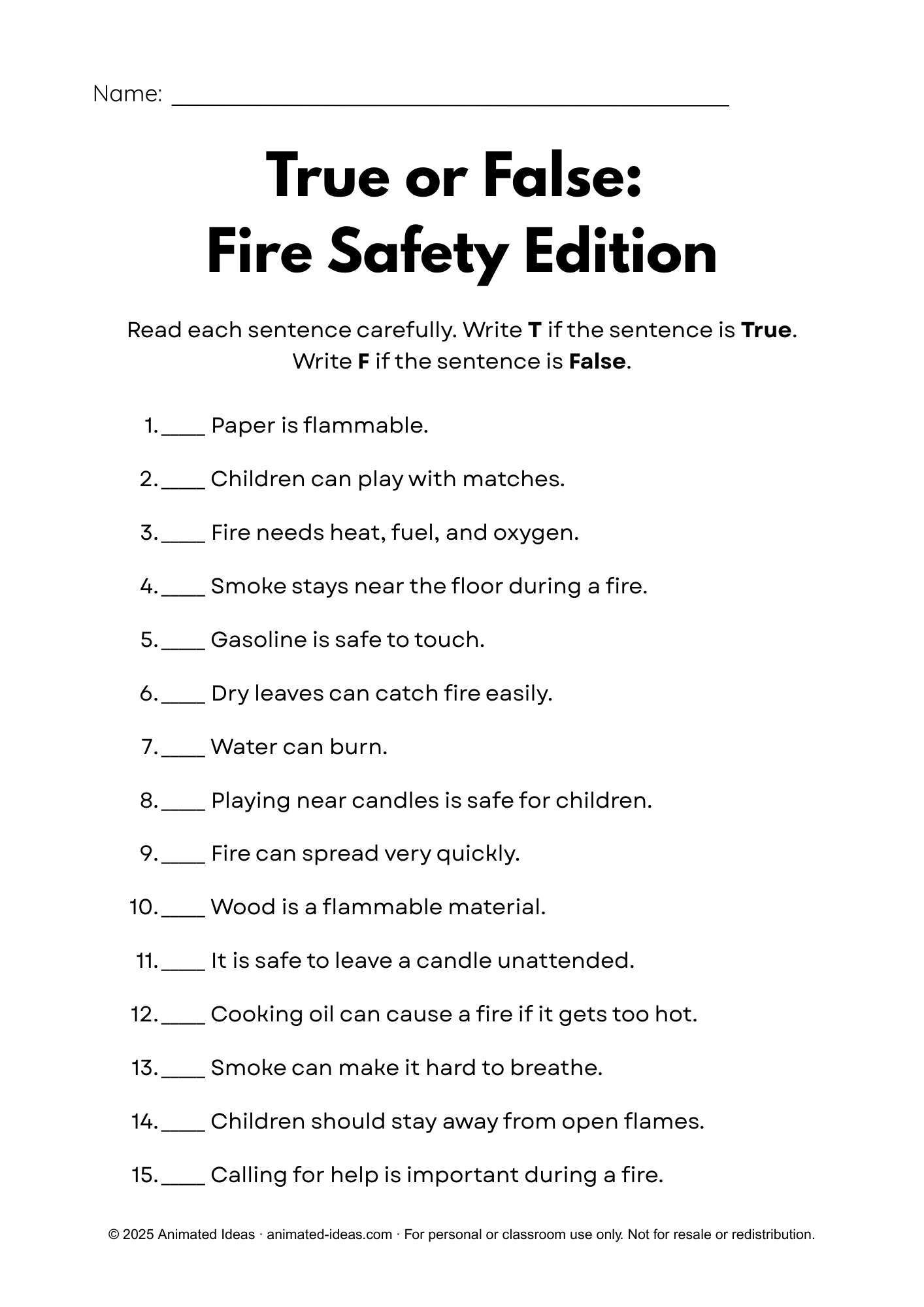
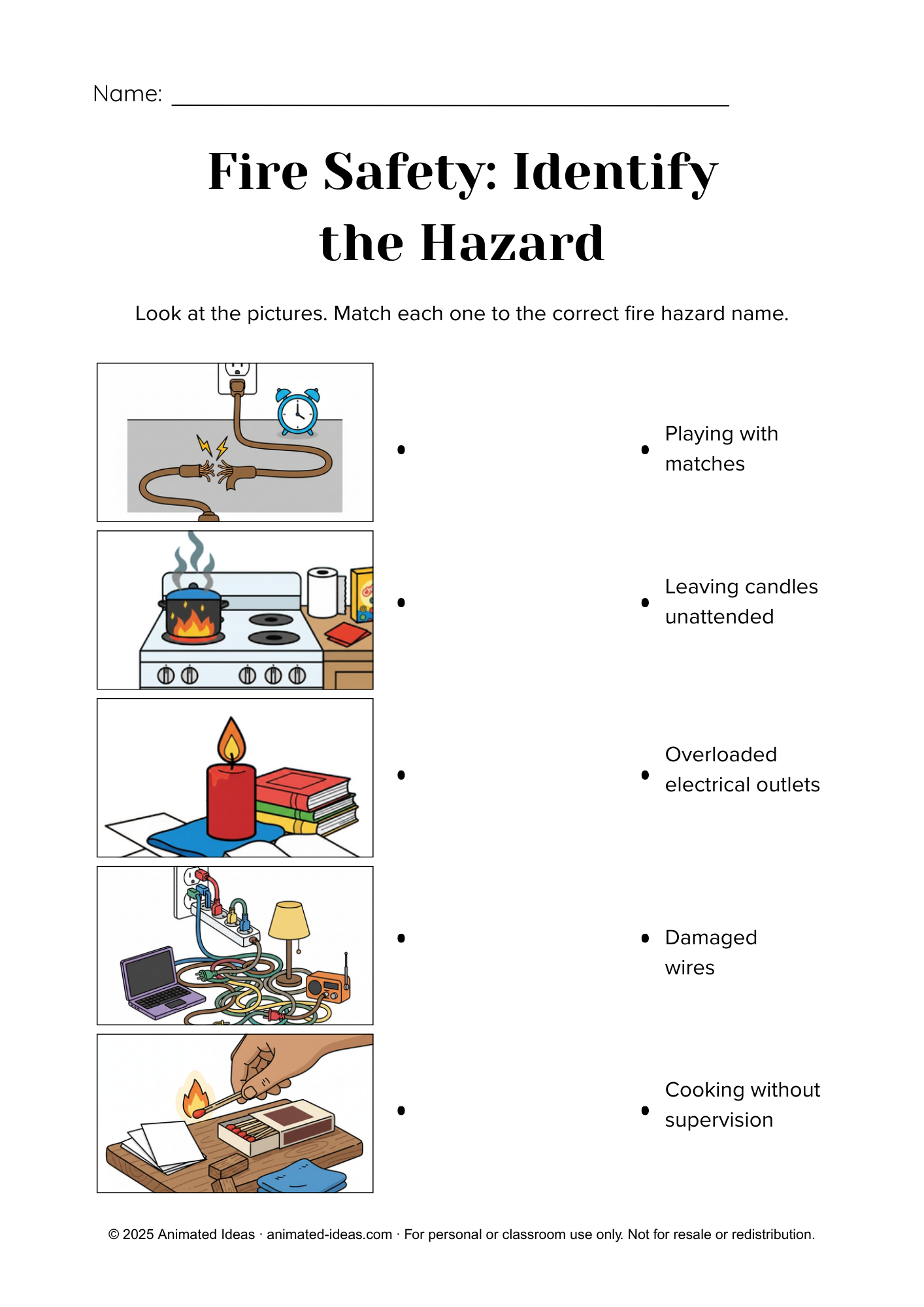
Properties of Flammable Materials
Flammable materials have special properties that make them dangerous when near fire. First, they burn very easily, even with a small flame or spark.
Second, once they start burning, they produce flames very fast.
Third, they can make a fire spread quickly from one place to another. Because of these properties, adults store flammable materials in safe places, away from heat, fire, and sunlight. This helps prevent accidents and keeps everyone safe.
Common Examples of Flammable Materials
Children often see flammable materials at home, school, or outside. It is important to know which items can catch fire quickly so they can stay safe. Here are some common examples explained simply:

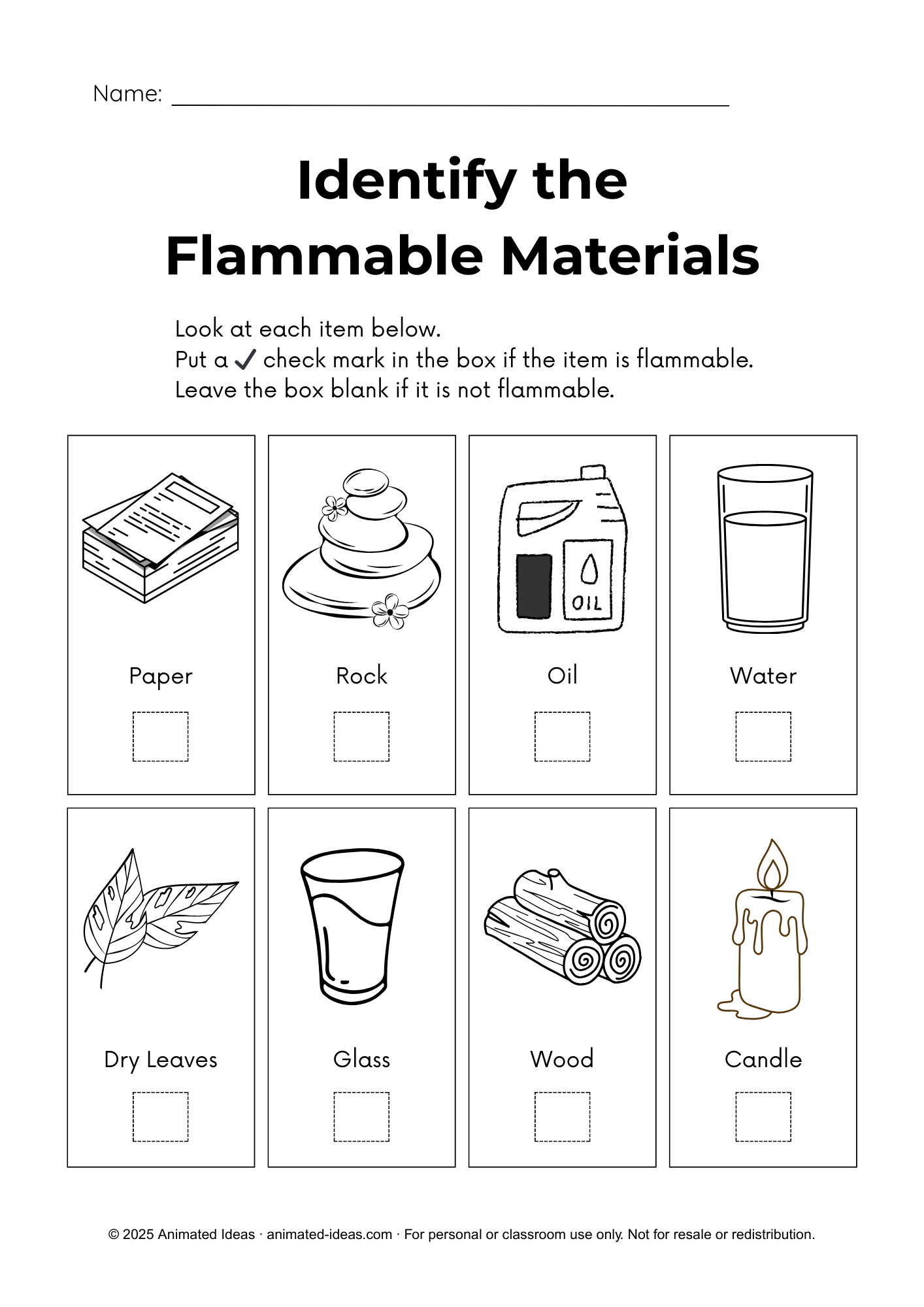
- Paper – Paper catches fire very easily. Even a small flame can make it burn fast. Books, newspapers, and cardboard are all flammable.
- Dry Leaves – Dry leaves burn faster than wet leaves. Fallen leaves in the yard can catch fire quickly on a hot, dry day.
- Gasoline – Gasoline is extremely dangerous. It can catch fire very easily, and even its vapors can ignite quickly. Always keep gasoline away from flames.
- Cooking Oil – Hot oil in the kitchen can start a fire. Grease fires are very fast and dangerous, so children must stay away from hot cooking oil.
- Alcohol – Alcohol, like rubbing alcohol or strong drinks, burns with a strong flame. Even a small spill can be risky near fire..
6. Wood – Dry wood burns faster than wet wood. Firewood, sticks, and kindling can start a fire quickly when dry.
7. Matches – Matches can start a flame with just one strike. Children should never play with matches or lighters.
By learning these examples, children can recognize dangerous materials and understand why it’s important to be careful. Visual aids and simple explanations help them remember these safety rules better.
Why Do These Materials Burn Easily?
These materials burn easily because they have low ignition points. This means they only need a small amount of heat or a tiny spark to start burning. Unlike other objects that take longer to catch fire, flammable materials react very quickly when they are near heat.
Some flammable materials also release vapors, or gases, that burn even faster than the solid or liquid itself. Gasoline is a good example. The liquid gasoline is dangerous, but the vapor that rises from it can catch fire almost instantly. This makes gasoline and similar materials extra risky if not handled properly.
Because certain materials ignite so quickly, people must store and use them safely. Understanding why they burn easily helps children learn how to avoid dangerous situations and stay safe around fire.
The Science Behind Burning
Burning is called combustion. Combustion happens when three important things are present: heat, oxygen, and fuel.
- Fuel is the material that burns, such as paper, wood, or cooking oil.
- Oxygen comes from the air and helps the fire grow bigger.
- Heat is what starts the burning. Even a small spark can provide enough heat to begin combustion.
These three elements together form what is called the Fire Triangle. It helps children understand why fires start and how they can be prevented.
The Fire Triangle
The Fire Triangle shows that fire only exists when heat, fuel, and oxygen are all present. If even one part is missing, the fire cannot continue. This simple idea makes it easier for children to understand fire safety.
Elements of the Fire Triangle
- Heat – Heat is needed to start the burning. Without heat, there can be no fire.
- Fuel – Fuel is the material that burns. Removing fuel stops the fire immediately.
- Oxygen – Oxygen from the air helps the fire grow. If oxygen is limited, the fire becomes weak or dies.
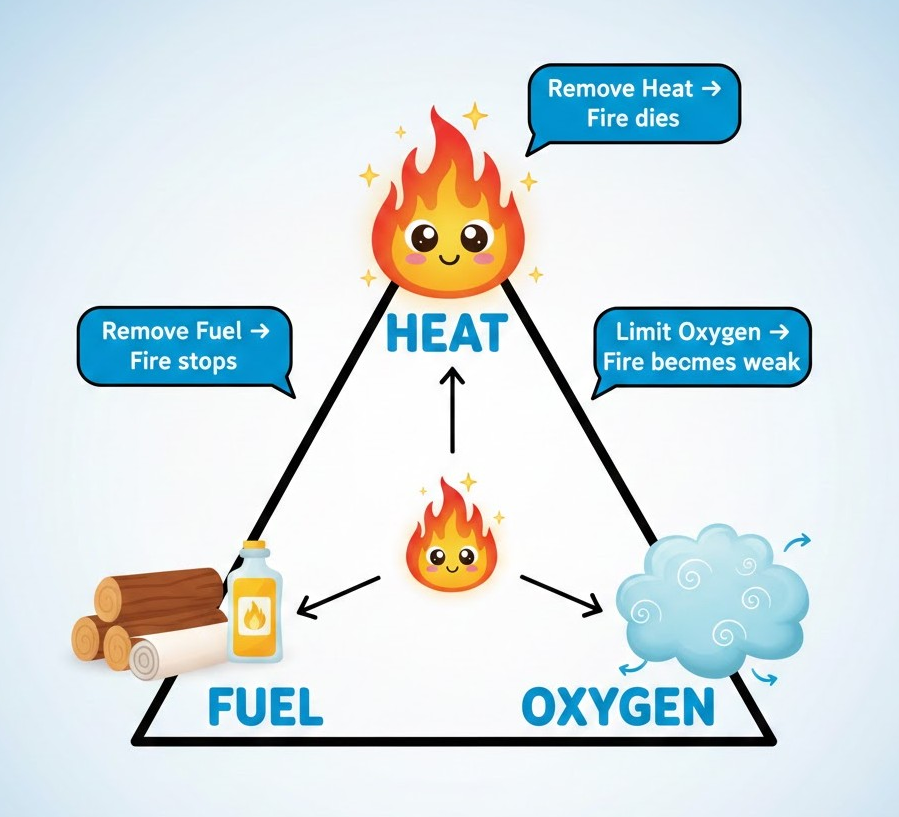
By learning about the Fire Triangle, children can understand how fires work and why they are dangerous. They also learn ways to prevent fires. For example, keeping flammable materials away from heat, never playing with matches or lighters, and ensuring proper ventilation can all help reduce the risk of fire.
Understanding combustion and the Fire Triangle is a fun and important part of fire safety education. It teaches children to think about what makes fire possible and how simple actions can prevent accidents. Visual guides, colorful illustrations, and real-life examples can make this lesson easy to remember and practical for everyday life.
Where Do We Find Flammable Materials?
Flammable materials are everywhere. Because of this, children must be aware of their surroundings.
At Home
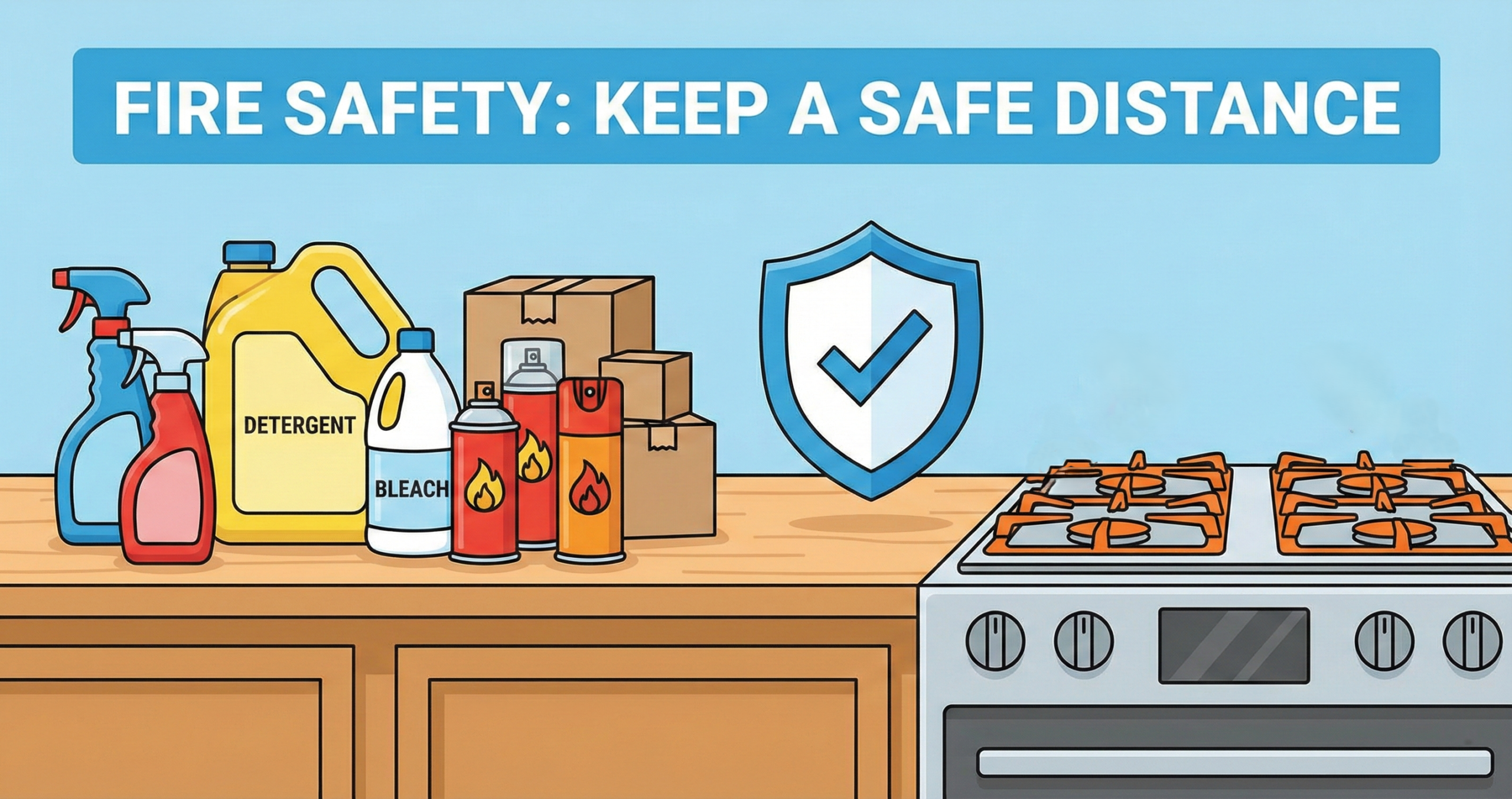
Homes contain many flammable items. These include:
- Curtains
- Paper towels
- Spray cans
- Perfume
- Gas stoves
- Candles
Families must store these items safely. They must also keep them away from open flames.
At School
Schools also have flammable items. These include:
- Art paper
- Glue
- Cardboard
- Bulletin board materials
- Alcohol for cleaning
Teachers keep these items in safe storage areas. Students must not play with them.
Recognizing Fire Hazards: A Guide to Flammable Materials and Fire Safety
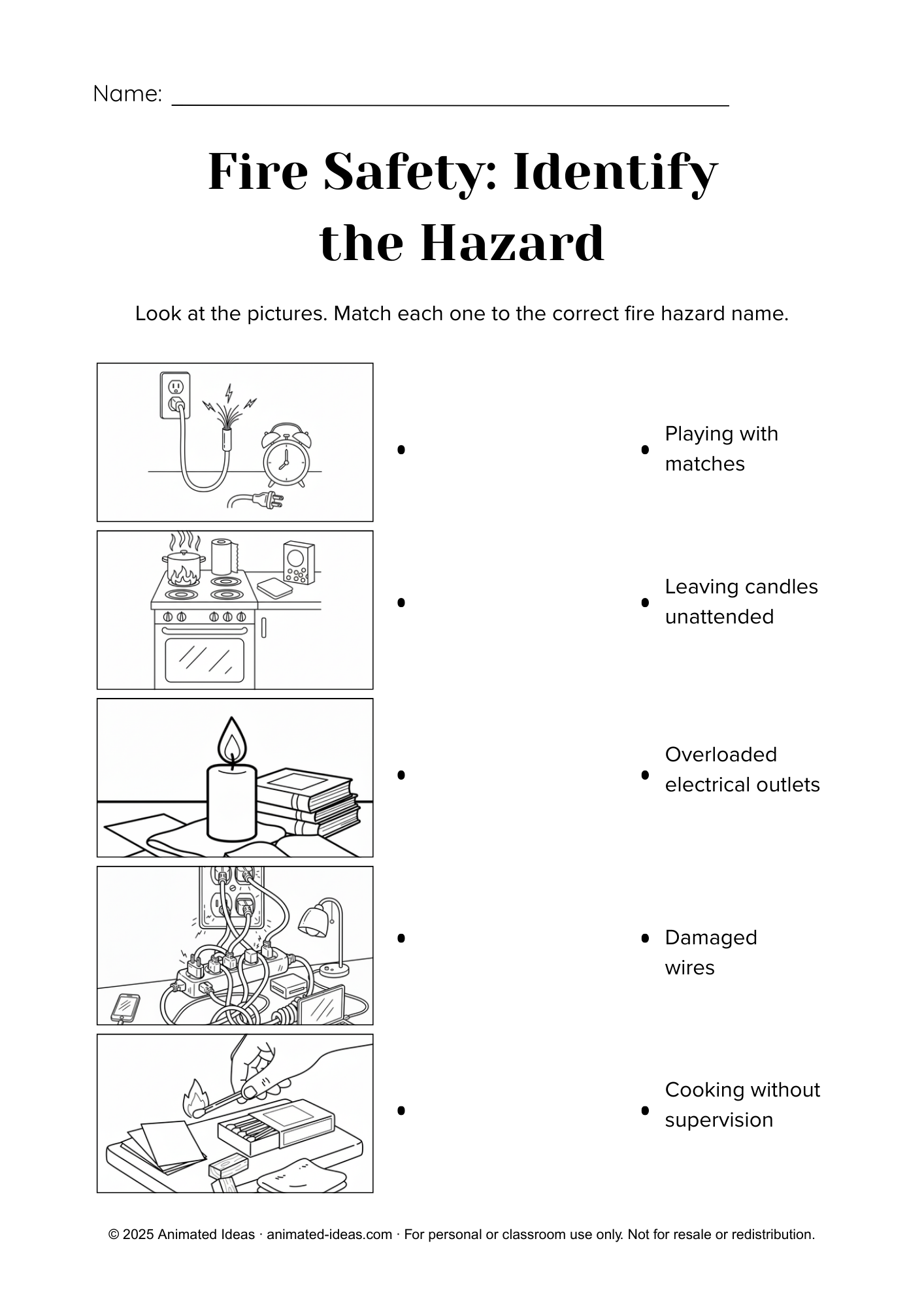
Fire hazards are dangerous situations that may start fires. Students must learn to notice hazards early. Early recognition prevents accidents.
Common Fire Hazards
Some common hazards include:
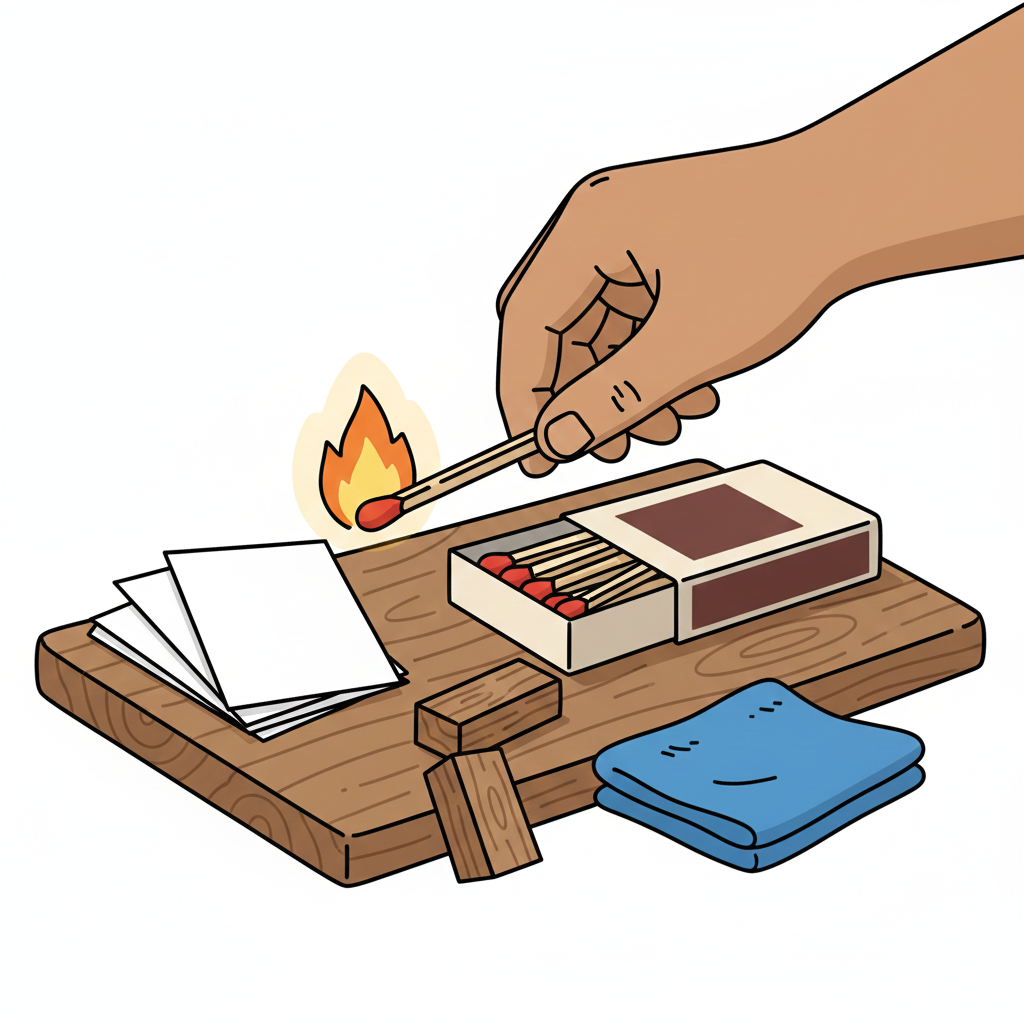
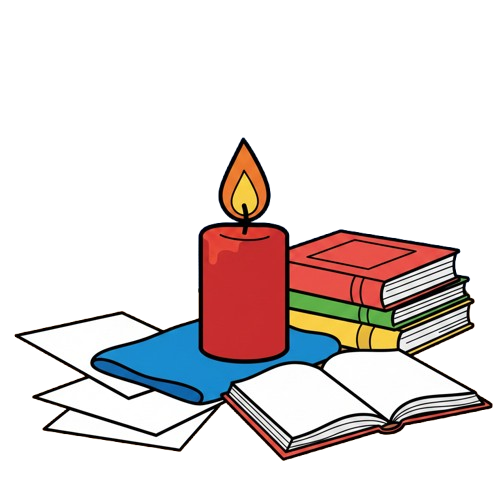
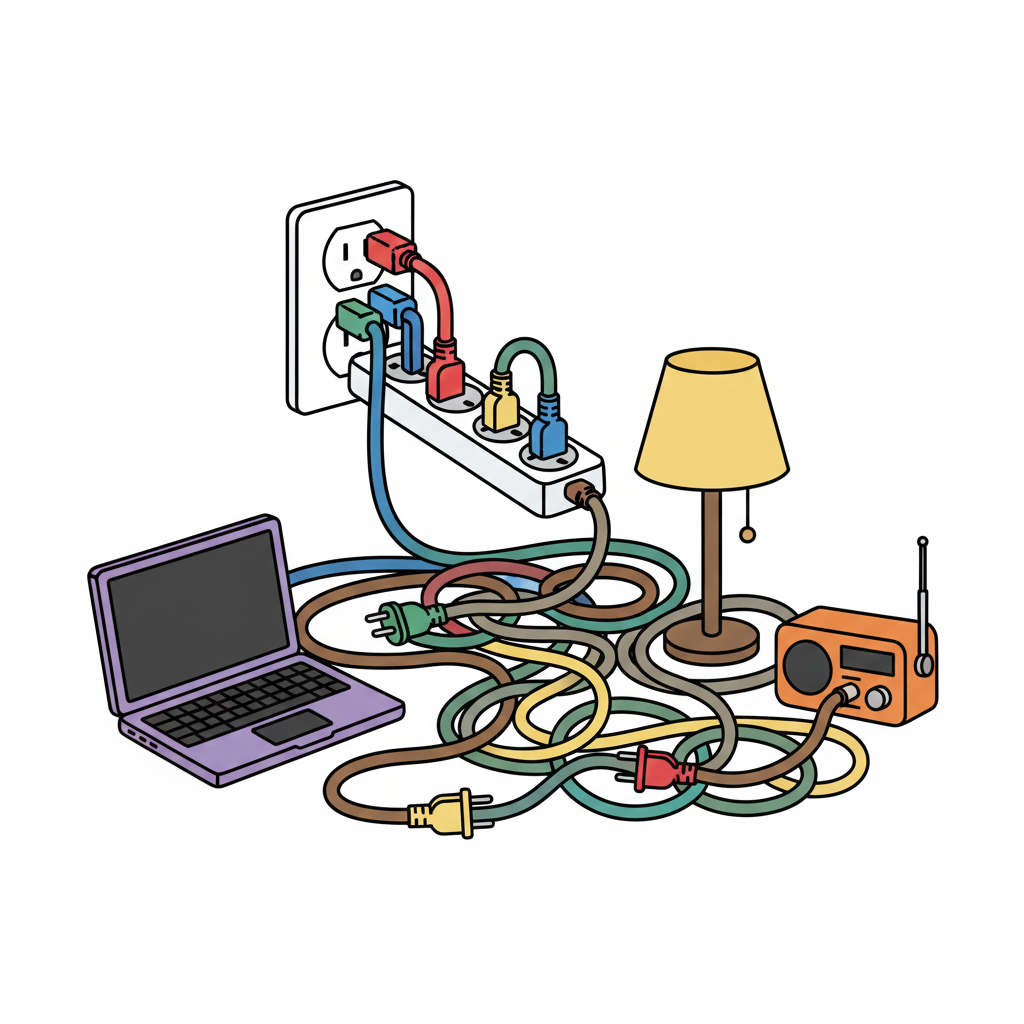

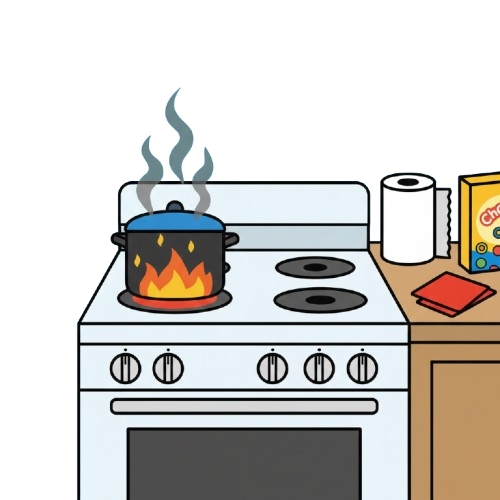
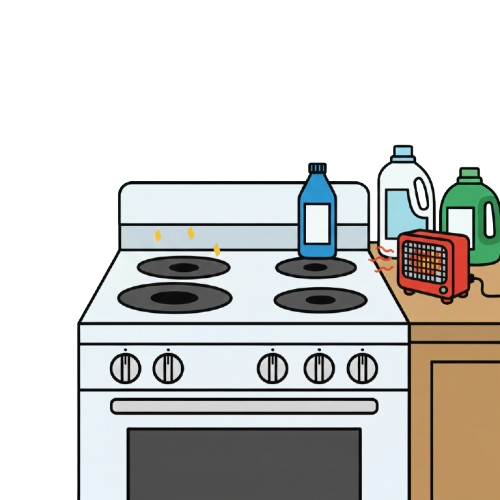
Because these hazards are risky, adults must fix them immediately.
The Importance of Fire Safety Precautions in Handling Flammable Materials
Fire safety precautions protect people. They also help prevent accidents. Students must learn these rules early. They must follow them at all times.
Basic Fire Safety Rules for Children
Here are simple safety rules:
1. Stay Away from Fire
Children should stay away from candles and stoves. Even a small spark can be dangerous.
2. Do Not Play with Flammable Items
Matches, lighters, and candles are not toys. Children must never use them without adults.
3. Keep Flammable Materials Away from Heat
Paper, cloth, and dry leaves should not be near fire. They catch fire easily.
4. Watch Adults When They Cook
Cooking fires start quickly. Kids must stay far from hot oil or boiling water.
5. Learn Emergency Numbers
Students must memorize emergency hotlines. This helps during accidents.
Why Responsible Behavior Matters in Flammable Materials and Fire Safety
Responsible behavior saves lives. Children must think before they act. Even small mistakes can lead to fires.
Examples of Responsible Behavior
- Turning off lights when leaving a room
- Closing gas stoves tightly
- Keeping school bags away from candles
- Reporting broken wires to teachers
- Informing adults about strange burning smells
What Happens When People Are Not Careful?
When people are careless, fires spread quickly. Fires can damage homes, hurt people, and can destroy forests. Therefore, everyone must act responsibly.
How to Stay Safe During a Fire
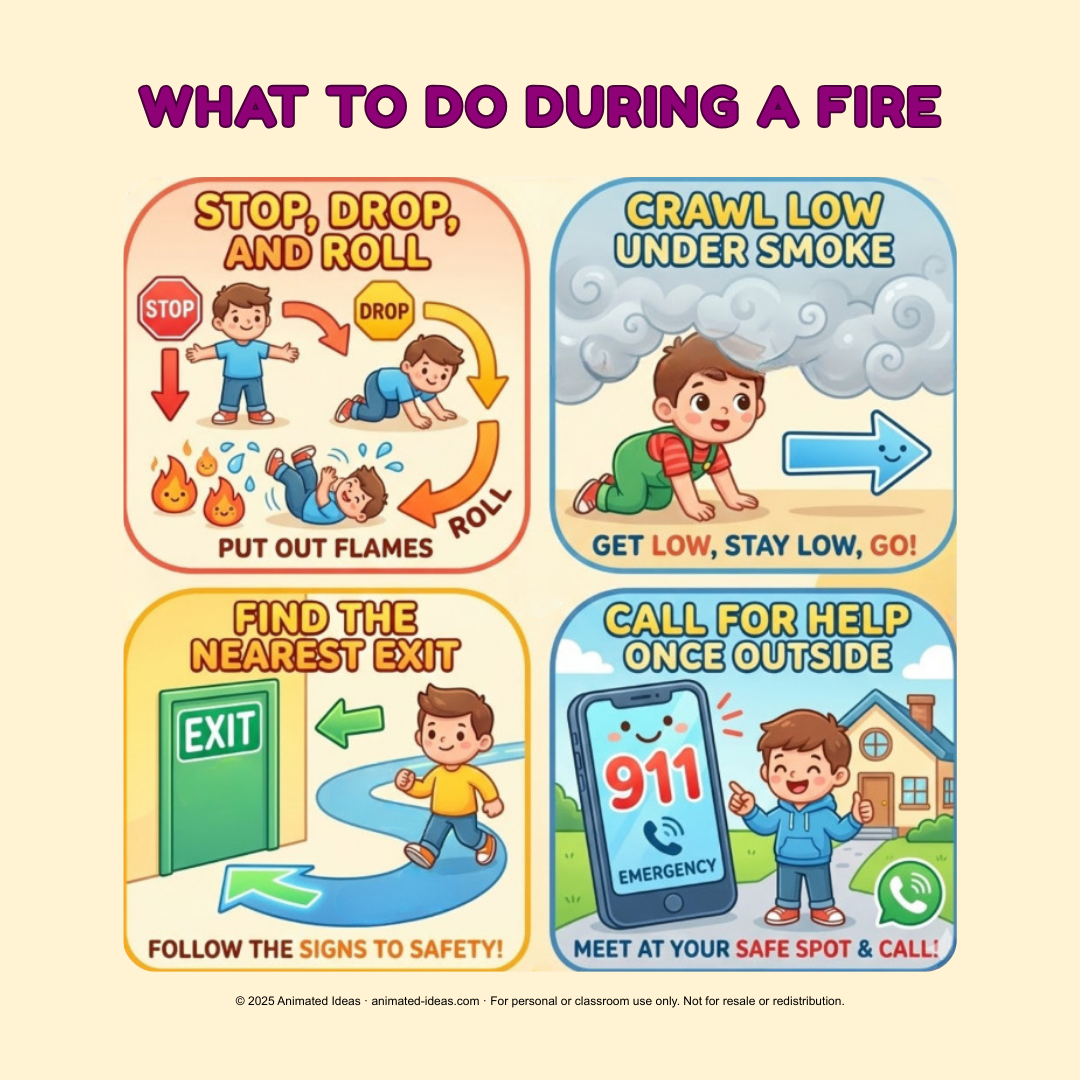
Although prevention is important, children must also know what to do during a fire.
Stop, Drop, and Roll
If clothes catch fire, students must stop running. Then they should drop to the ground. Finally, they must roll to put out the flames.
Crawl Under Smoke
Smoke rises. Children should crawl low to breathe clean air.
Find the Nearest Exit
Children must leave the building quickly. They must not return for objects.
Call for Help
Once outside, students should call emergency hotlines.
Safe Storage of Flammable Materials to Reduce Fire Hazards
Storage is important. Proper storage prevents fires.
Safe Storage Rules
- Keep flammable liquids in closed containers.
- Store in cool places.
- Keep away from sunlight.
- Place materials out of children’s reach.
- Label containers correctly.
Conclusion
Flammable materials are part of daily life. Because they are everywhere, people must learn to use them safely. Children must stay alert. They must handle materials wisely. And they must follow all fire safety rules.
Therefore, learning about flammable materials and fire safety helps protect everyone. Responsible actions prevent fires. Safe habits save lives. When children know these ideas, they become safer and more responsible members of their homes and communities.