
Opposites for Kids
Understanding opposites for kids is an essential early learning skill. Opposites are words that have completely different meanings. Learning opposites helps children compare objects, ideas, and emotions.
For example, the word hot is the opposite of cold. Similarly, big is the opposite of small. Children encounter opposites in everyday life — from describing objects to expressing feelings.
By learning opposites, young learners can:
- Expand vocabulary.
- Improve reading comprehension.
- Enhance writing skills.
- Develop critical thinking.
For instance, if a child knows that day is the opposite of night, they can describe routines more clearly.
What Are Opposites?
Opposites are words that express contrasting meanings. They often describe:
- Size: big ↔ small
- Temperature: hot ↔ cold
- Speed: fast ↔ slow
- Quantity: full ↔ empty
- Position or state: open ↔ closed
When children learn opposites, they understand differences and comparisons. This skill is vital for language development.
Example Sentences for Children:
- “The elephant is big, but the mouse is small.”
- “The soup is hot, but the ice cream is cold.”
- “The rabbit runs fast, but the turtle moves slow.”

Types of Opposites for Kids
Opposites can be grouped into several categories for easier understanding:
1. Opposites of Size
- Big ↔ Small – Refers to objects’ dimensions.
- Tall ↔ Short – Refers to height.
- Long ↔ Short – Refers to length.


Size opposites help children understand how big or small something is. These words appear in stories, classroom objects, and even in everyday situations. Children need to know size opposites because they use them when comparing toys, animals, or items around them.
For example, big vs. small helps children compare objects like a big ball and a small ball.
Other examples include long vs. short, which helps them compare pencils, strings, or even hair length.
Because young learners easily see size differences, teaching this type of opposite builds early observation skills.
2. Opposites of Temperature
- Hot ↔ Cold – Refers to heat levels.
- Warm ↔ Cool – Slight differences in temperature.

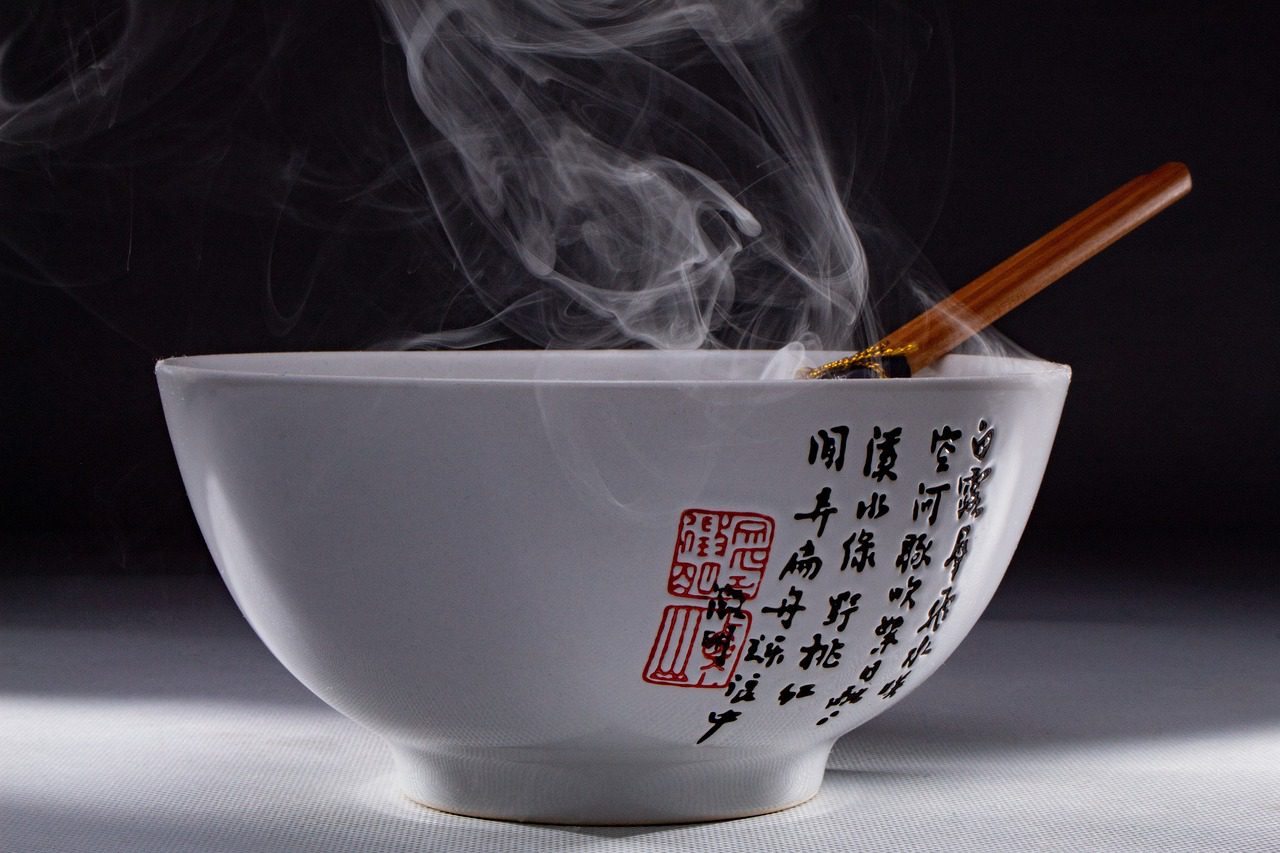
Temperature opposites help children understand the difference between warm and cold things. These opposites are important because children feel temperature daily. When they drink warm milk or touch cold water, they learn how temperature changes.
Words like hot vs. cold help them describe weather, food, and objects.
Children also learn warm vs. cool, which are softer temperature opposites. These pairs help them use more specific language as they grow.
3. Opposites of Speed or Motion
- Fast ↔ Slow – Describes how quickly something moves.
- Stop ↔ Go – Basic action opposites children encounter in games or traffic.
Speed opposites help children notice how fast or slow something moves. These opposites often appear in games, playground activities, and storybooks.
Words like fast vs. slow help children compare movement. They can see a fast car and a slow turtle.
Children also enjoy motion examples, such as a running dog versus a walking dog. Because the difference is clear, this type of opposite strengthens early science and movement awareness.
4. Opposites of Quantity or Fullness
- Full ↔ Empty – Refers to containers or spaces.
- Many ↔ Few – Refers to number of items.


Quantity opposites help children understand amounts. These words appear in math lessons, reading texts, and daily routines.
Basic pairs include full vs. empty, which children recognize when looking at bottles, bags, or bowls.
They also learn many vs. few, helping them count objects such as toys or crayons.
Understanding quantity opposites strengthens early math skills and supports logical thinking.
5. Opposites of Position or State
- Open ↔ Closed – Doors, books, or boxes.
- Up ↔ Down – Directions children recognize in daily life.
- In ↔ Out – Spatial concepts, such as going in or out of a room.
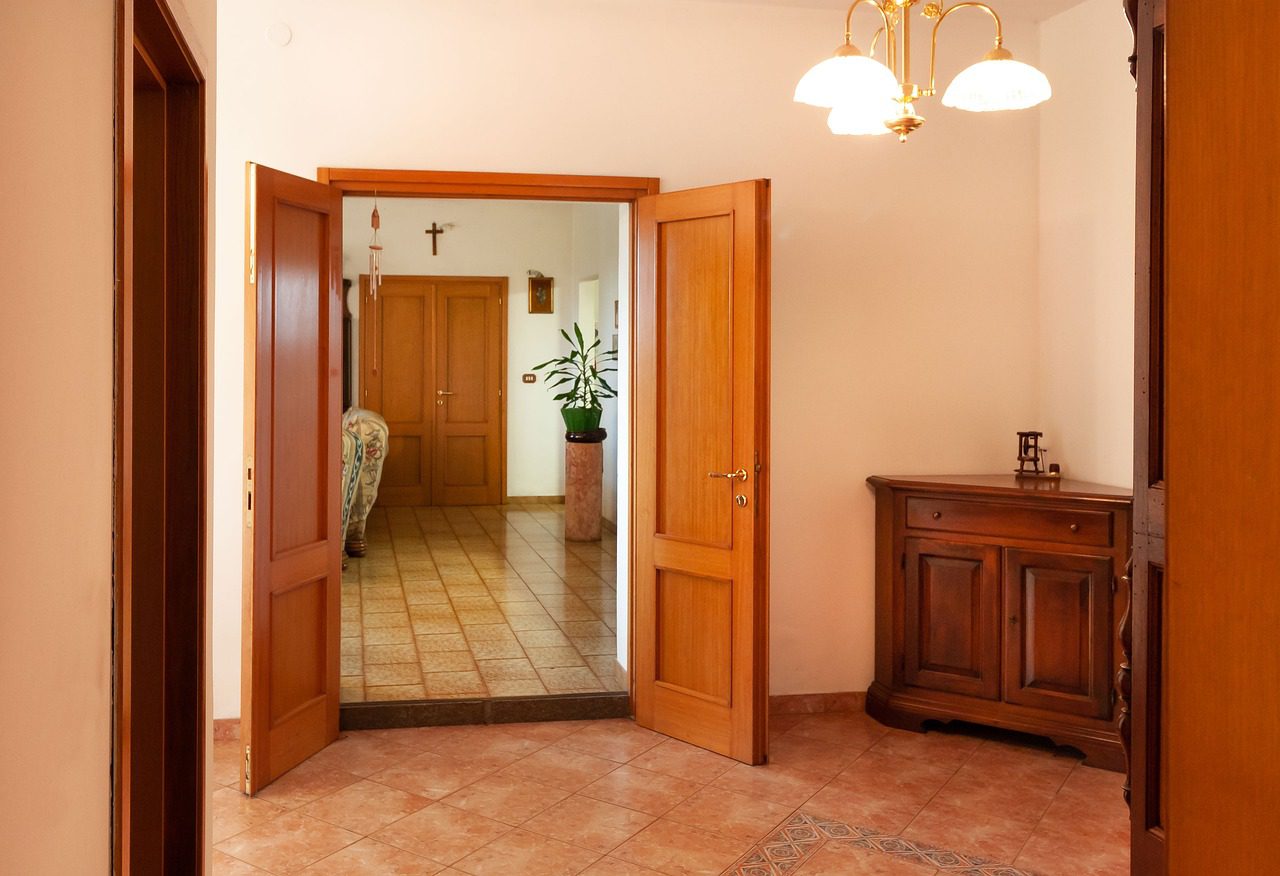

Position opposites help children understand where things are. These words appear in classroom directions, reading lessons, and everyday speech.
Important pairs include up vs. down, in vs. out, and over vs. under.
These opposites help children follow classroom instructions. When a teacher says, “Sit down,” or “Stand up,” children respond correctly because they understand position words.
6. Opposites of Time or Events
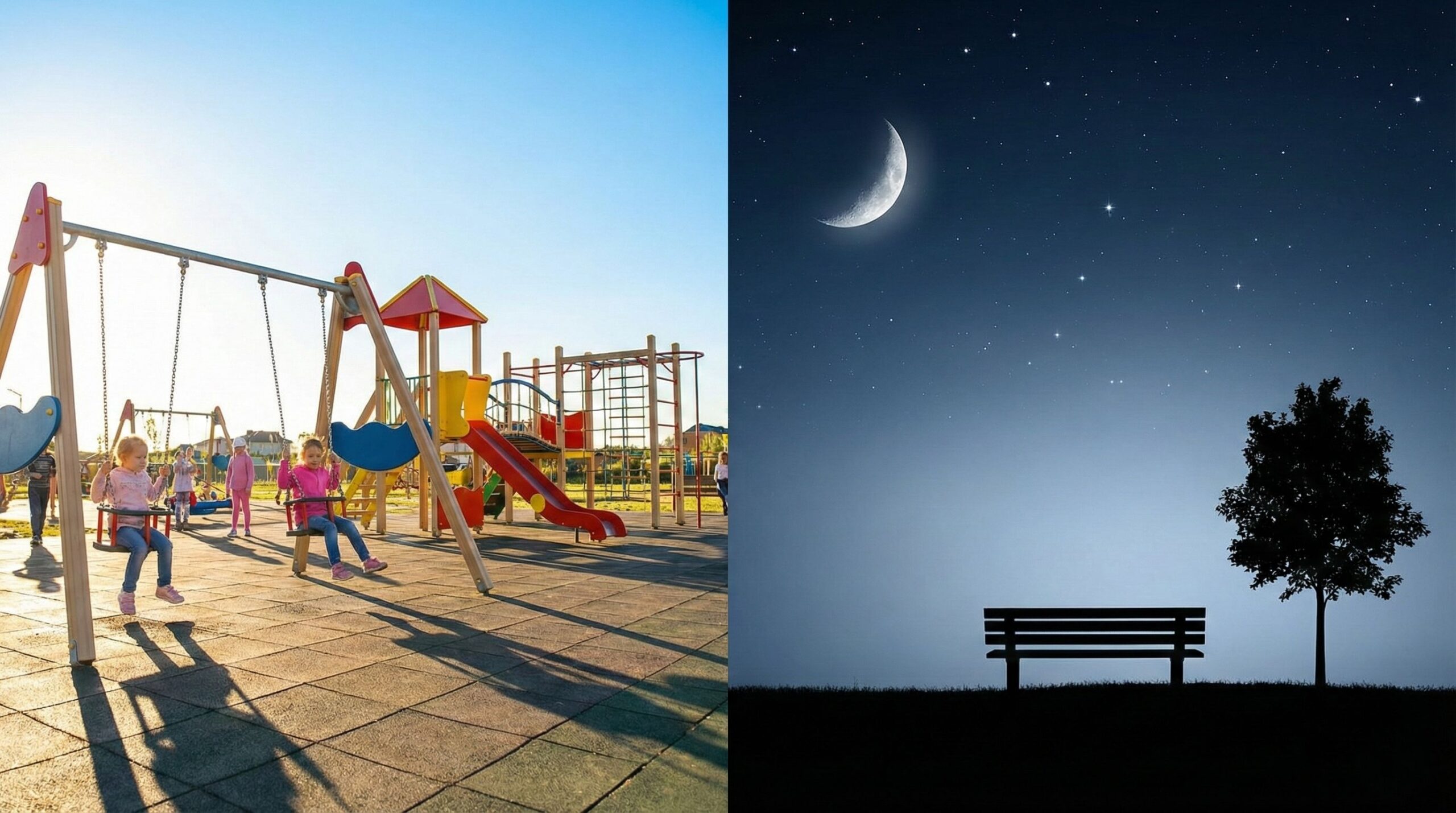
- Day ↔ Night – Natural cycle of time.
- Morning ↔ Evening – Part of daily routine.


Time or event opposites help children understand when things happen. These words appear in stories, routines, schedules, and classroom instructions.
Common pairs include before vs. after, early vs. late, and day vs. night.
These opposites help children follow the correct order of actions. When kids understand time opposites, they can clearly describe when something happens and what comes first or next.
7. Opposites of Emotions or Feelings
- Happy ↔ Sad
- Excited ↔ Bored
- Brave ↔ Scared


Emotion opposites help children understand what people feel. This builds emotional intelligence.
Words like happy vs. sad help children explain their own feelings.
When children can say, “I feel sad,” or “I feel happy,” they communicate more clearly.
Other emotion opposites include angry vs. calm, brave vs. scared, or excited vs. bored.
Learning these opposites helps children express needs and understand others.
Why Learning Opposites for Kids Is Important
1. Vocabulary Expansion
Children learn multiple words for similar concepts. Understanding opposites doubles their vocabulary.
2. Reading Comprehension
Opposites for kids help them understand context. For example: “The sun is hot, but the ice is cold.” Knowing opposites clarifies meaning.
3. Writing Skills
Using opposites in sentences encourages creative writing:
- “The tree is tall, but the flower is short.”
- “The room is empty, but the box is full.”
4. Critical Thinking
Comparing words develops reasoning. Children learn how things differ, which improves problem-solving and observation skills.
5. Everyday Life Applications
Opposites appear in daily conversations, stories, and instructions. Children use opposites to describe objects, actions, feelings, and routines.
Conclusion
Understanding Why Opposites Matter
Learning opposites is more than learning pairs of words. It helps children understand how meanings change. Young learners start to see how words connect to real ideas. Because of this, opposites support vocabulary growth and comprehension.
When children know opposites, they compare objects with confidence. They describe things more clearly. They also learn to understand differences in the world. This builds strong thinking and language skills.
How Opposites Improve Communication
Opposites help children express their ideas in complete sentences. A child may say, “The cup is full,” but with practice, they might add, “The cup is full, but the bowl is empty.”
This ability to compare things makes their communication richer and clearer. Opposites also appear in books, stories, and daily conversations. Because of this, children who understand opposites read better, write better, and speak better.
Opposites and Emotional Development
Learning opposites for kids help them understand feelings. Words like happy and sad or brave and scared help them name emotions.
When children can express feelings, they communicate their needs more easily. This supports emotional growth. It also develops empathy. Children begin to notice how others feel. This makes social interactions kinder and easier.
The Role of Opposites in Everyday Life
Children encounter opposites in daily routines. They see morning and night, open and close doors and go up and down stairs.
These simple moments help them understand order and sequence. Because opposites appear everywhere, they help children make sense of the world.
Thank you for reading this lesson guide about opposites. For more learning resources, visit Animated Ideas. You can also check out our YouTube, Facebook, and Pinterest pages for worksheets, visuals, and teaching tools.
Download Your Free Opposites Worksheet for Kids
To help young learners practice this lesson, you may download a free opposites worksheet for kids from Animated Ideas. This printable worksheet gives children a simple and engaging way to strengthen their understanding of opposite words. It also supports early reading skills, vocabulary growth, and classroom readiness.